March 28 – 30
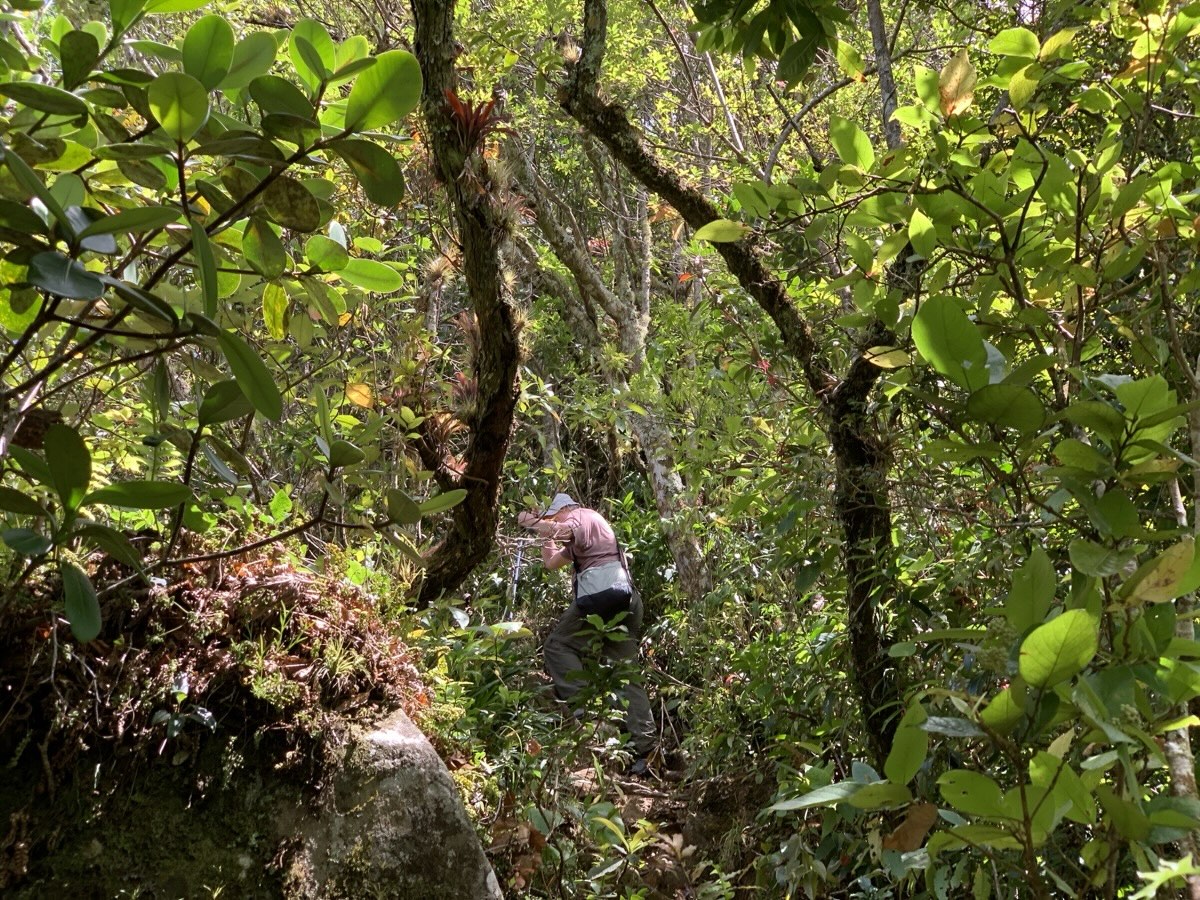
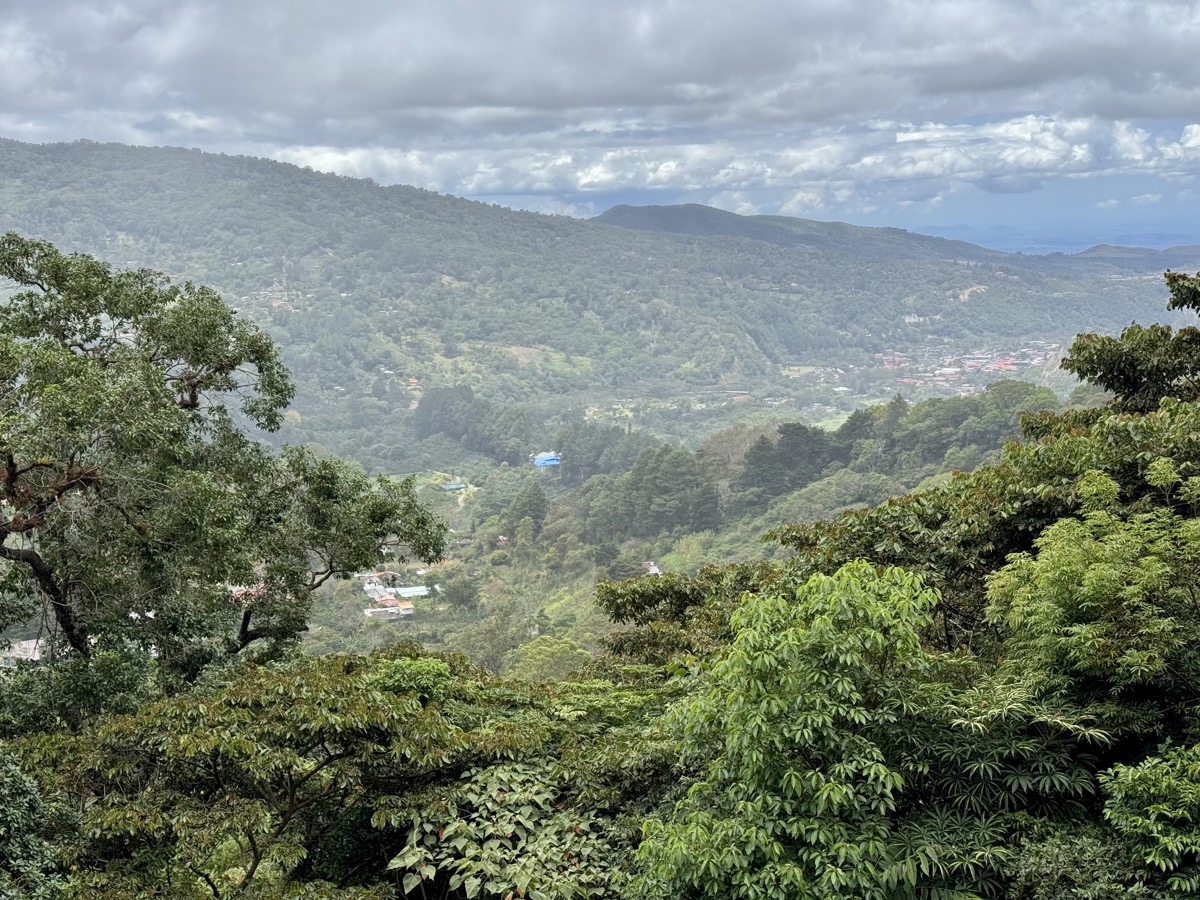
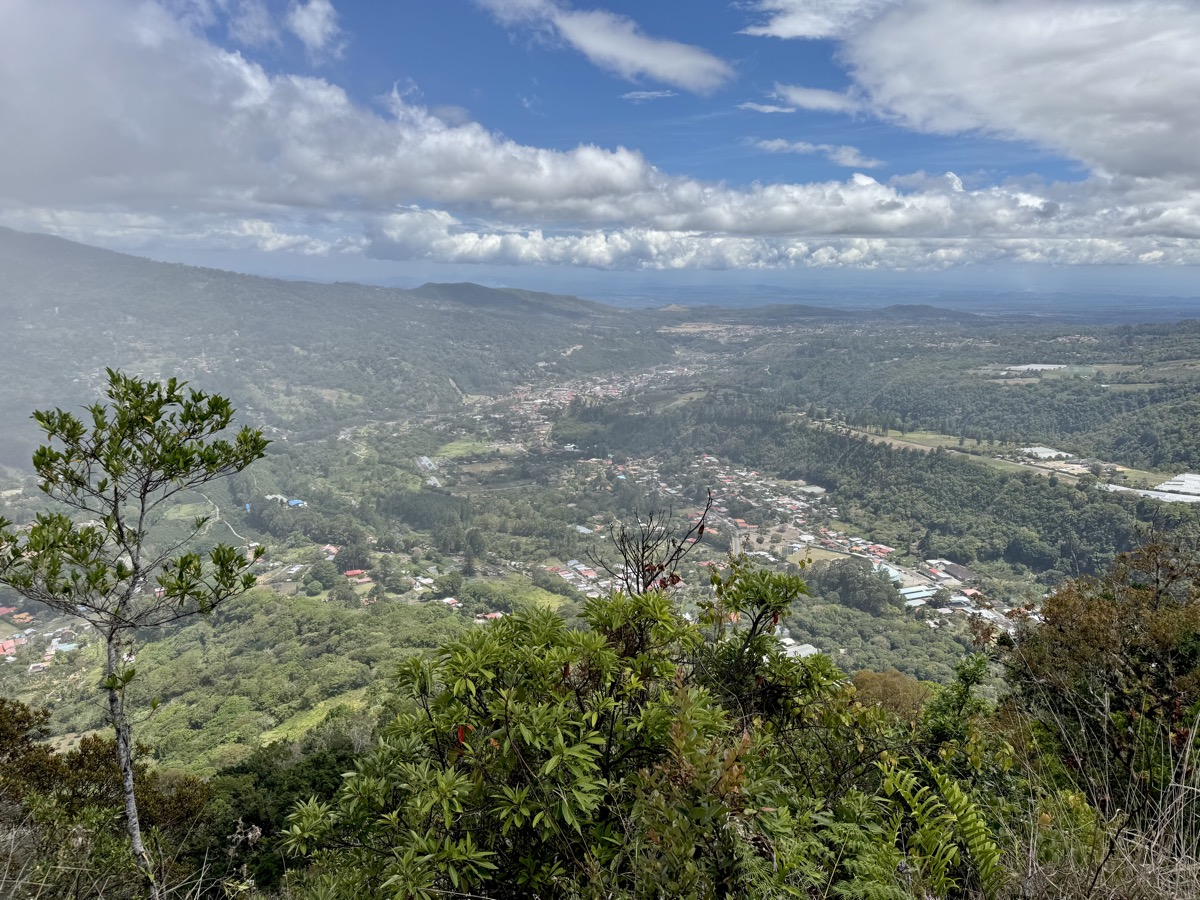
Day 3 started quite early in the morning: we took Uber to the airport (PAC), flew to David and took another Uber to our accommodation in Boquete. It all worked well and after checking-in we had time for one trail: to Mirador Piedra de Lino. Our host drove us to the trailhead. The trail is short, but very steep (gaining 350m in 1km). Lots of good views, some dense cloud forest and more views of the Boquete valley from the top. On the way back we decided to take a longer, less steep trail – forest path with some scrambling around fallen trees and a little route finding, than a very nice mountain/plantation road. After reaching the trailhead we just started walking down the road towards Bouquete and luckily were able to flag a taxi to take us back to town.
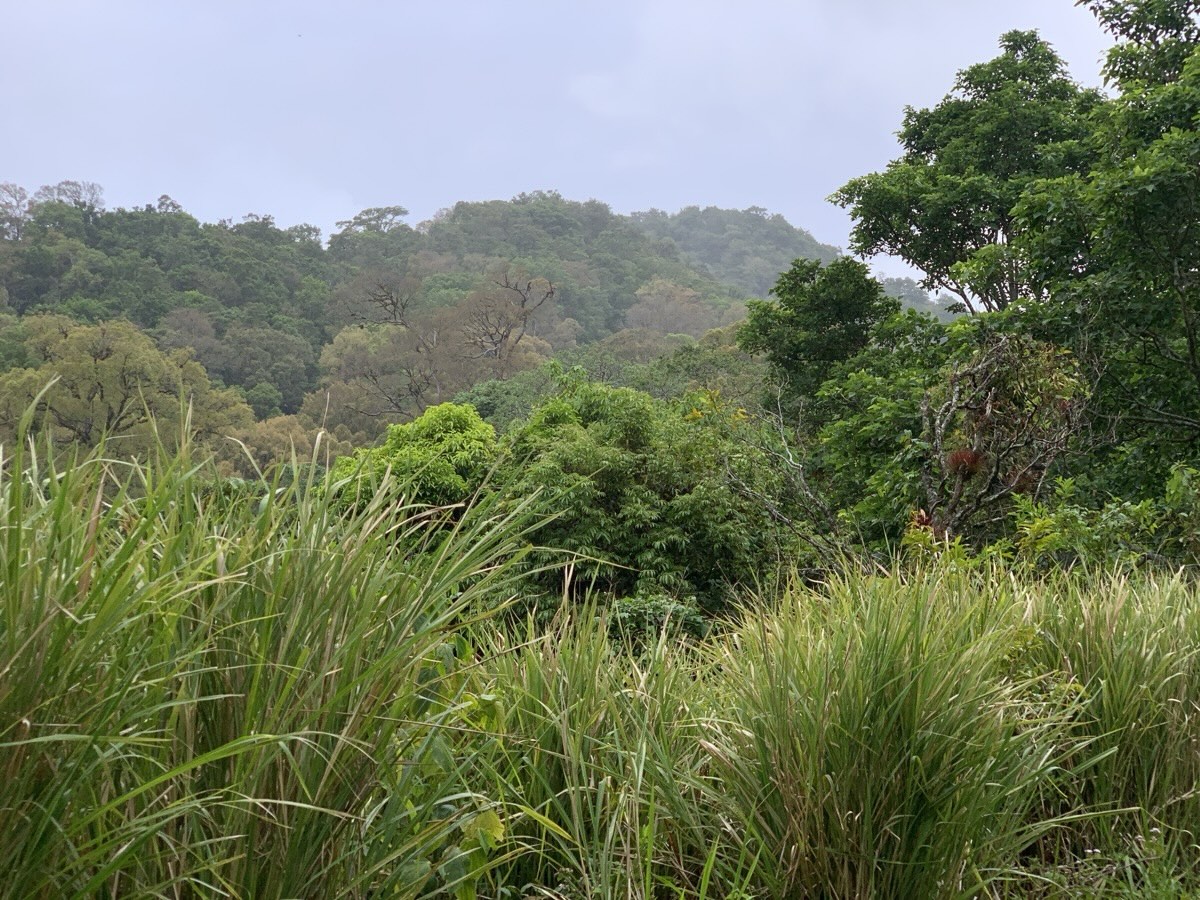
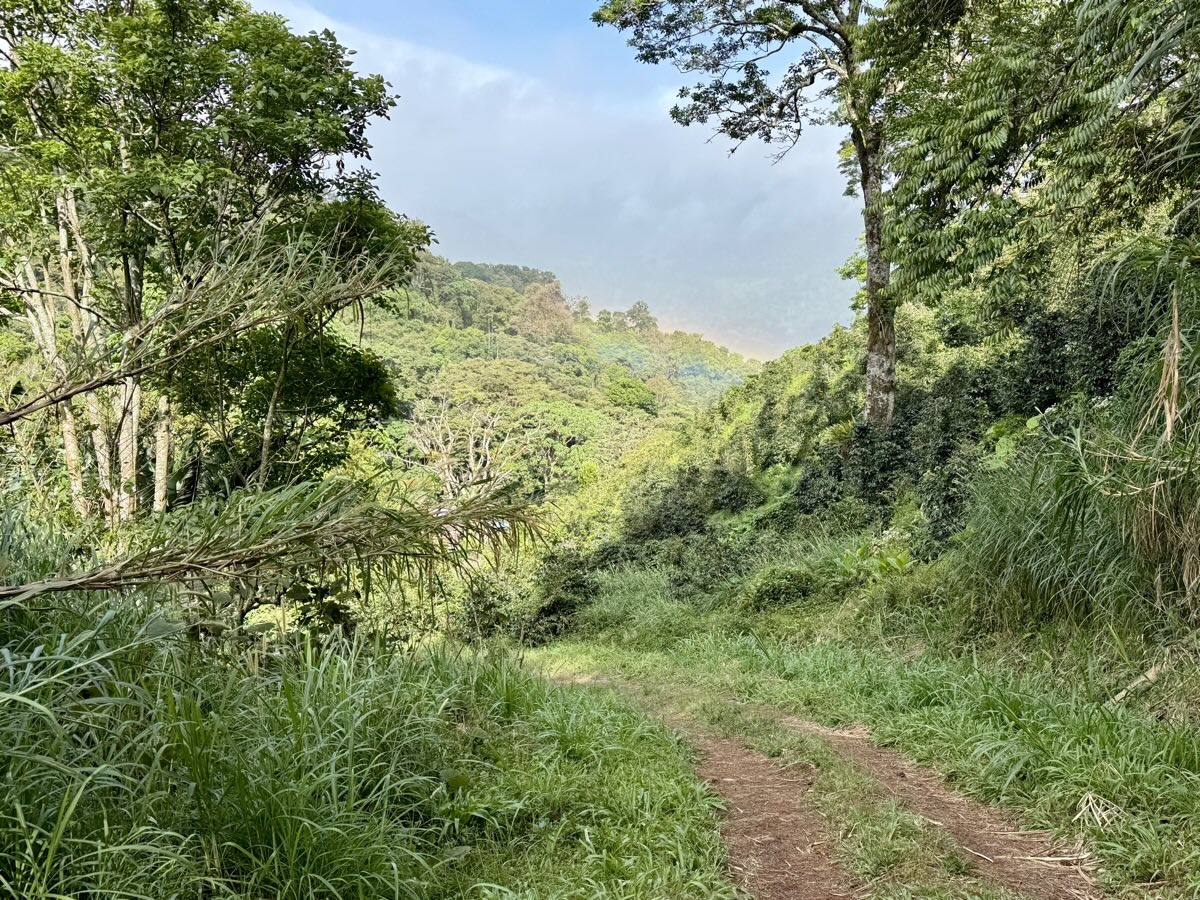
We treated ourselves to Panamanian food at Restaurante Meye Bounore (recommended): sancocho (chicken stew/soup), hojaldra a caballo (beef, puff pastry, fried eggs), montuno vegetarians (tortillas with fried veggies). Long and tiring day. Boquete (ca. 1200 masl) and the trails we hiked there are on the slopes of Volcano Baru – at 3475 masl quite a mountain. Not as hot as in Panamanian lowlands by the sea but still very humid. There were no mosquitos and we did not know yet that we were attacked by chiggers, with long lasting bumps and itching developing over next few days.


Day 4 had to be an active but easy one – we needed rest after yesterday’s steep trail. First visit to Boquete Feria de las Flores: park (and market) along Rio Caldera full of blooming flowers, kitsch/fairy tale sculptures and very nice orchid exposition (Panama’s Annual Orchid Fair). A lot to see and photograph (recommended).


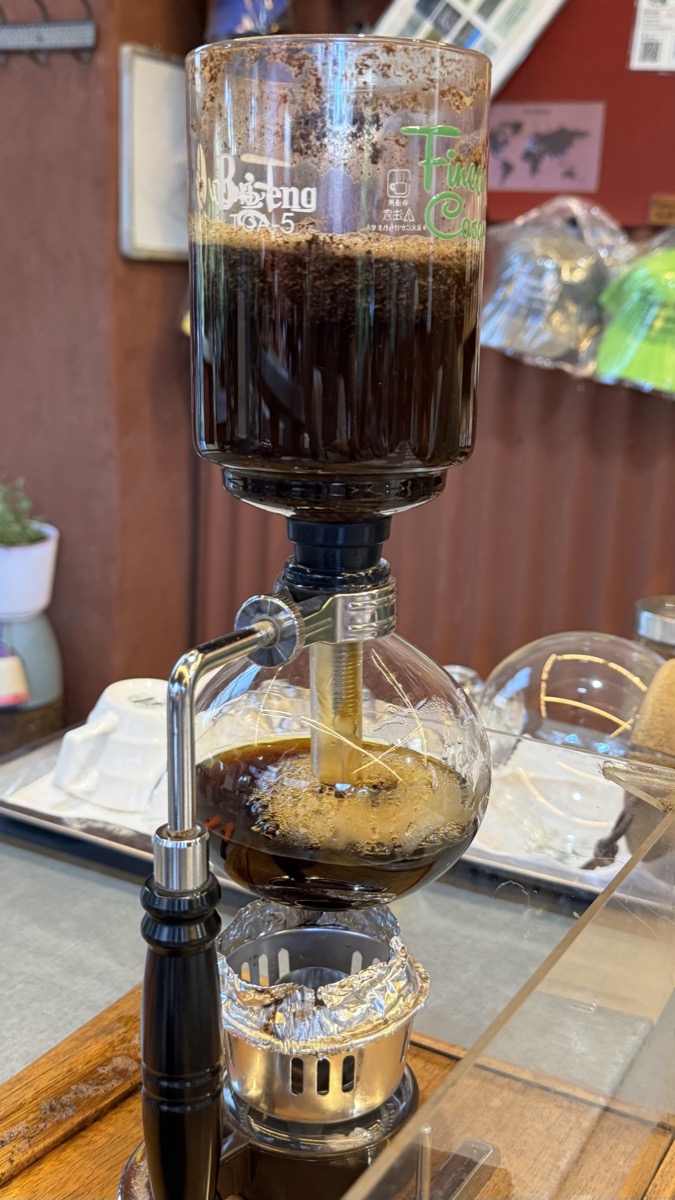
Next, visit to ☞ Finca Casanga just outside of Boquete – small specialty coffee plantation (Arabica Catuai, Geisha and Caturra). The owner drove us there from their store in town. Very informative visit, good guide, coffee roasting and tasting (recommended). We wished we spent more time visiting the actual plantation.


Finally, slow stroll in very nice Parque Bibliteca Boquete, popular with locals on Sunday afternoon, before Peruvian dinner at Inkas Boquete: anticucho (grilled beef heart) and parihuela ( seafood soup).


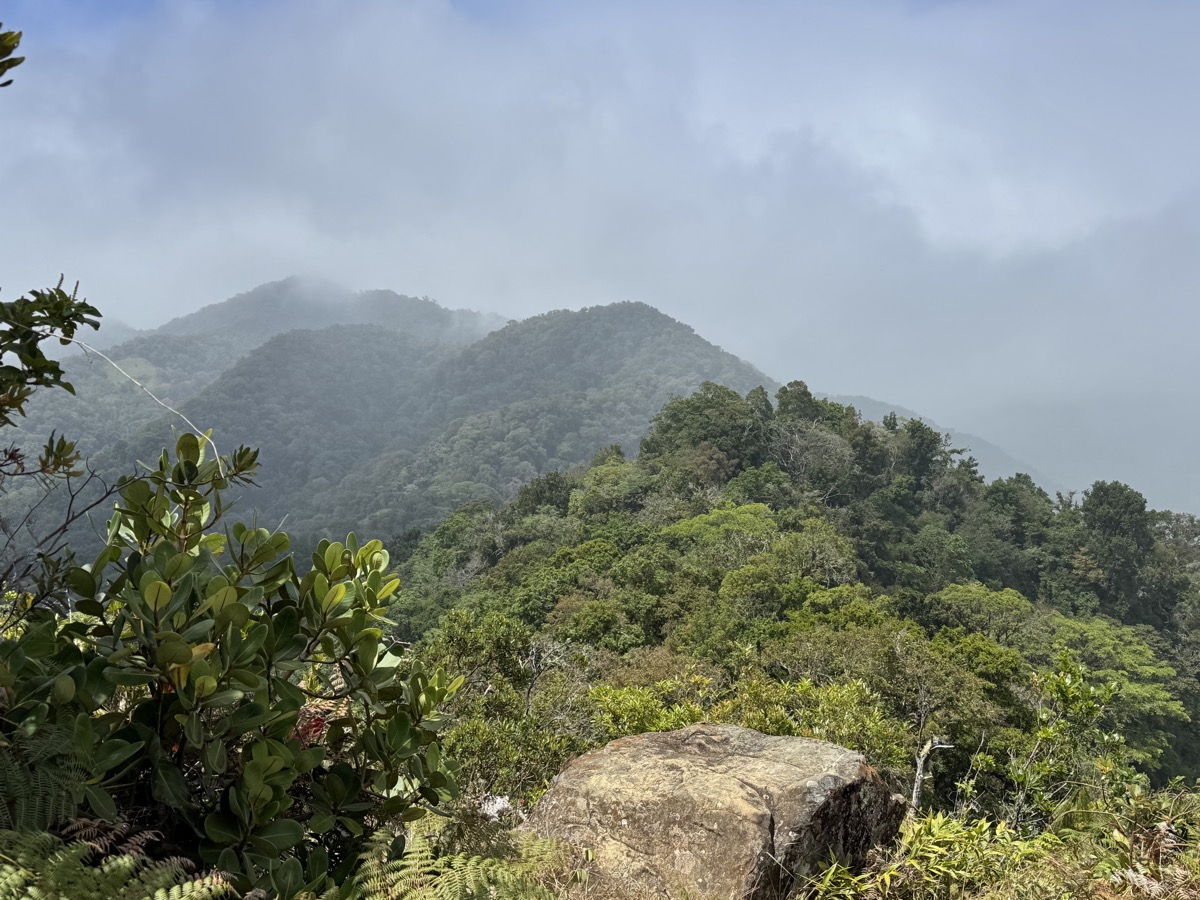
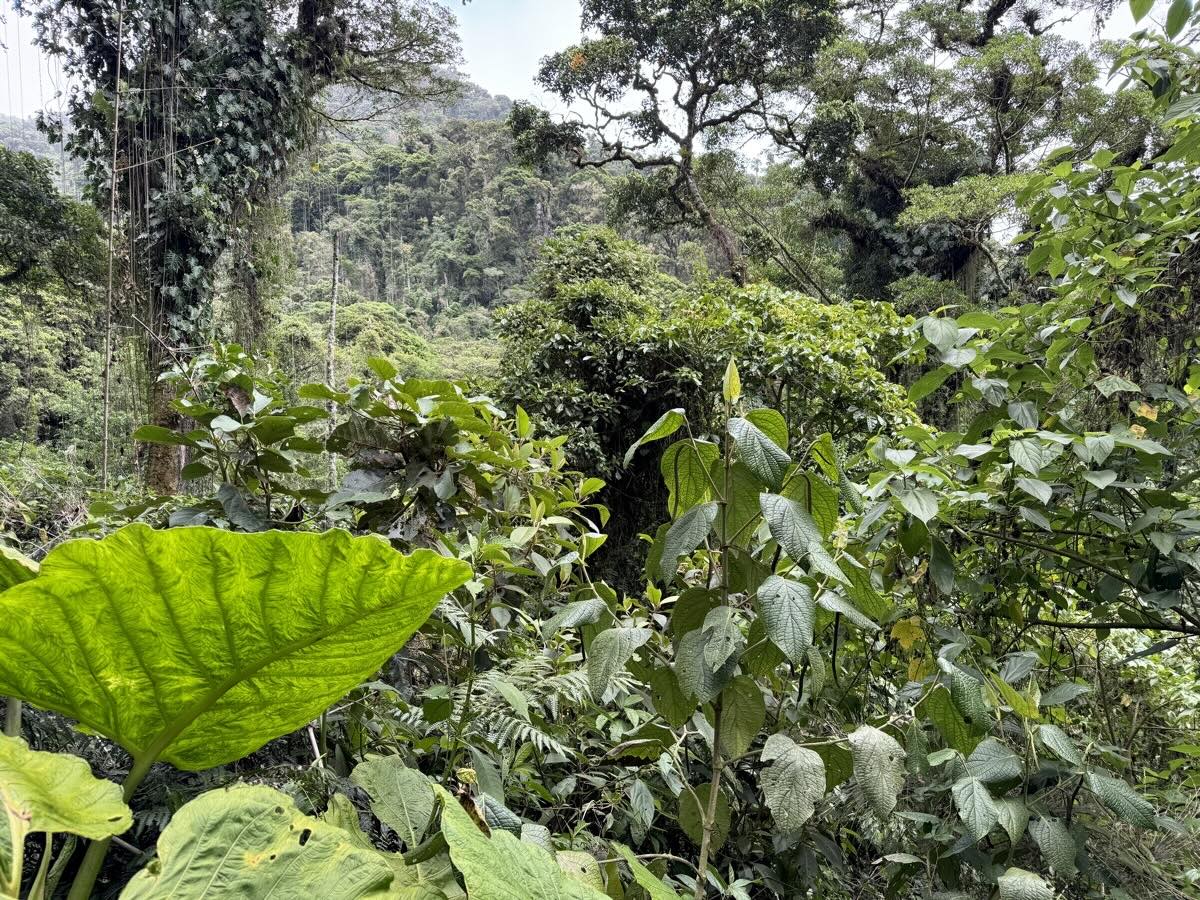
Day 5 had to be another hike. This time beautiful Sendero Los Quetzales in Volcan Barú National Park. Of course we wanted to find quetzals – partial success as we heard one or two flying close above us, but did not really see them. Then we heard them further away a couple of times. We now routinely use Merlin on hikes and walks, it tells us what is out there and what to look for. The trail is well maintained and rather easy, except steep last section to Mirador Las Rocas (almost all built steps). 10km and 720m altitude gain-day of walking through beautiful cloud forest with a good look at fog from the mirador (fog and clouds came in when we were approaching mirador). We were glad we had good views on the first day, and mist made the forest even more mysterious. At the end of the hike we were caught for almost an hour in rain, quite heavy at times. Other hikers with a car took us back to town.


In Boquete we shopped for groceries at local bakeries, fruit market and at Super Barú. Our room had kitchenette to prepare coffee and simple meals. Packing before bed to be ready for morning shuttle to Bocas del Toro. We liked the mountains, cloud forest and cooler temperatures, Joanna wished we had more days in Boquete to explore other trails.


