11 days in Mexico day 1-4: Puebla and Cholula

January 13-16

It was again a last minute decision to go, facilitated by direct flights from Chicago to Mexico City (Aeromexico) and easy to work tourist infrastructure. We had a plan what to see, but made detailed decisions on day-to-day basis. We split our time between Puebla (travel day plus 2.5 days) and Mexico City (6.5 days). Joanna pre-arranged both accommodations a few days before the trip opting for locations either within walking distance or public transport to at least some of the local destinations. We used Estrella Roja to get from MEX to Puebla Paseo Destino and eBus back to Mexico City El Ángel. We used Uber (12 times) and in Mexico City also public transport : metro, metrobus and RTP buses, light train – inexpensive (free for seniors). All the transportation worked very well: convenient and fast. We got stuck in traffic only a couple of times, not too bad. Museum tickets are inexpensive, sometimes entrance is free for teachers and/or seniors. We spent ca. $1500 on everything except food which is inexpensive. We had access to kitchen to make morning coffee, prepare breakfast and supper, but had main meal each day somewhere in town. Visiting local cafés, panaderias and mercados was part of our trip. We did not do any nature hikes this time, but street-walked 10 km a day on average visiting different neighborhoods, many museums and archaeological sites.

Day 1-2.

Puebla. After somewhat delayed flight, we took bus from MEX airport to Puebla Paseo Destino and then Uber to The Dear hostel (recommended). Buses directly from the terminal are frequent and we did not have to wait. Despite late hour (almost midnight) our kind host was waiting for us. And he took us to local taco stand for late night snack. The place was secure, very clean, well maintained and equipped: shared kitchen, dining room, living room and bedrooms upstairs (with private or shared bathroom – ours was private). The hostel is located in Centro Histórico.

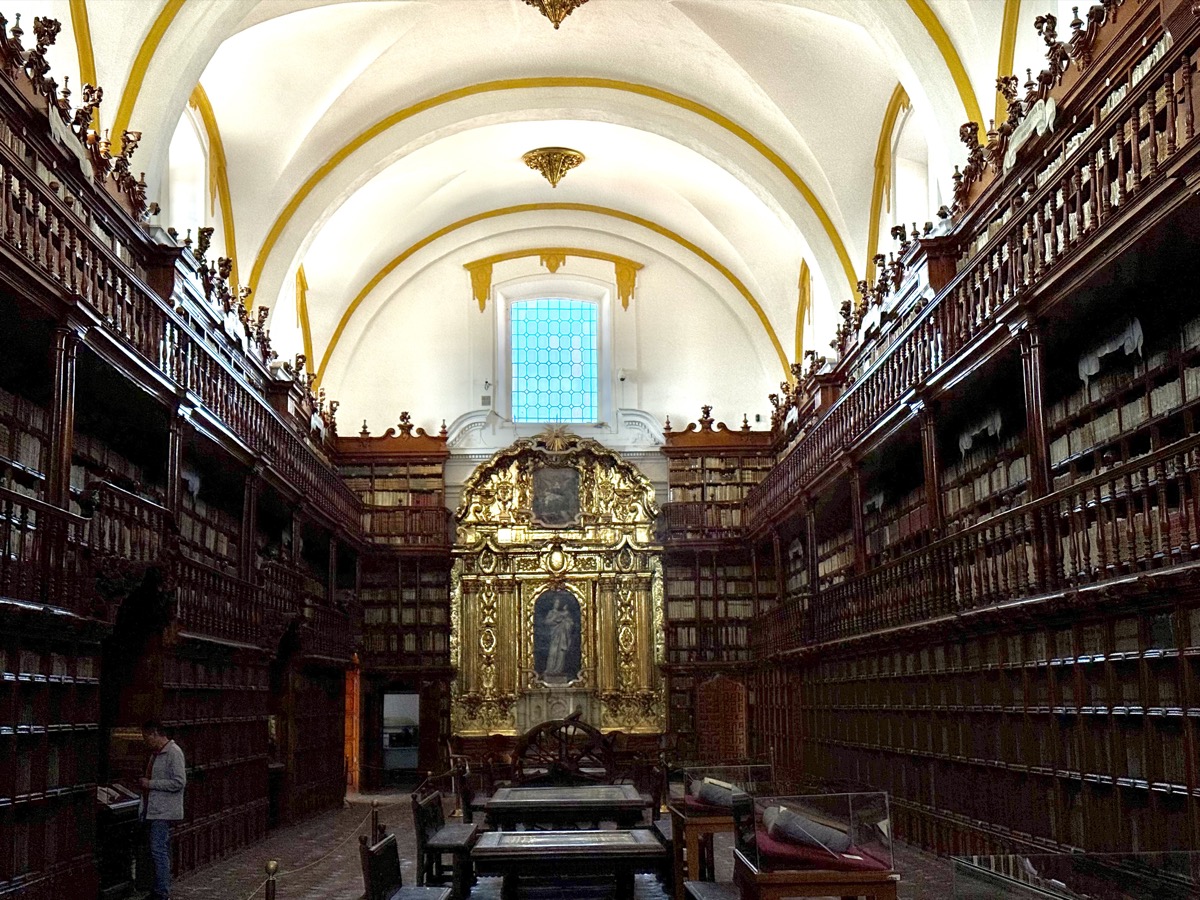
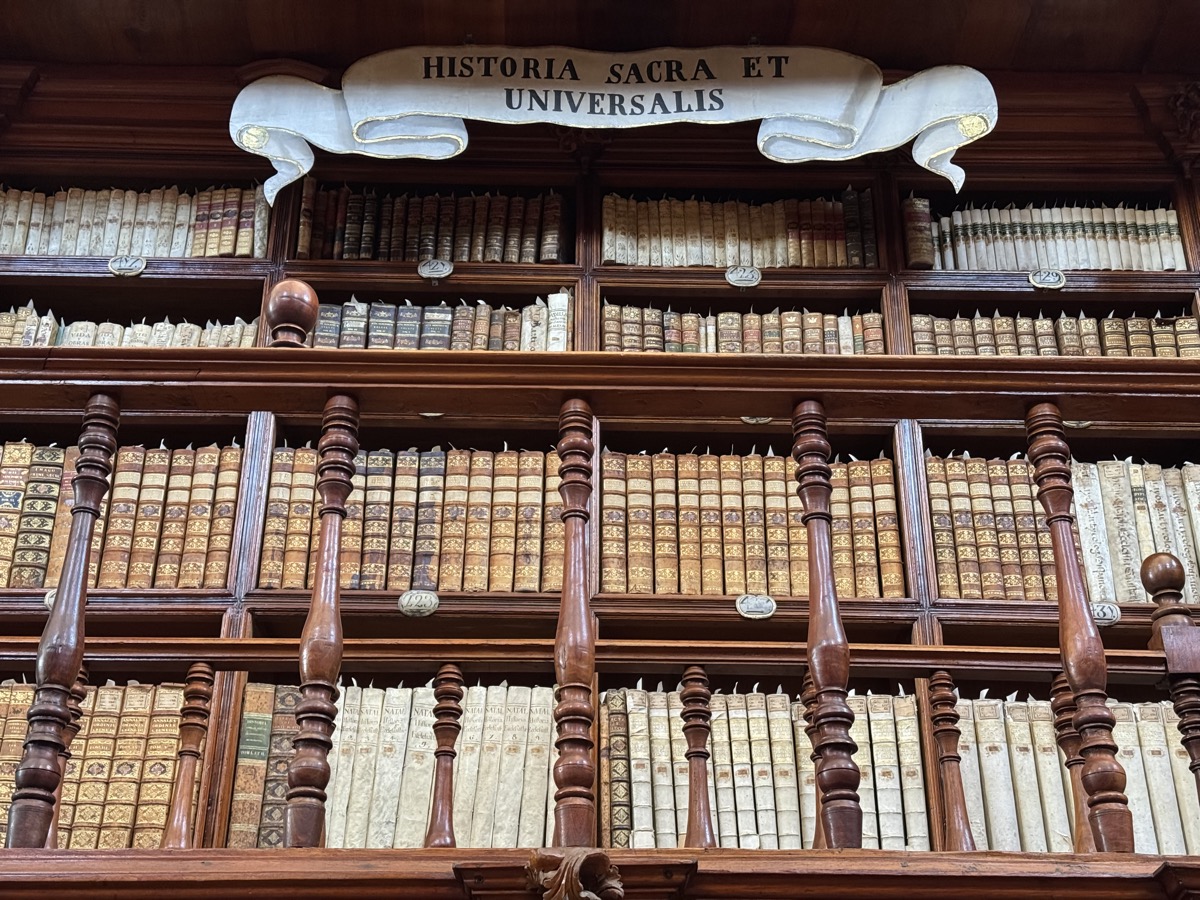
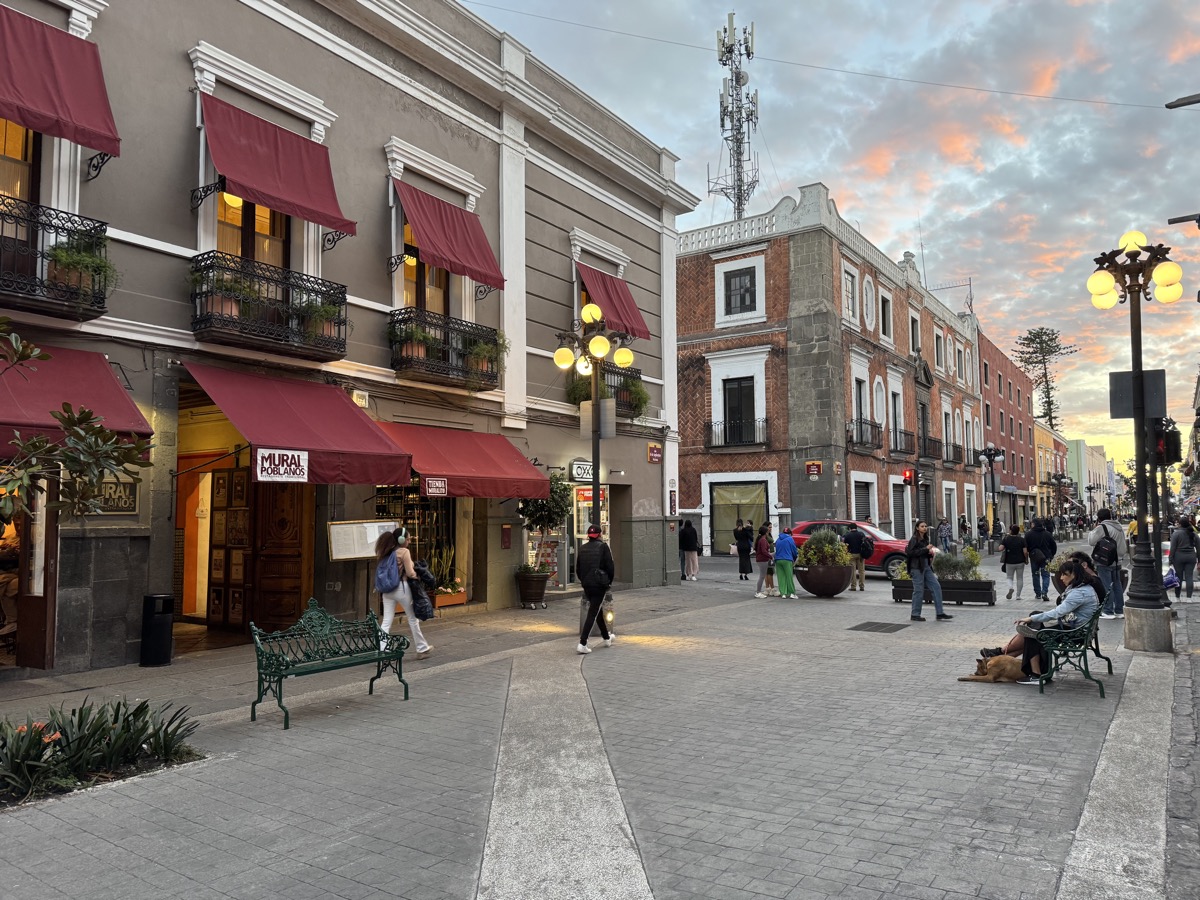
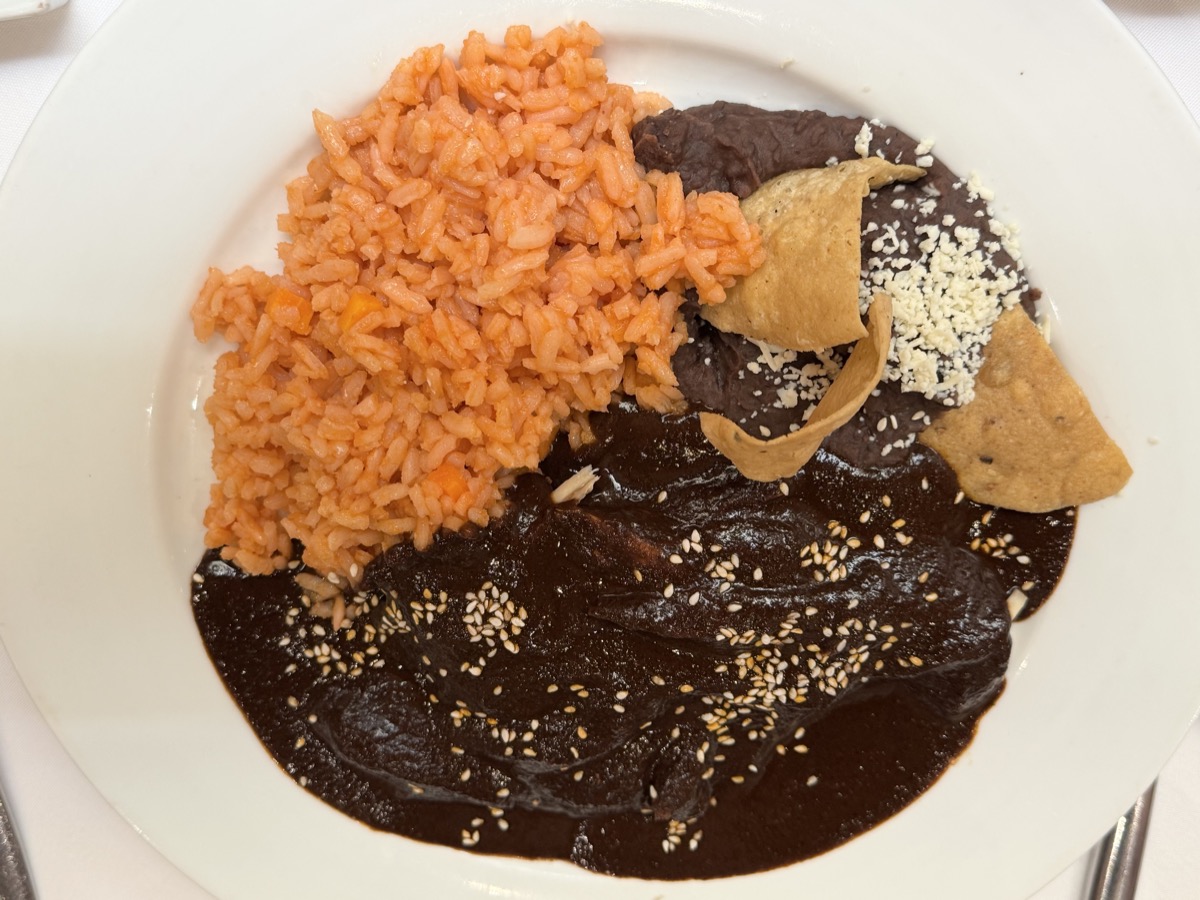
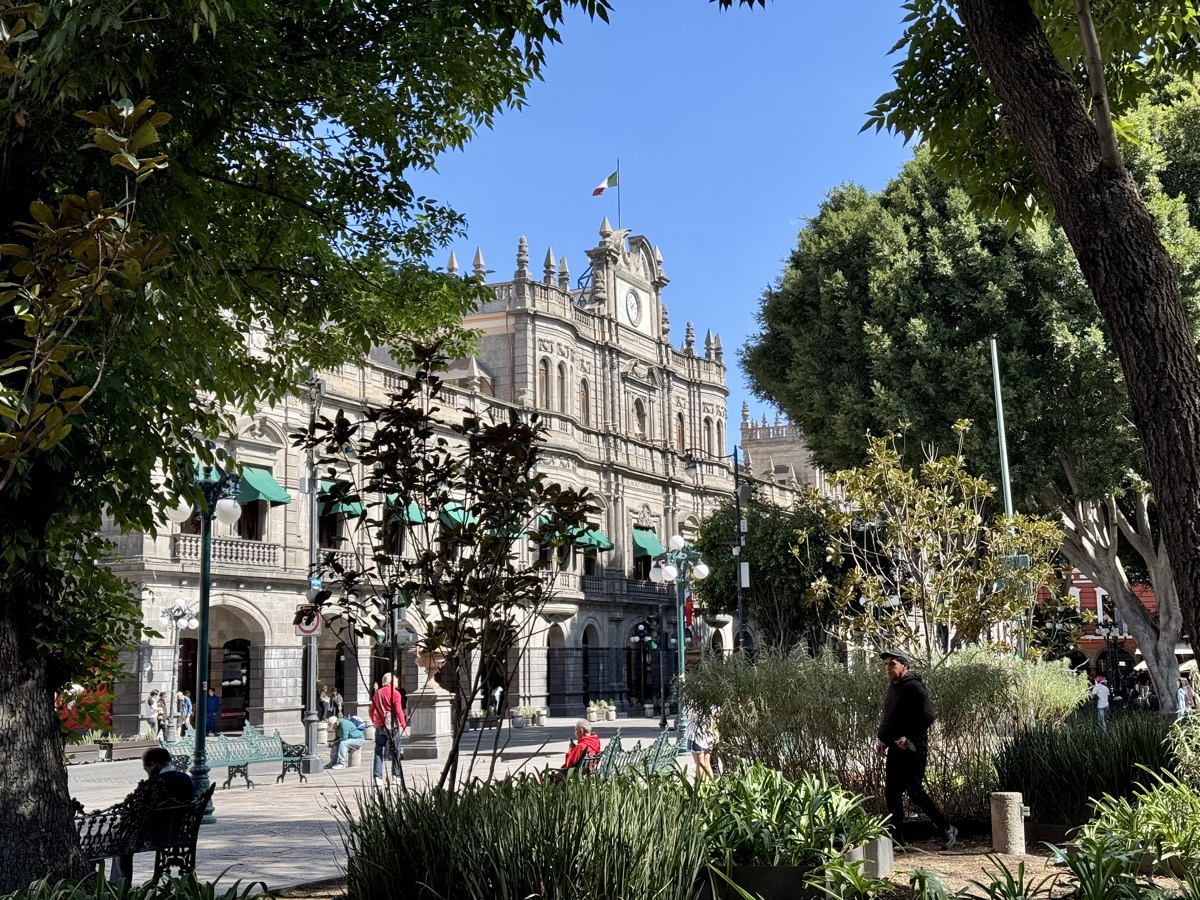
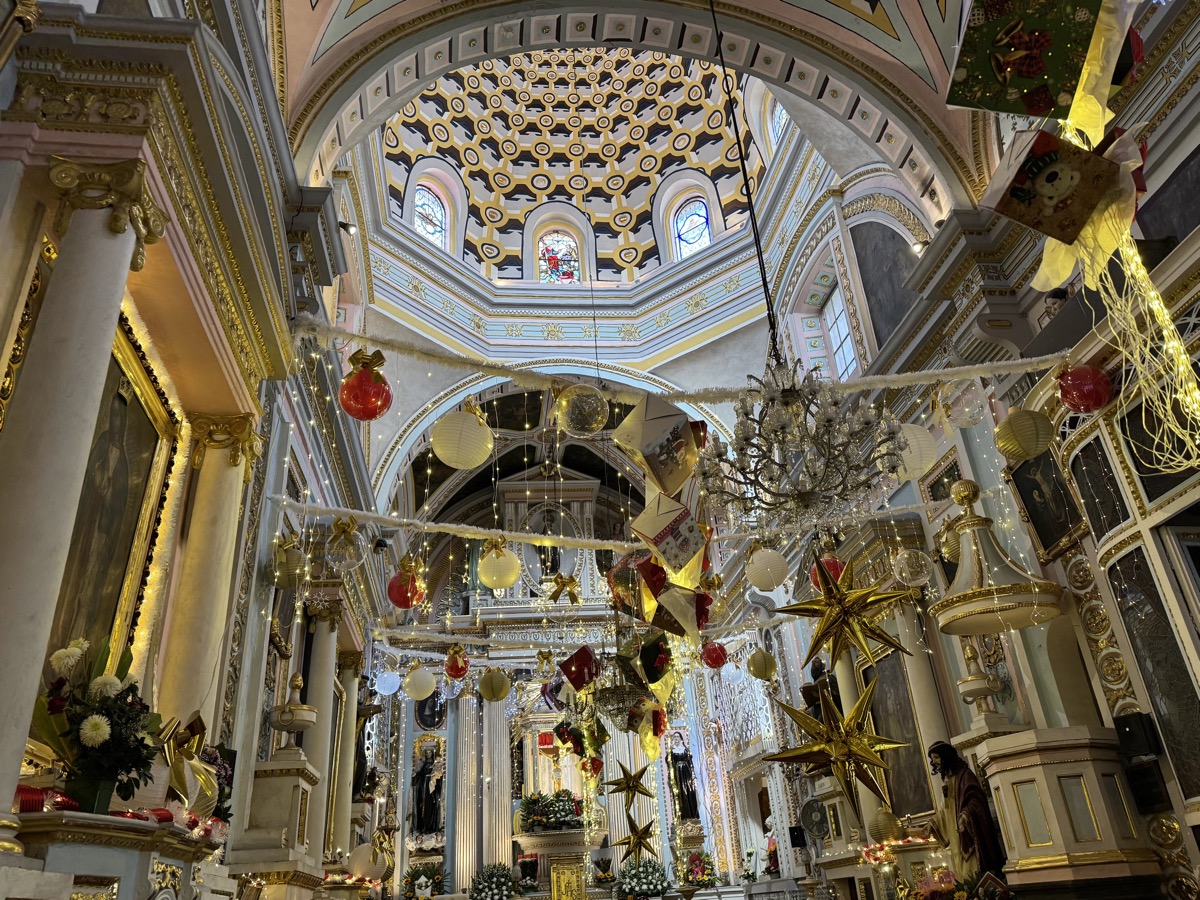
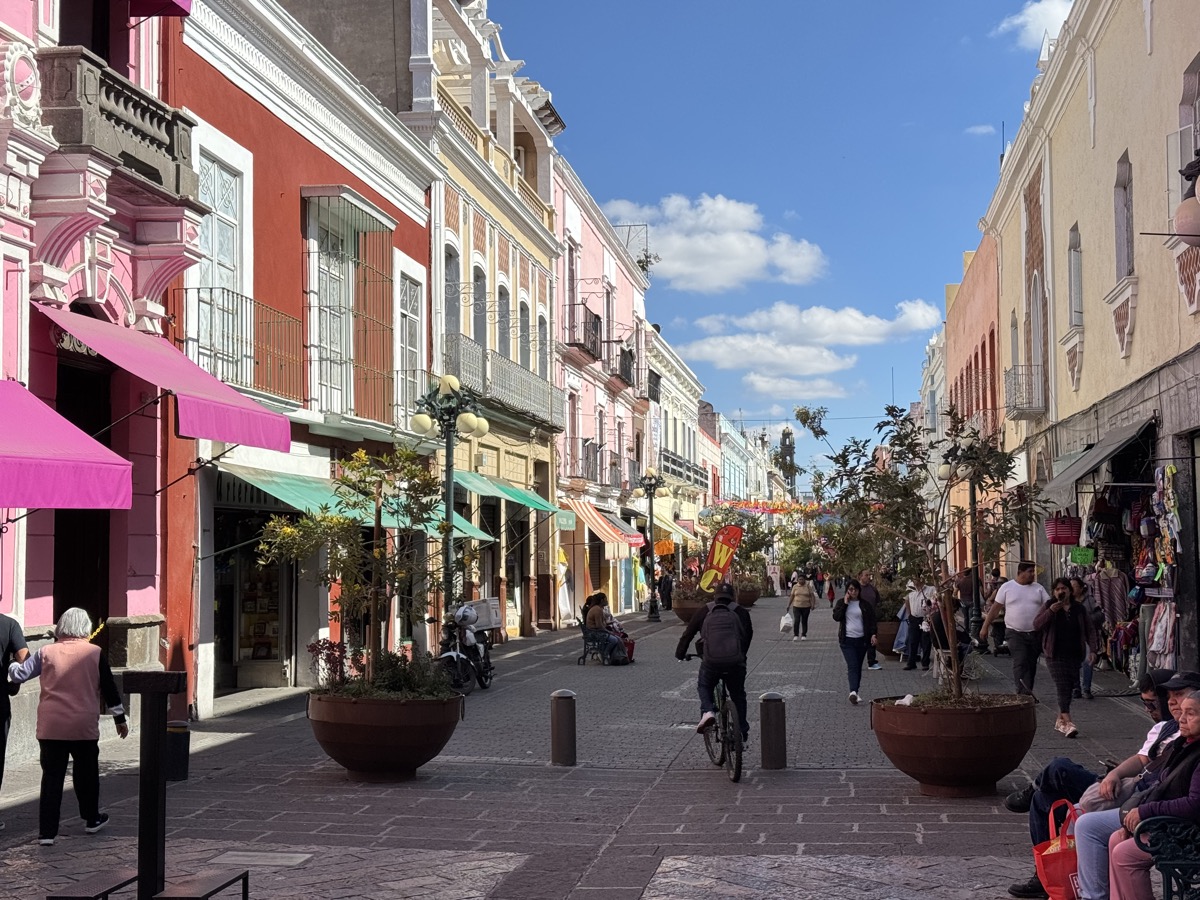
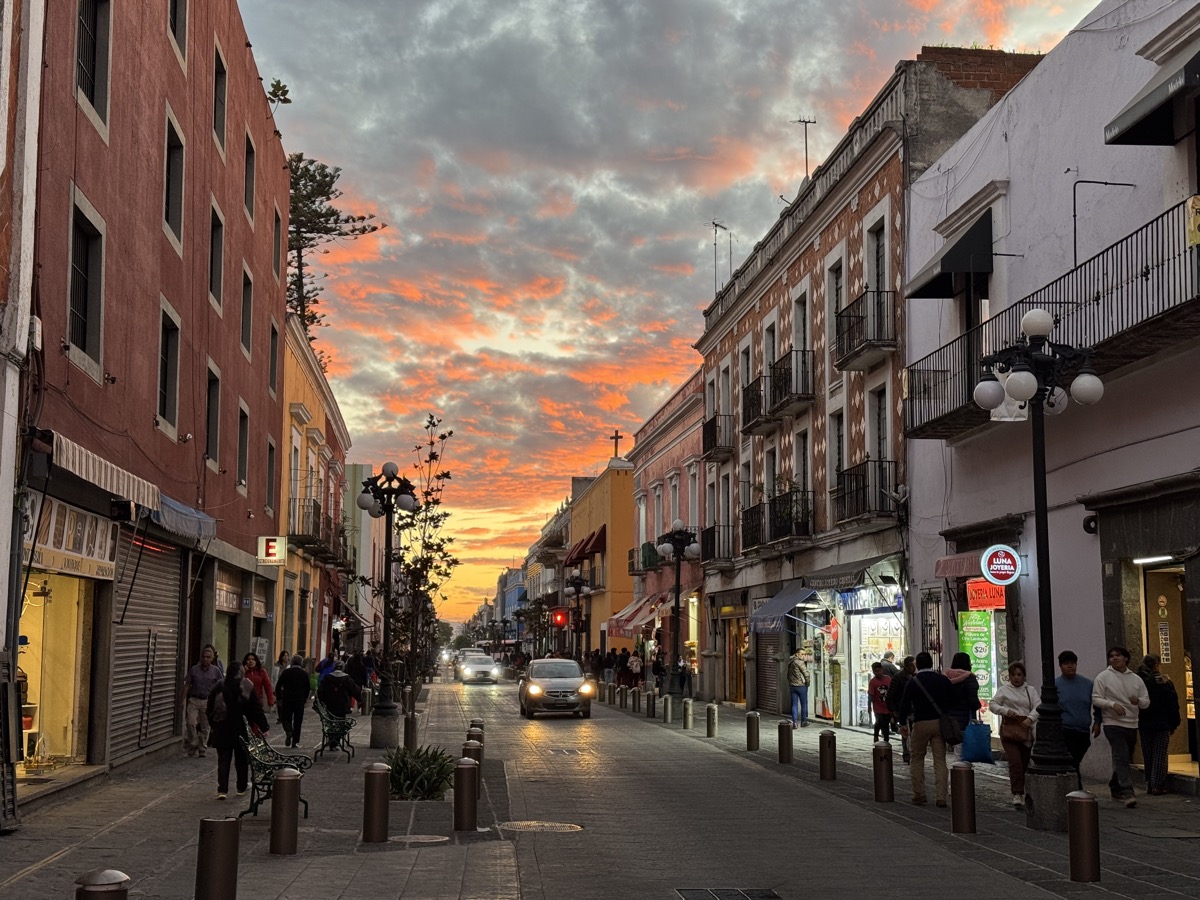
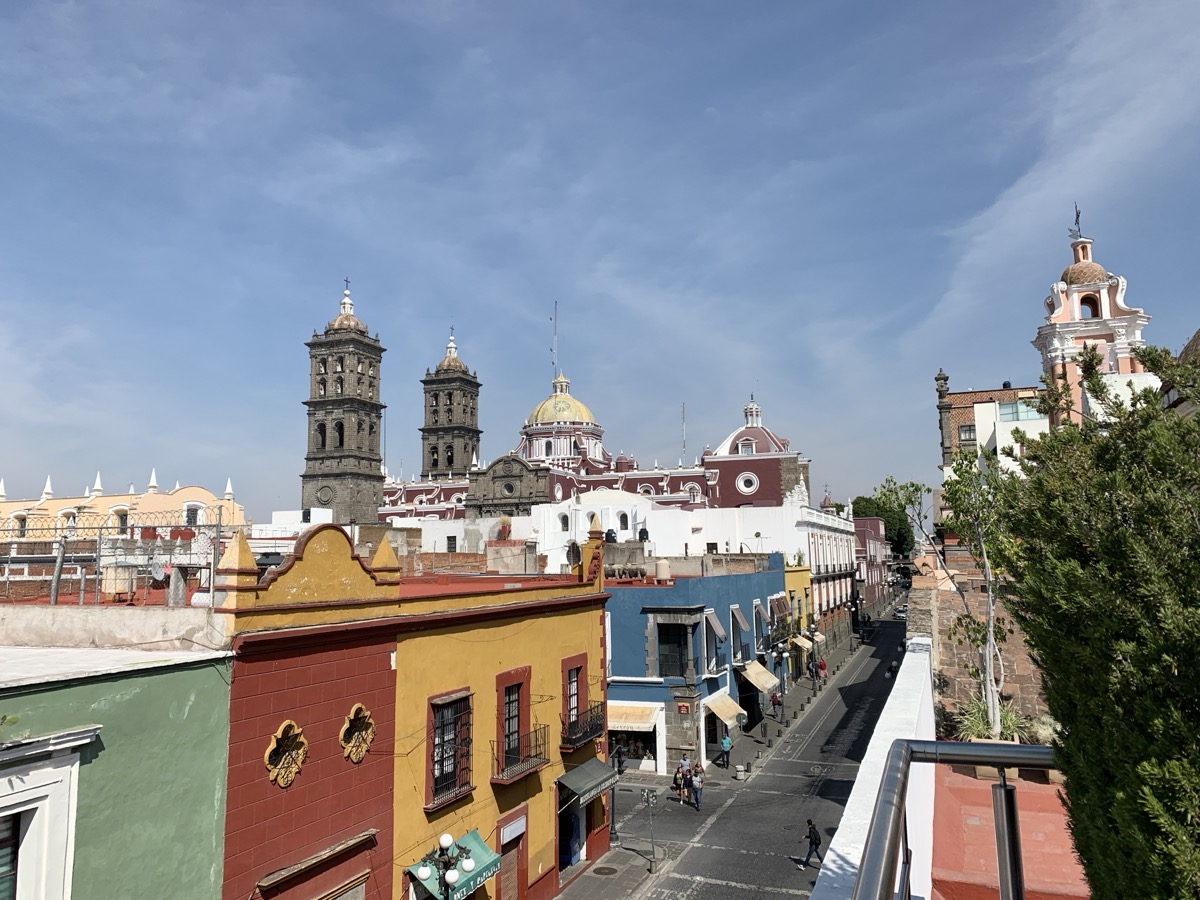
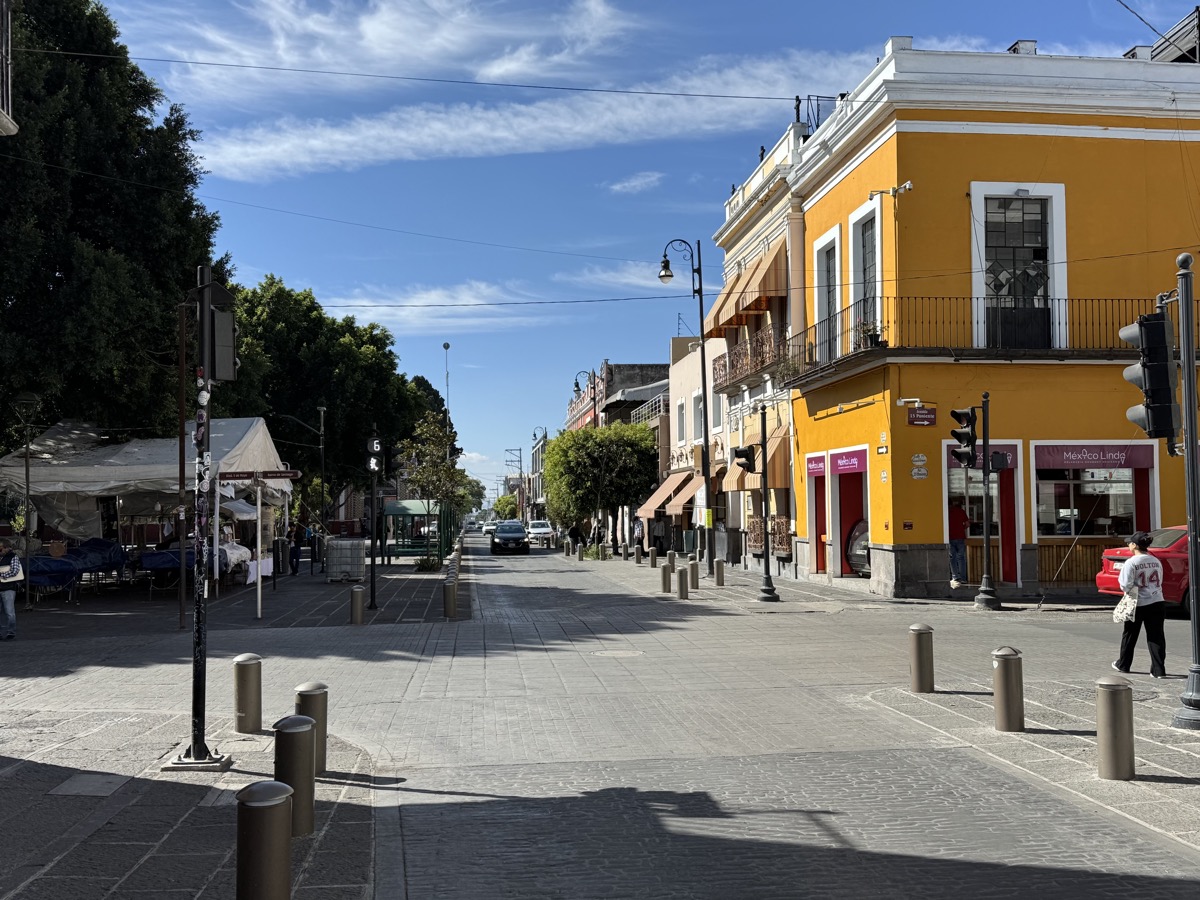
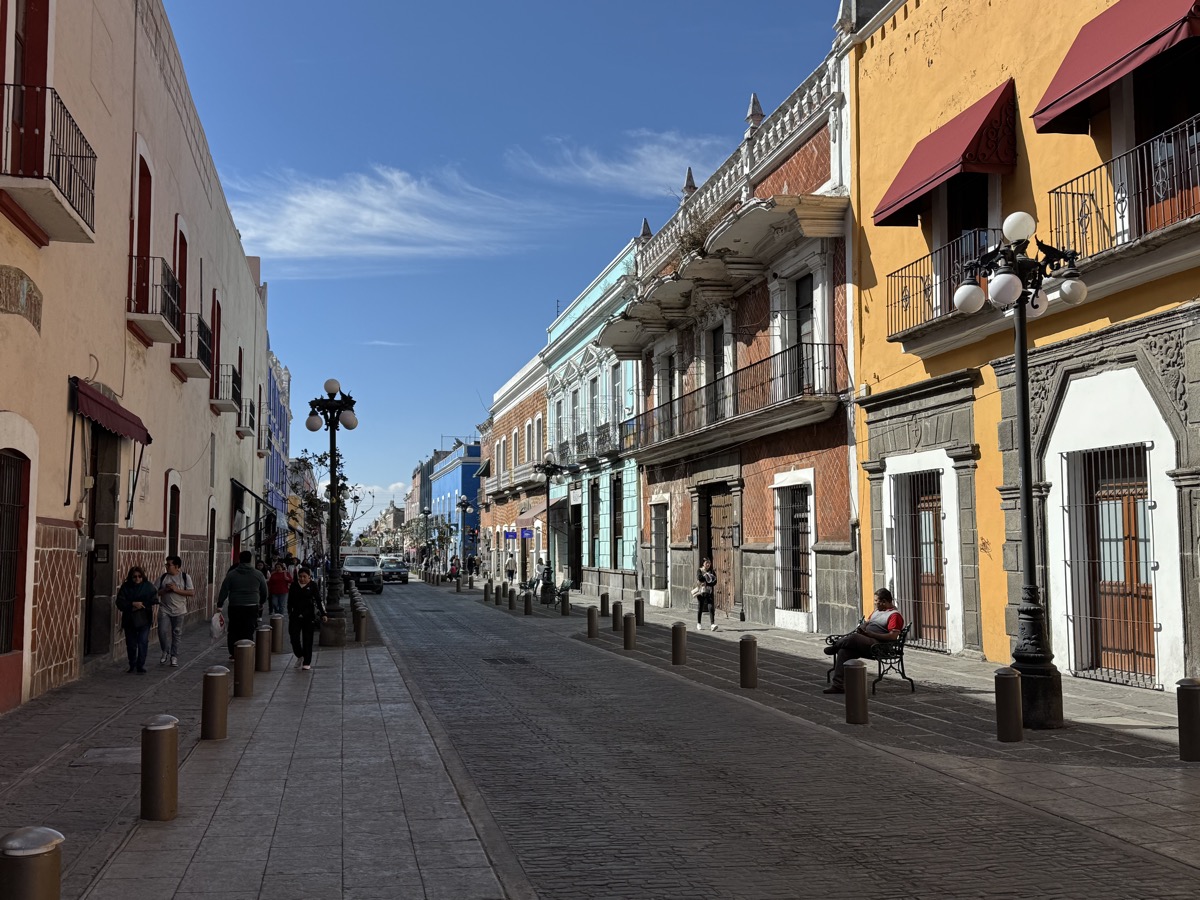
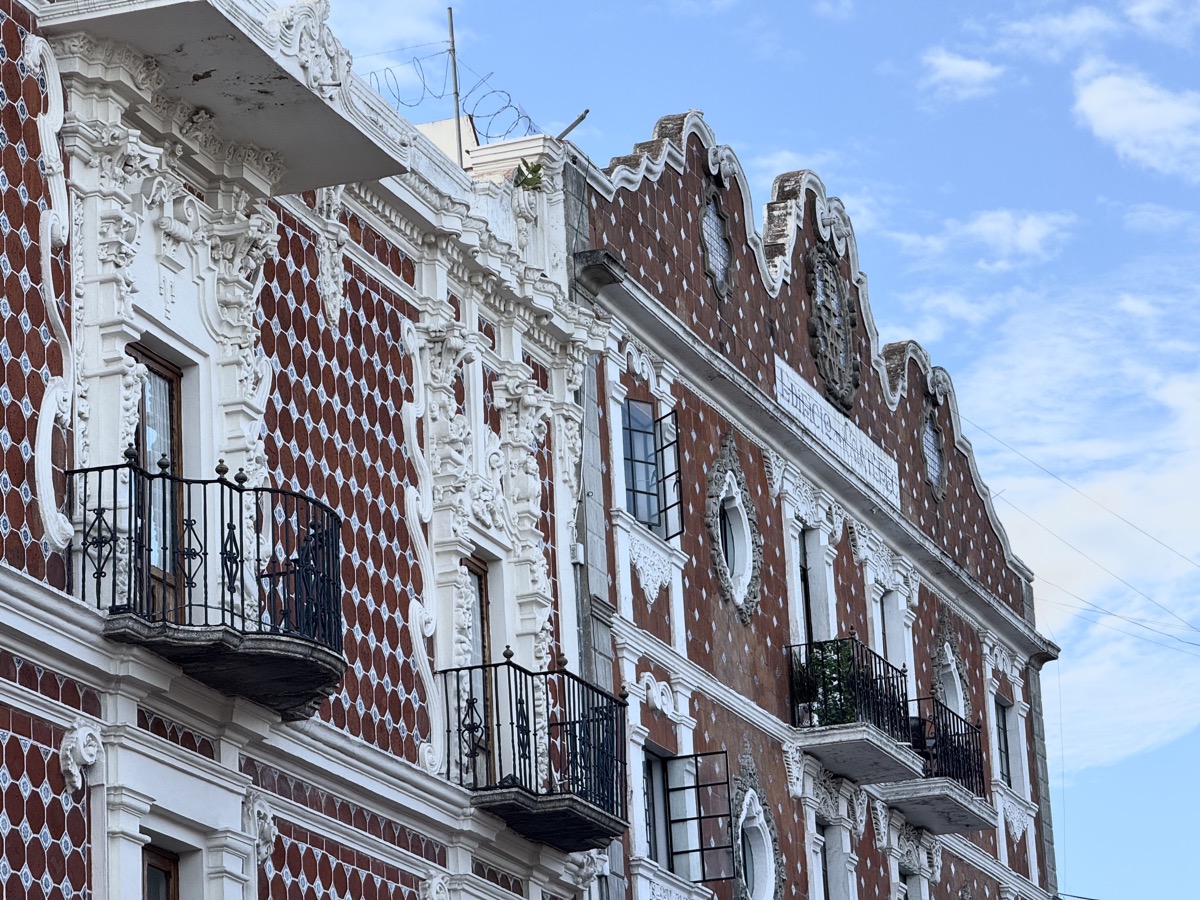
Despite slow morning we managed to see quite a bit on full day of walking. Puebla is Hispanic city founded in 1531: colorful, richly decorated houses, churches, Talavera pottery and tiles. We started up Calle 16 de Septiembre towards Zócalo, but first stop was at Casa de la Cultura to visit Biblioteca Palafoxiana: oldest library in the Americas founded in mid 17th century. Then it was already lunch-time and time for famous chocolatey mole poblano. We followed recommendations and settled in El Mural de los Poblanos (recommended).
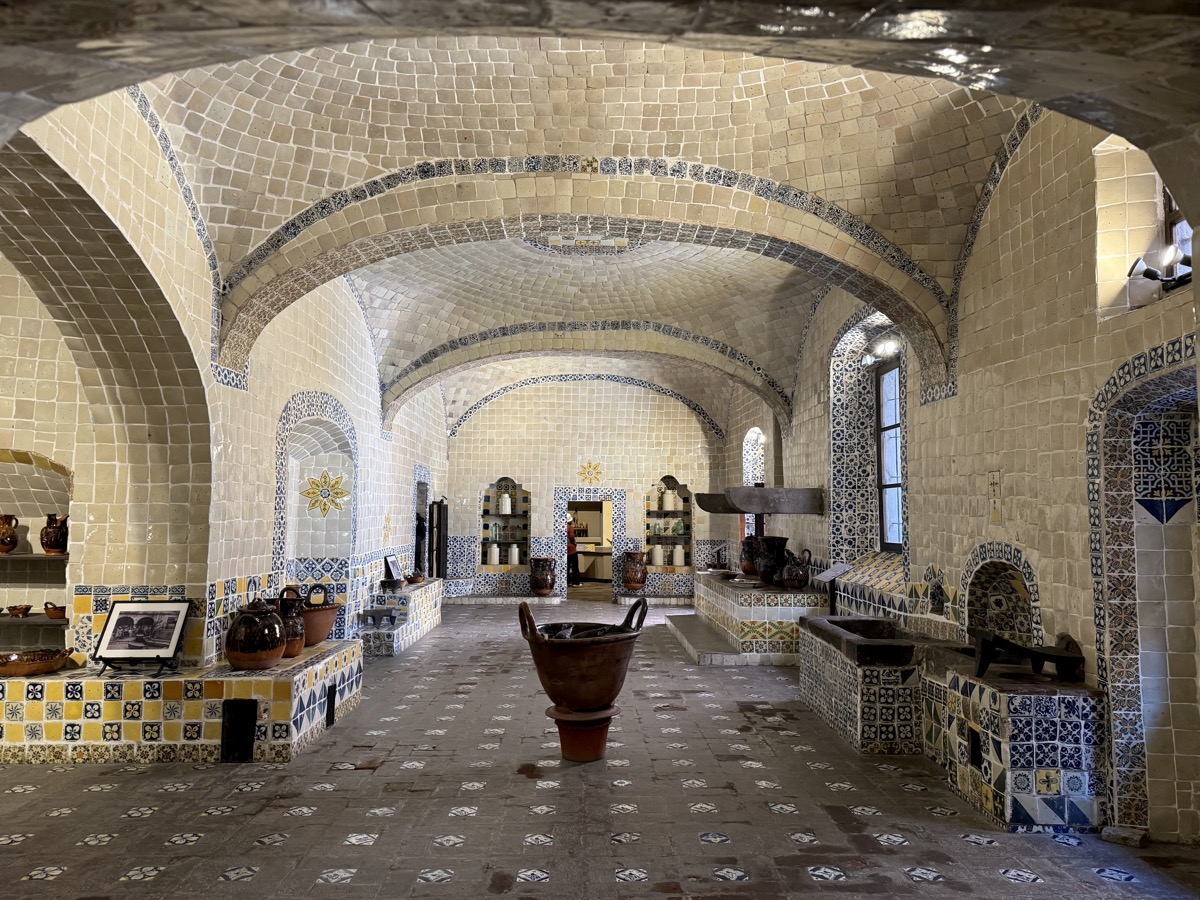
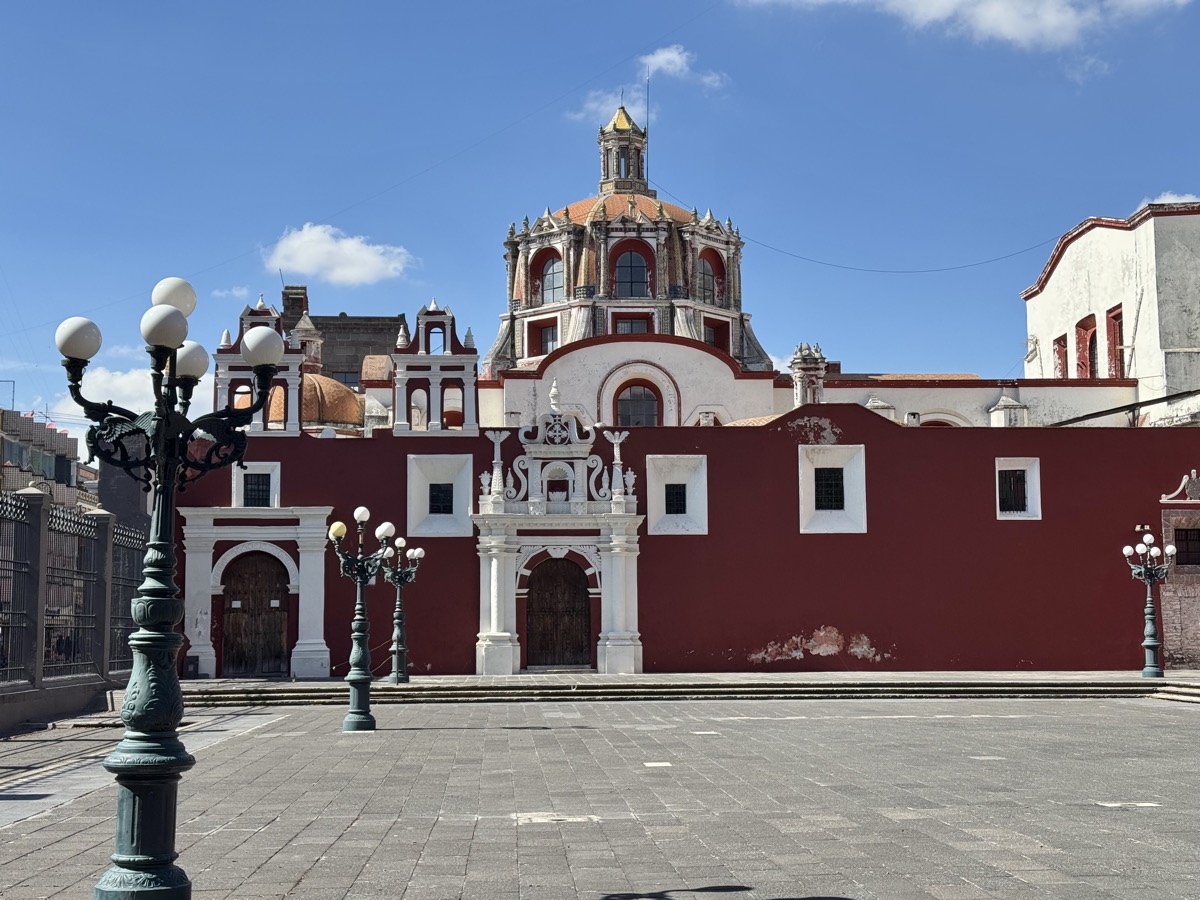
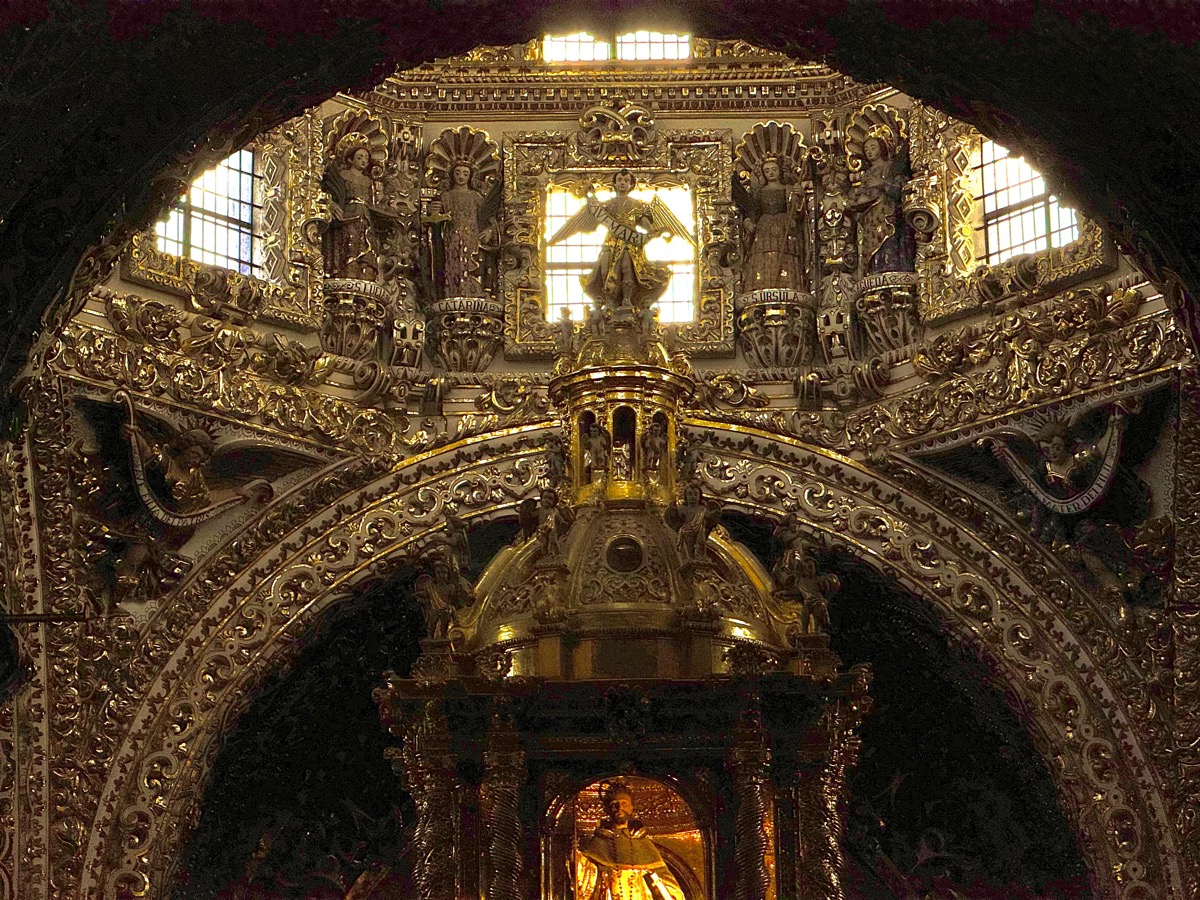
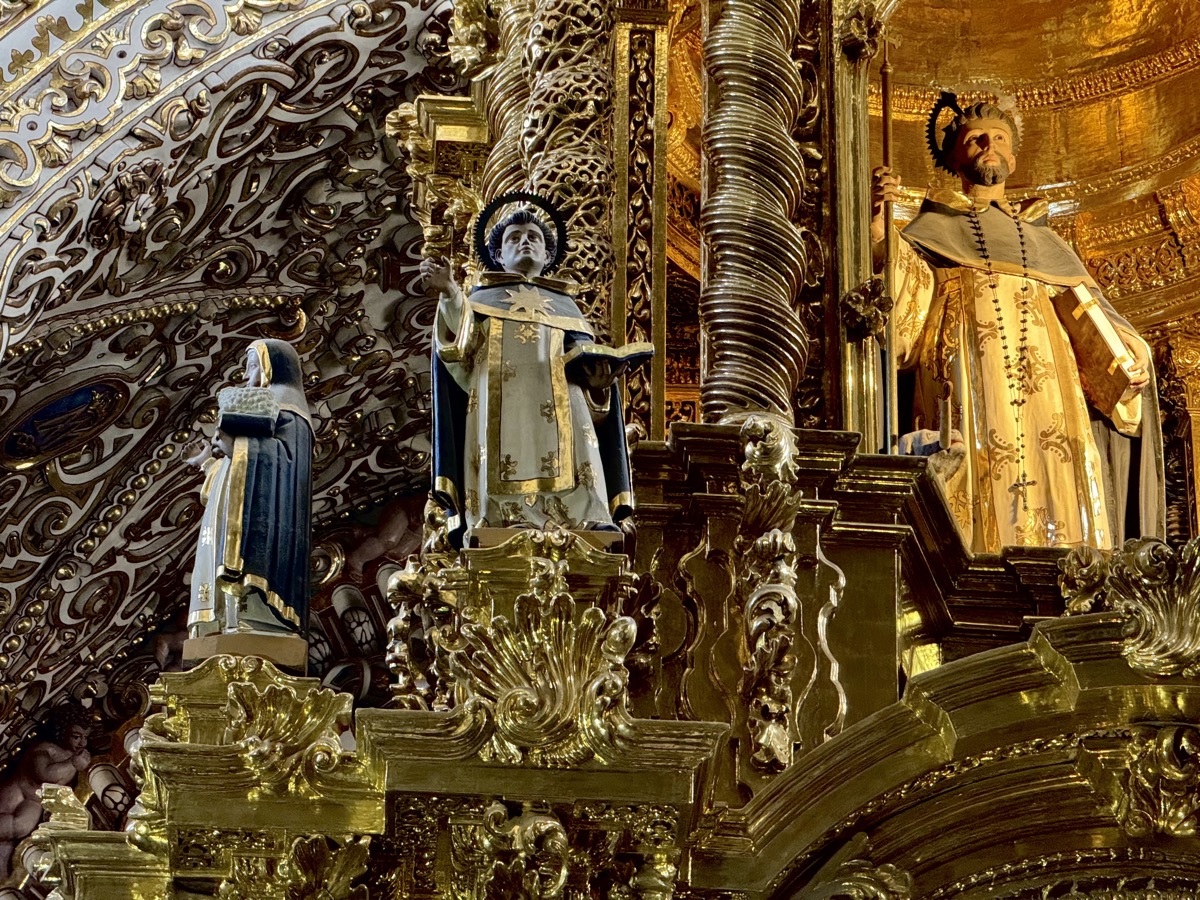
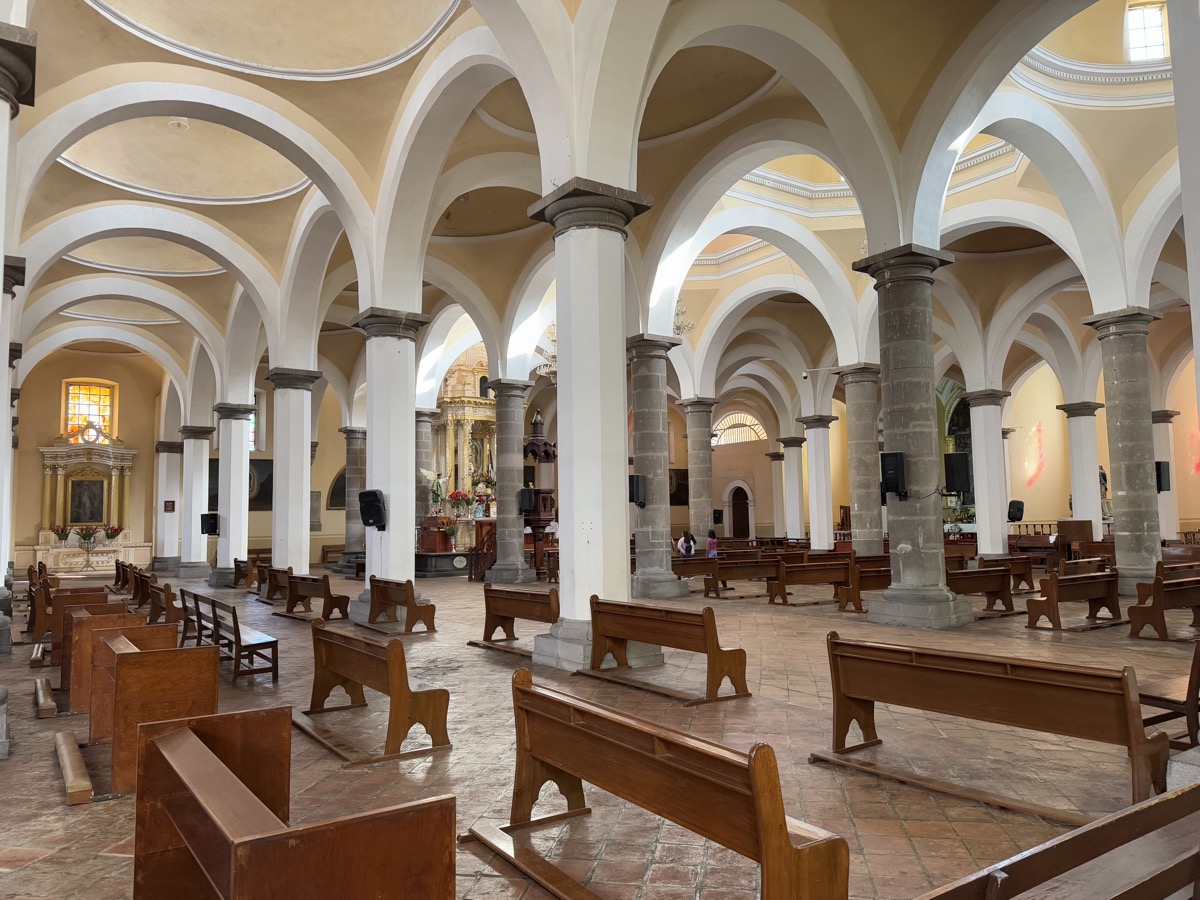
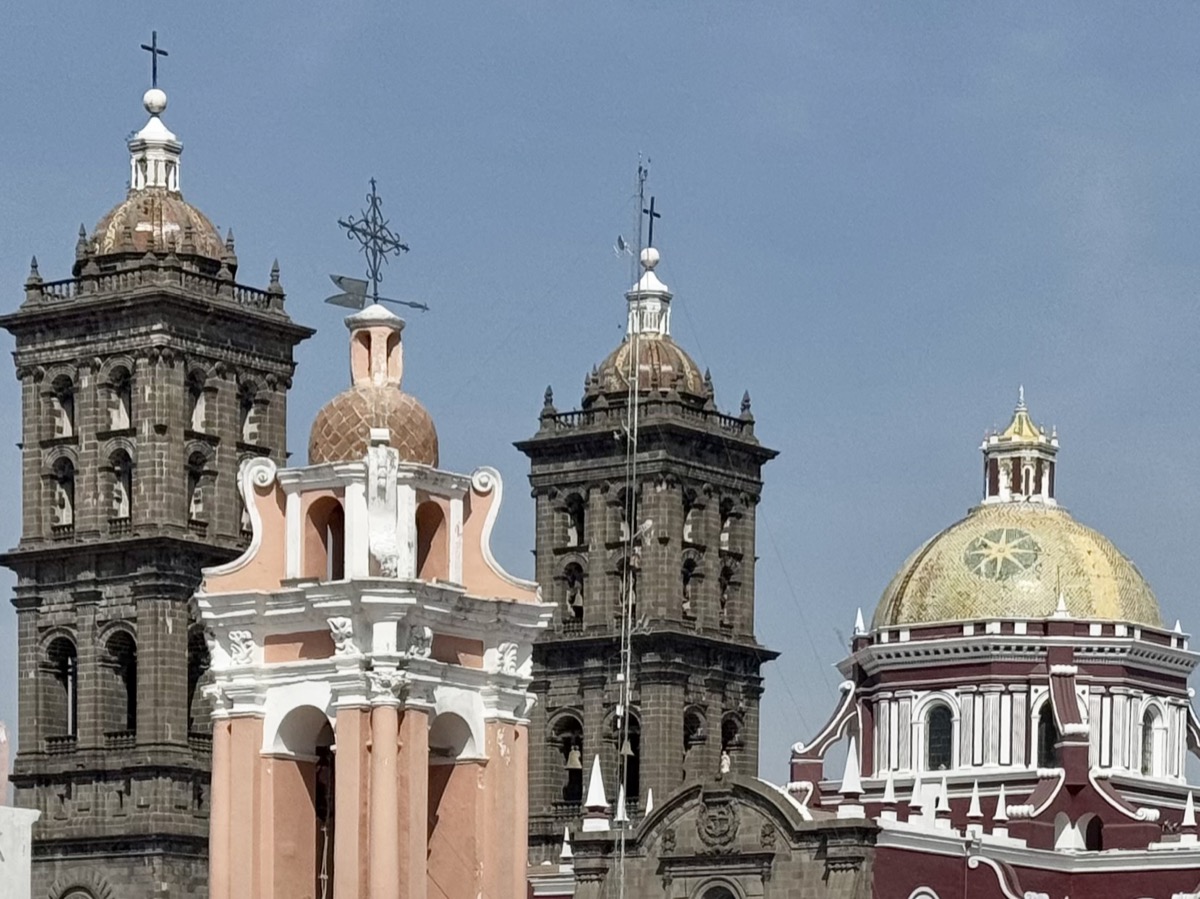
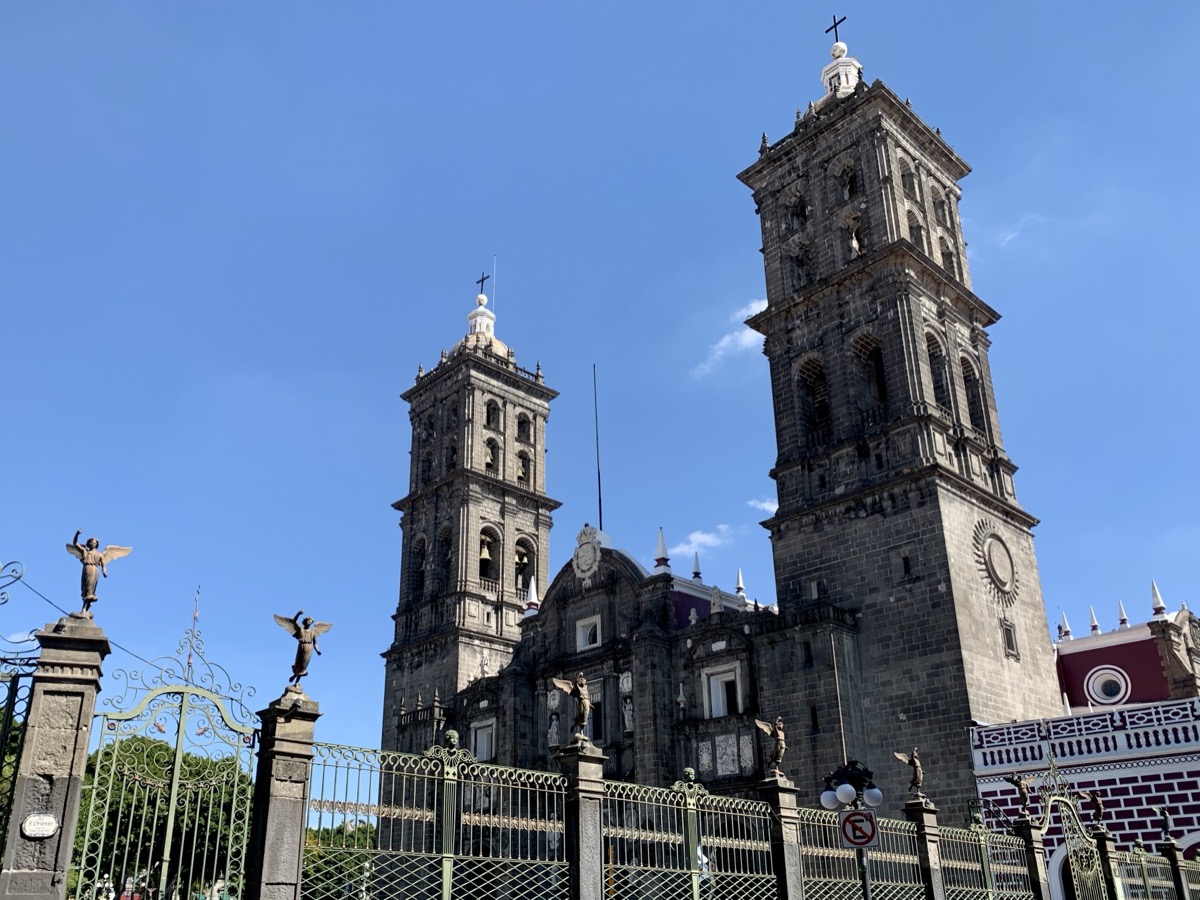
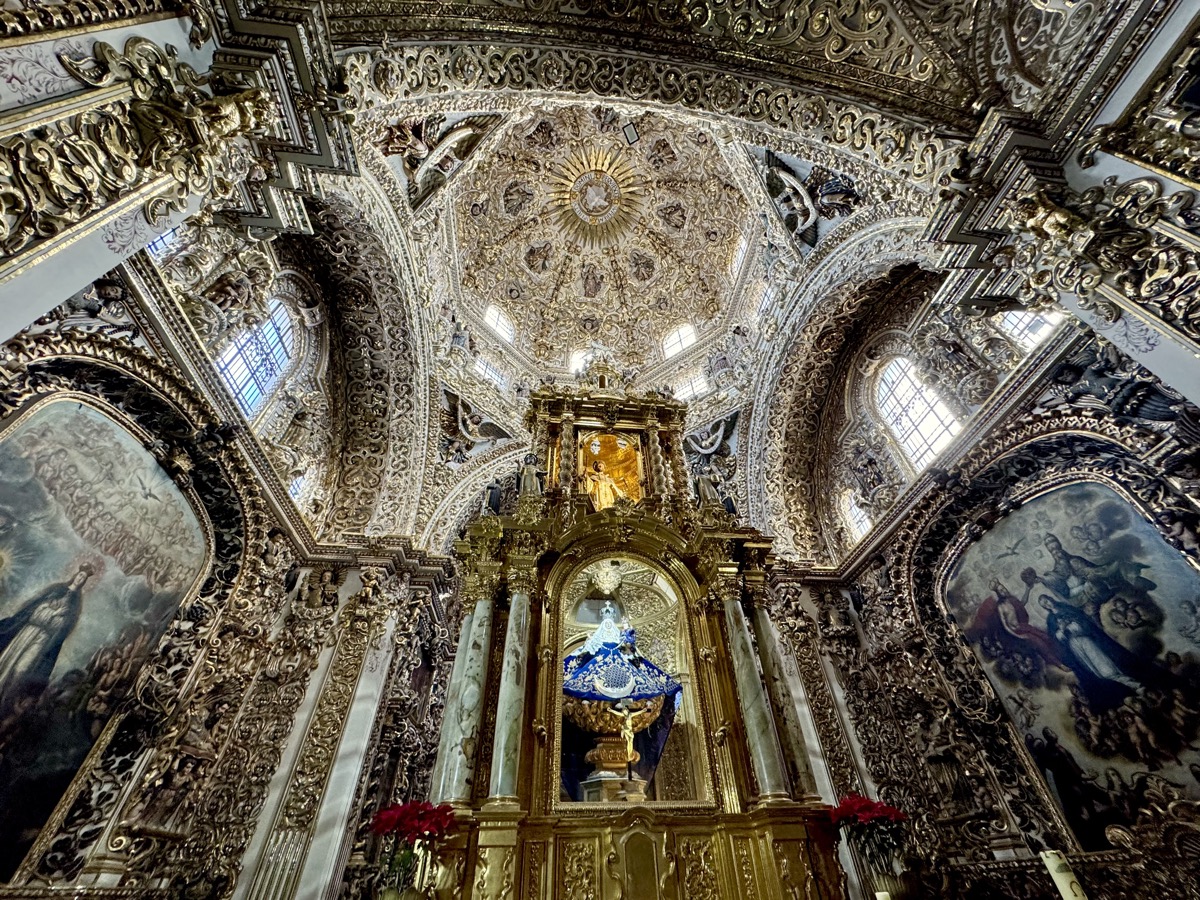
Next longer stop was at Basilica Cathedral. After a loop around the main plaza we walked along Avenida 5 de Mayo and other streets to Mercado la Victoria and Ex Convento de Santa Rosa (museum) – the place where mole poblano was invented, and beyond. This part of town looks like never ending street market. Puebla has many churches, most in ornate baroque style, we managed to visit only several. Our next main destination was Capilla del Rosario at Templo de Santo Domingo.
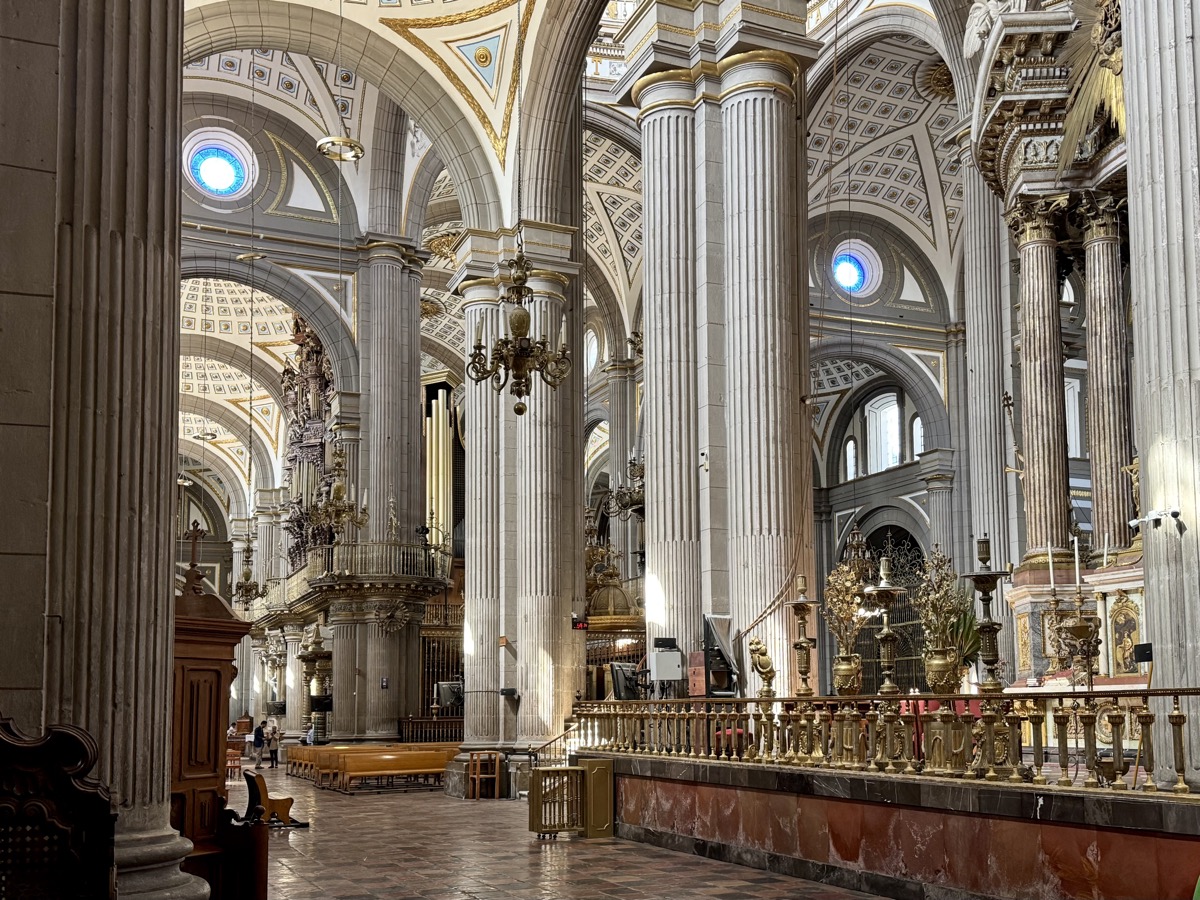
Capilla del Rosario – New Spanish Baroque.
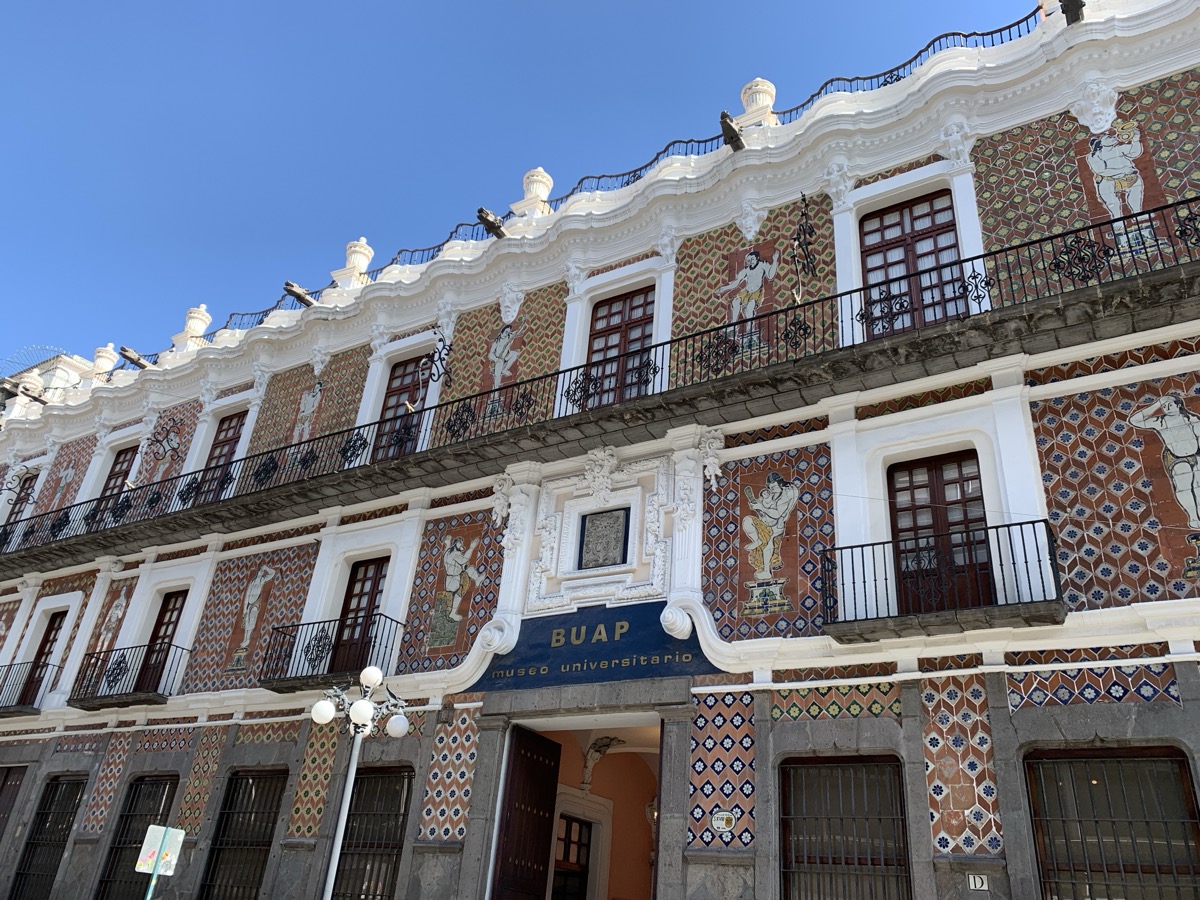
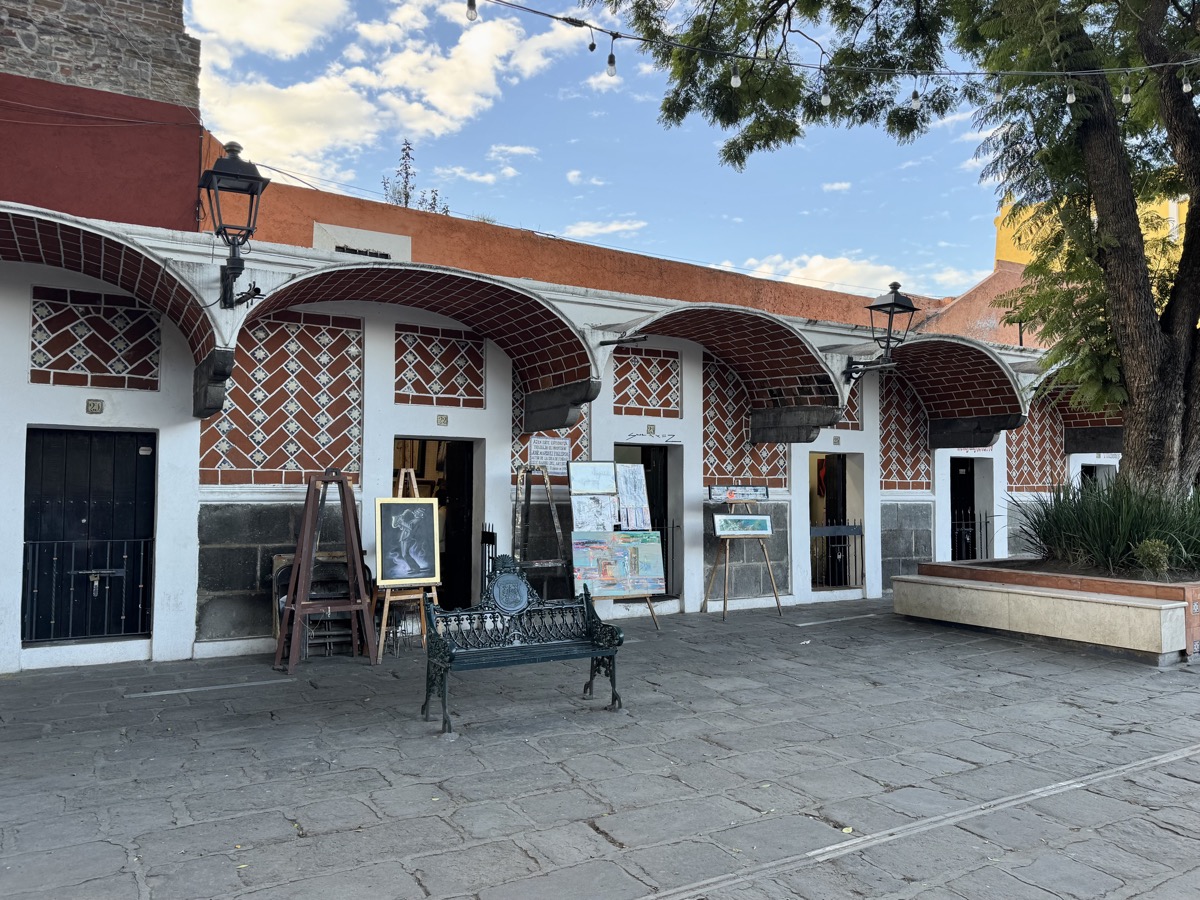
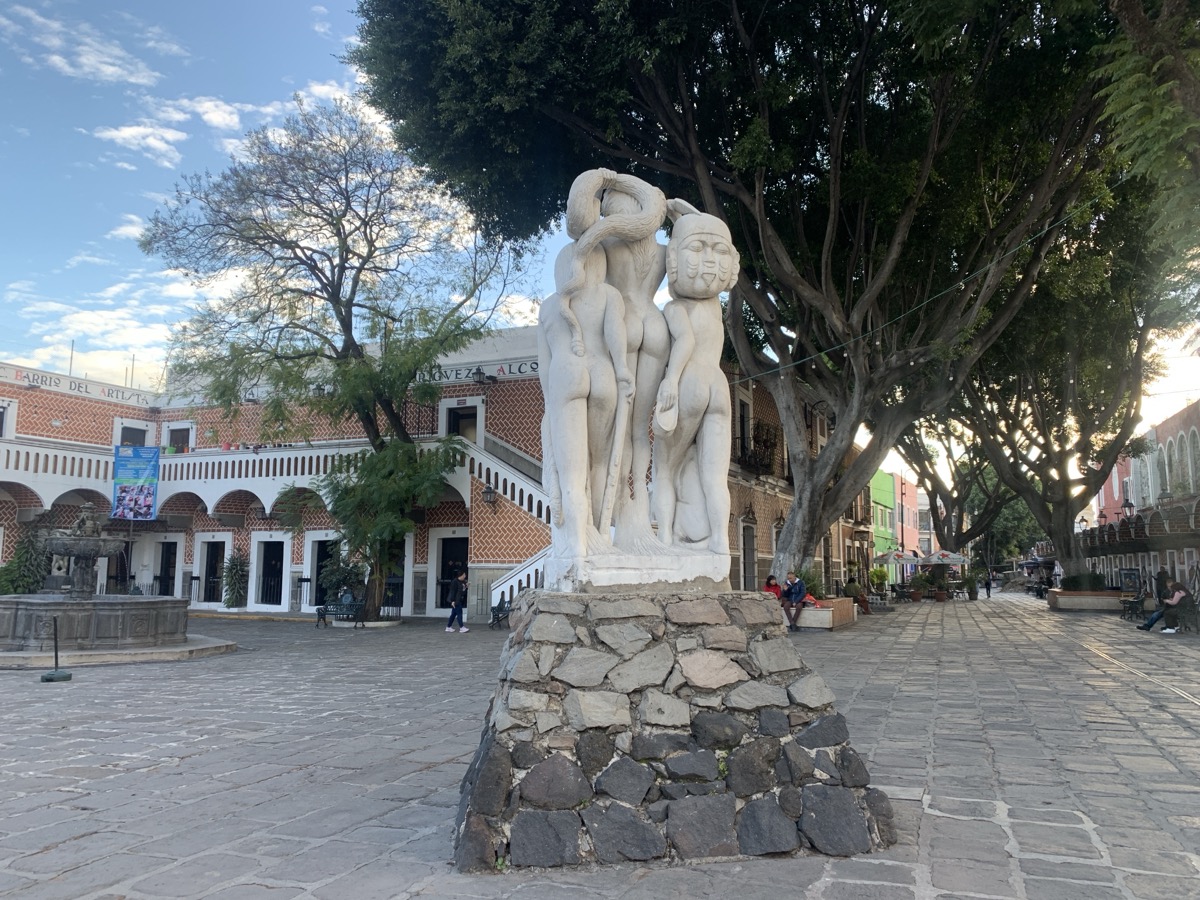
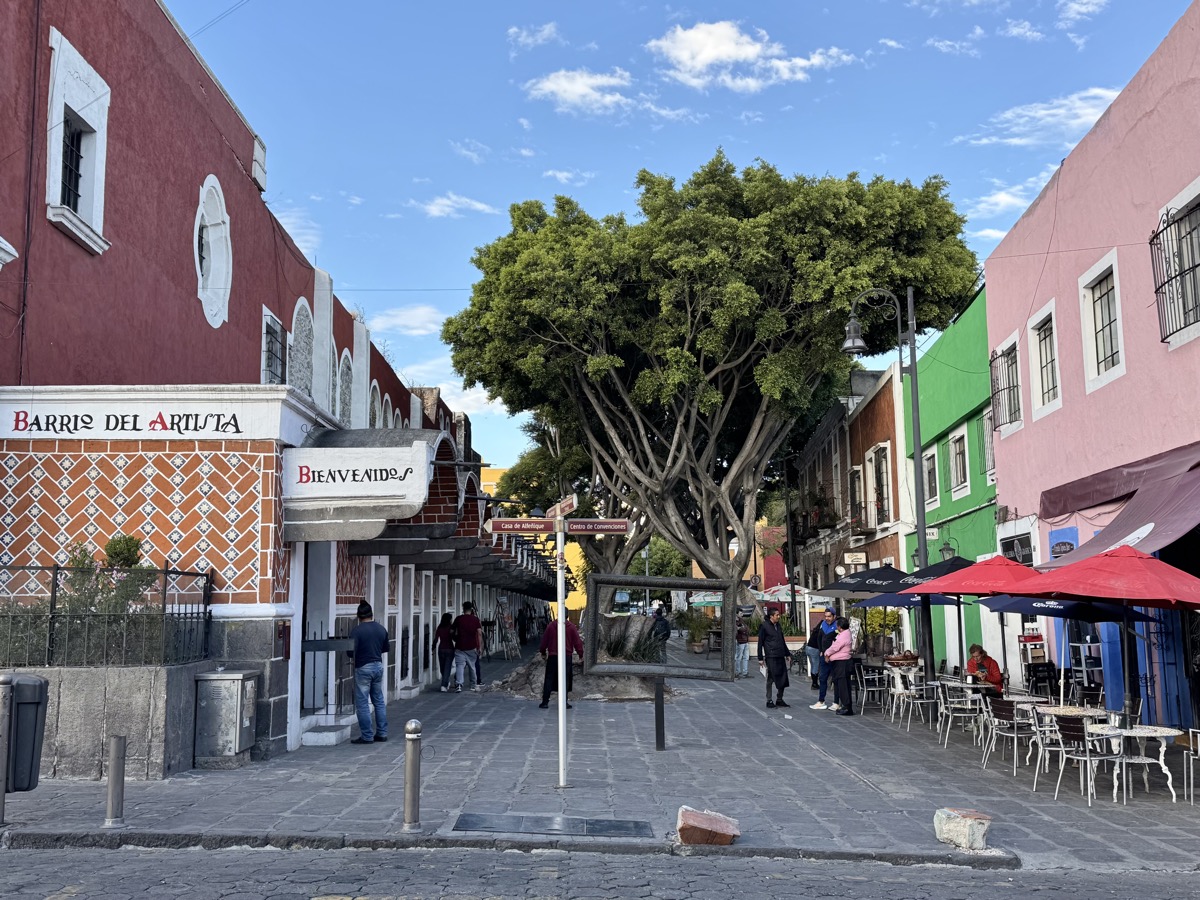
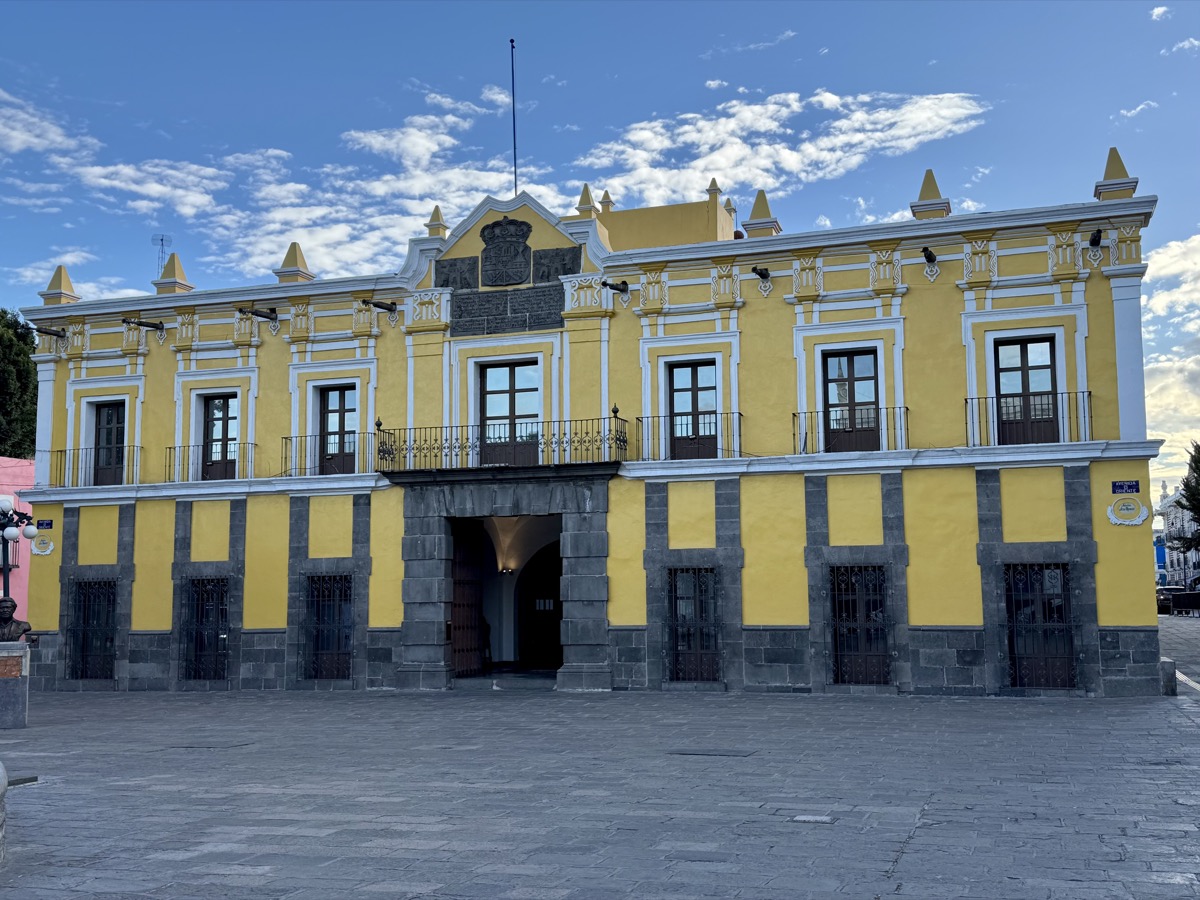
We then made a loop a few blocks west to Teatro Principal, Casa de Alfeñique, Callejón de los Sapos, Cathedral and Calle 16 de Septiembre back to our hostel. With a short side “excursion” to supermarket Soriana to get groceries. Historical center is compact and very nice and easy to walk.
Day 3.

Cholula. It is just 12-km ride (we considered a bus but took inexpensive Uber) from Puebla to Cholula – city with long pre-Hispanic history hidden underneath later structures. Cholula, some claim, is the oldest continuously inhabited city in Americas. Cortez destroyed its 400 temples and replaced them with 365 churches (legend not quite true, but there are many).

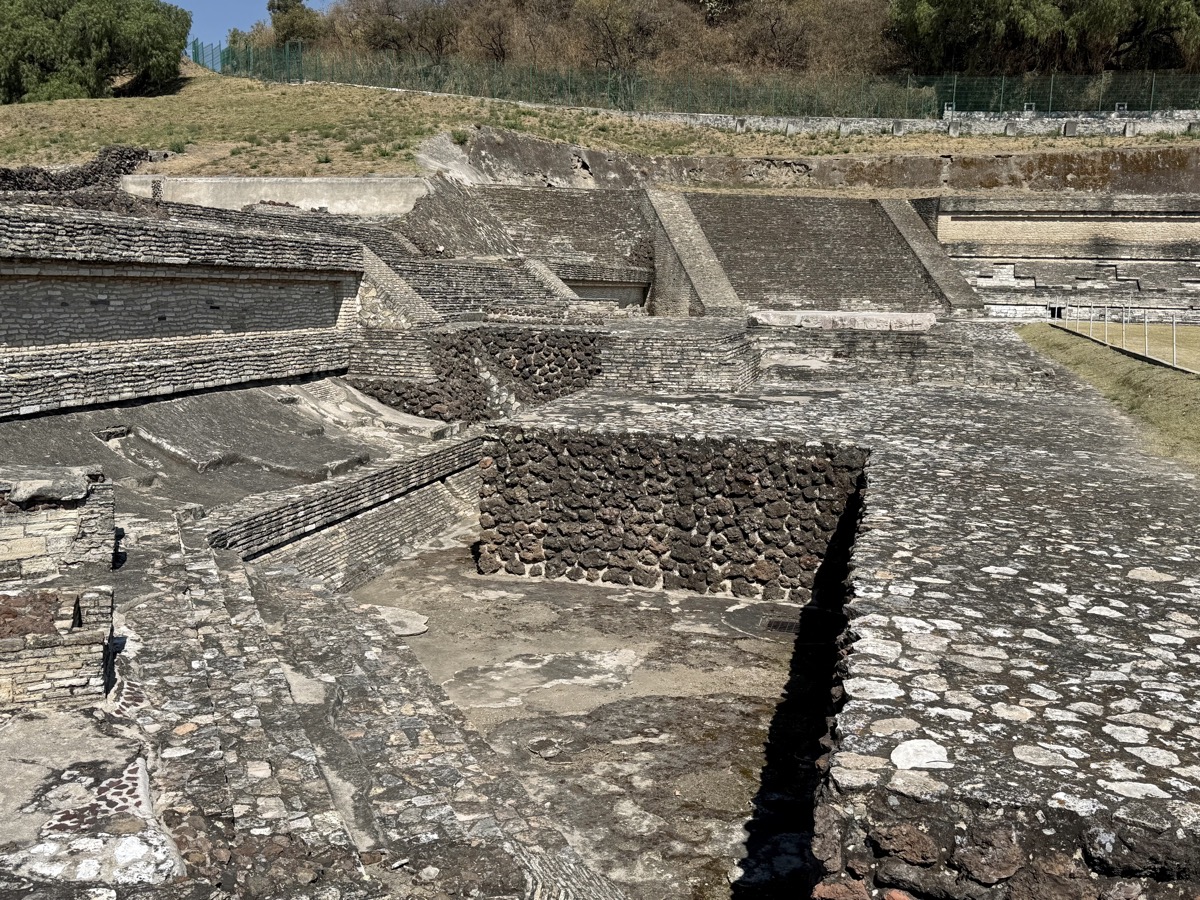
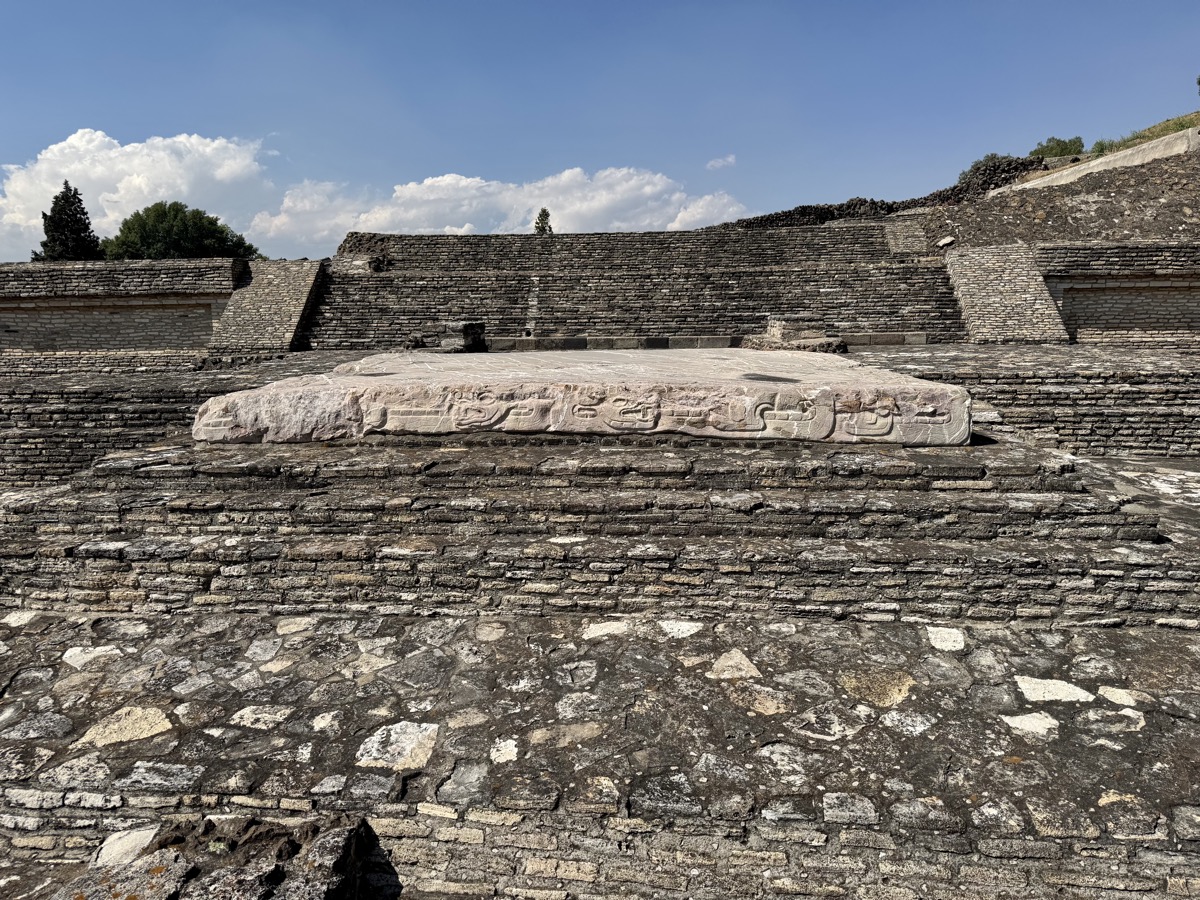
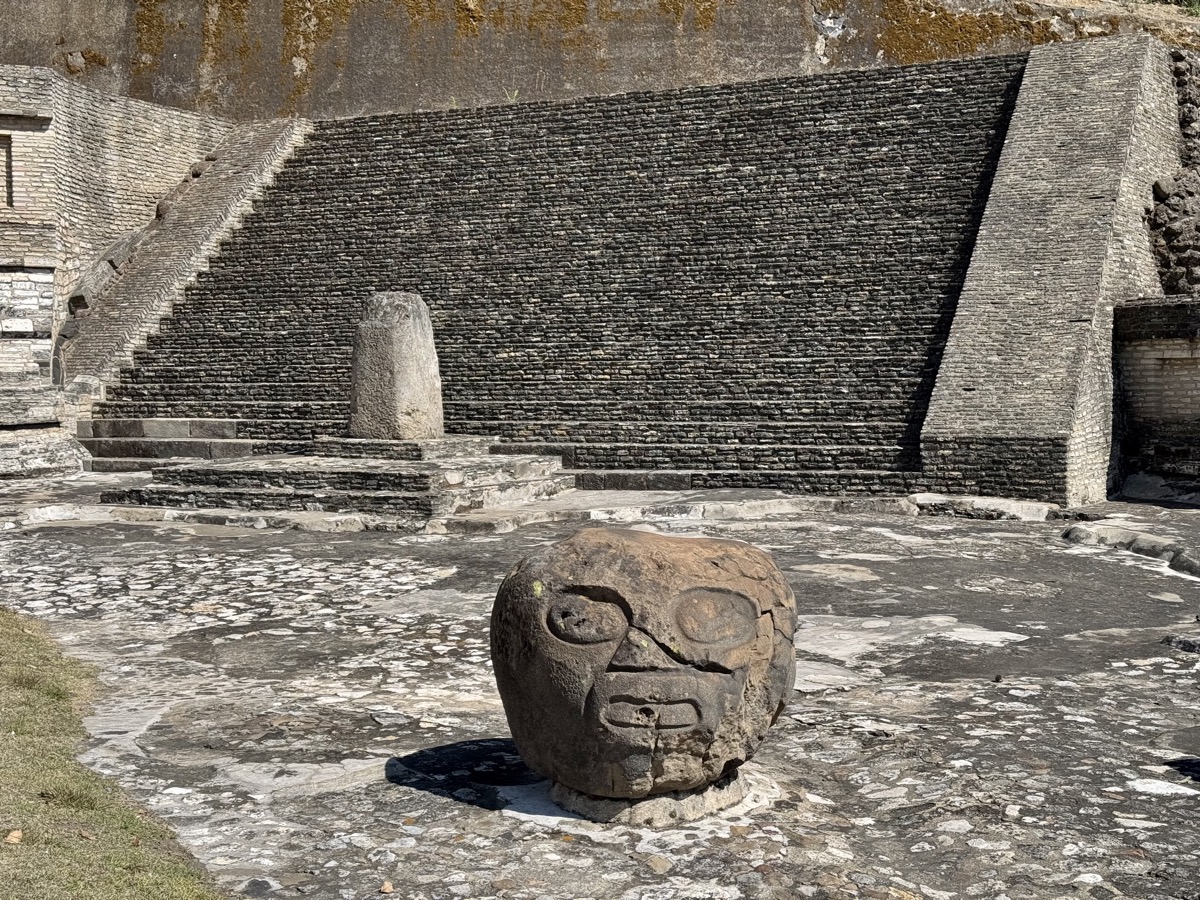
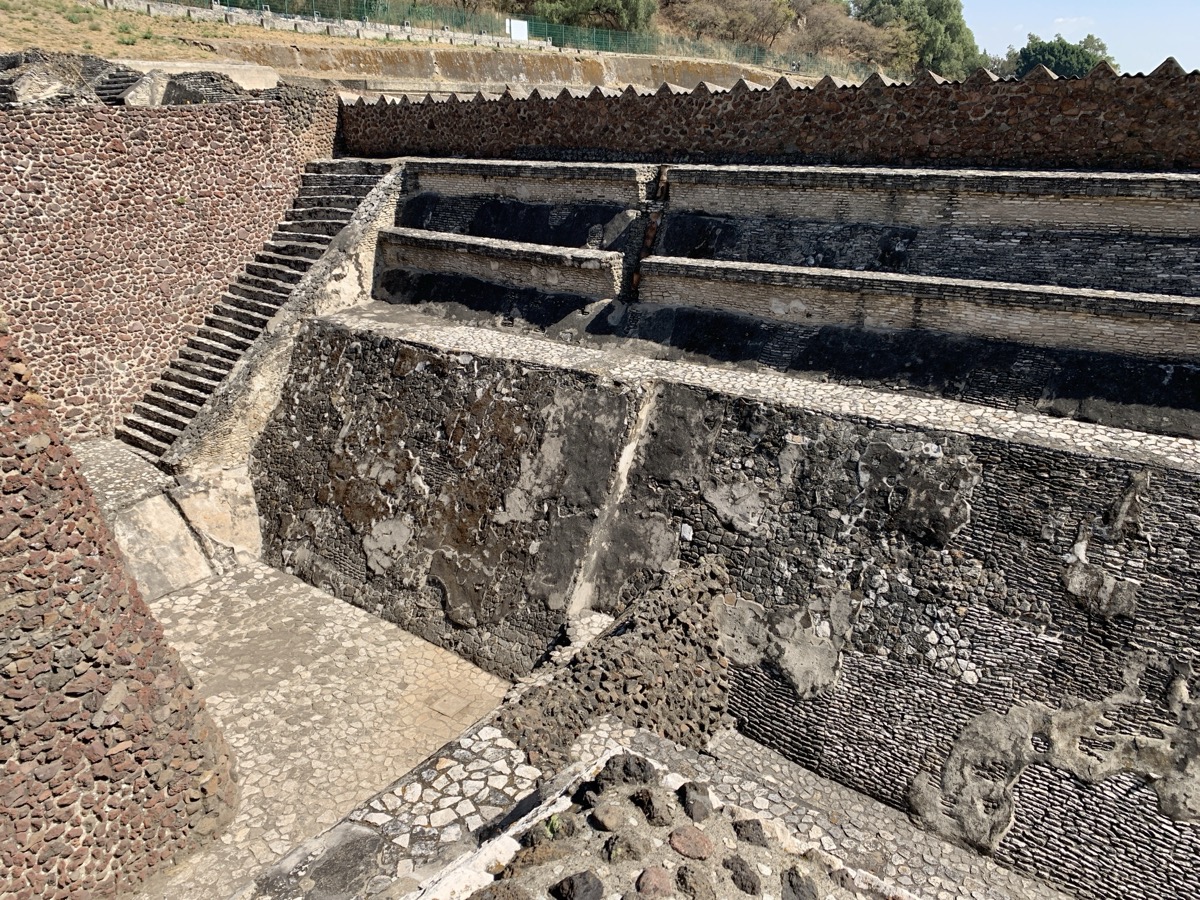
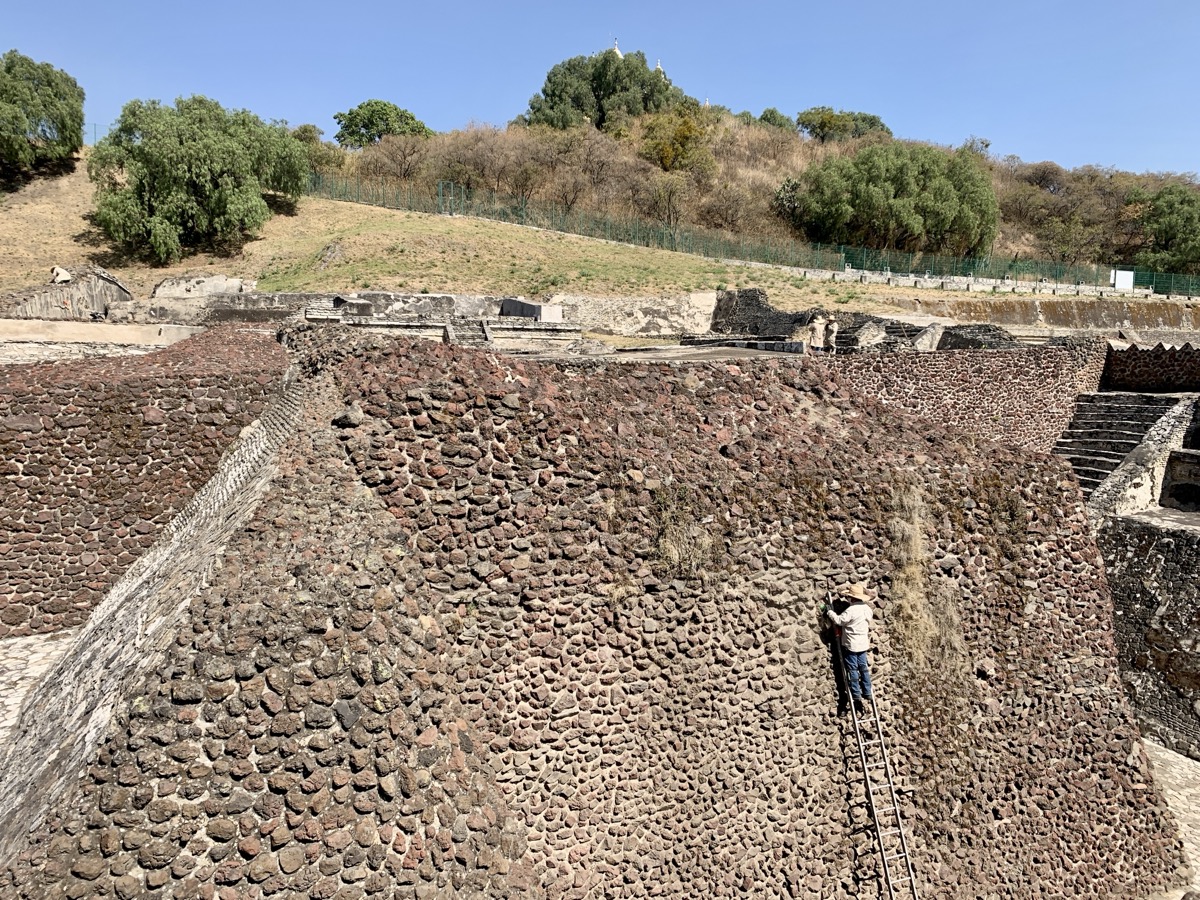
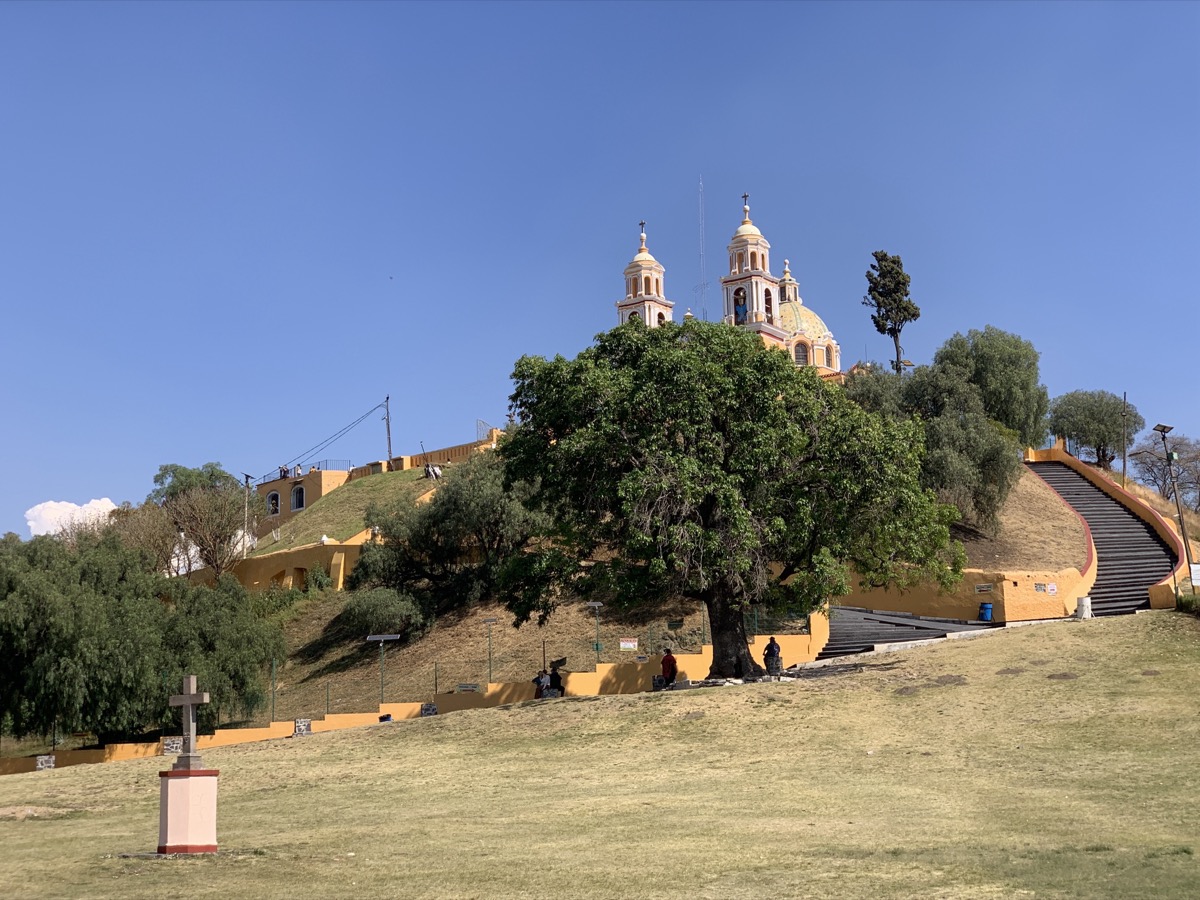
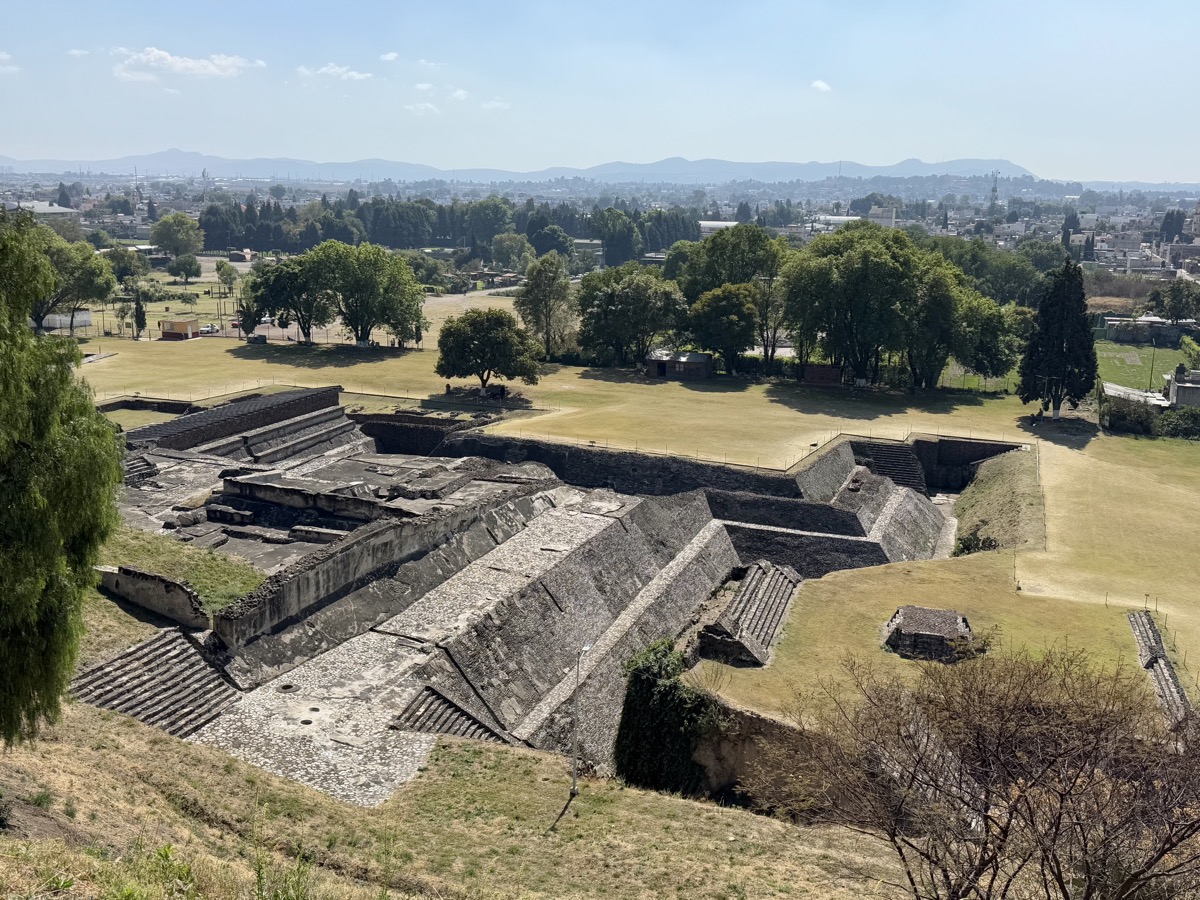
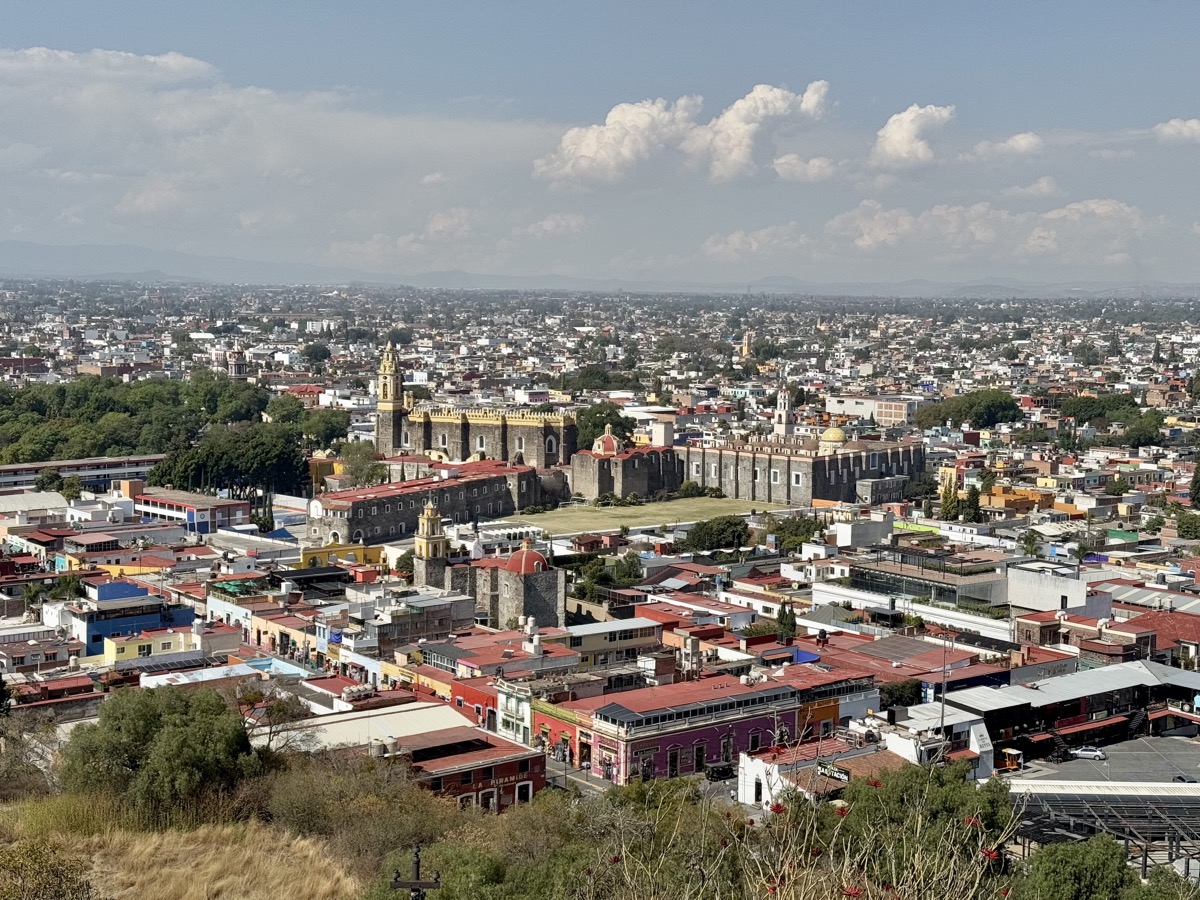
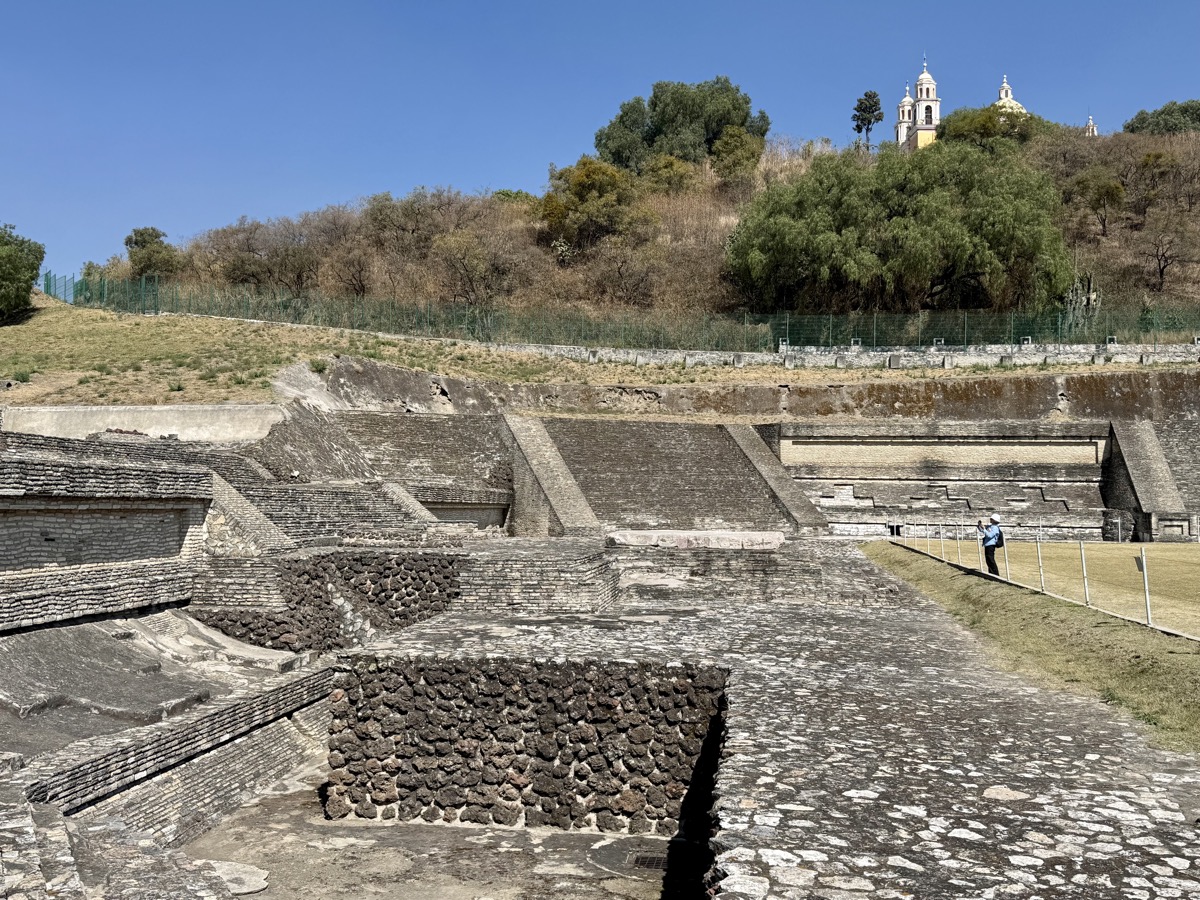
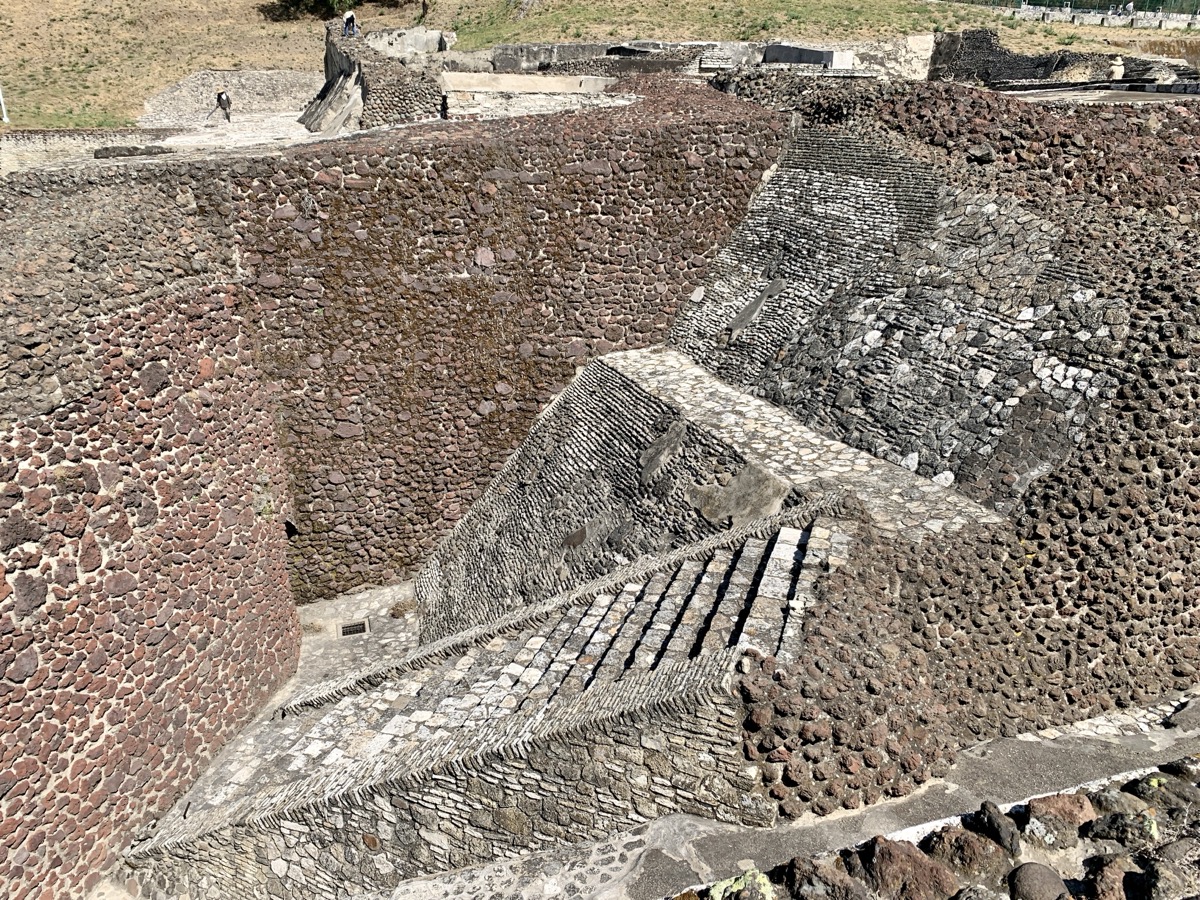
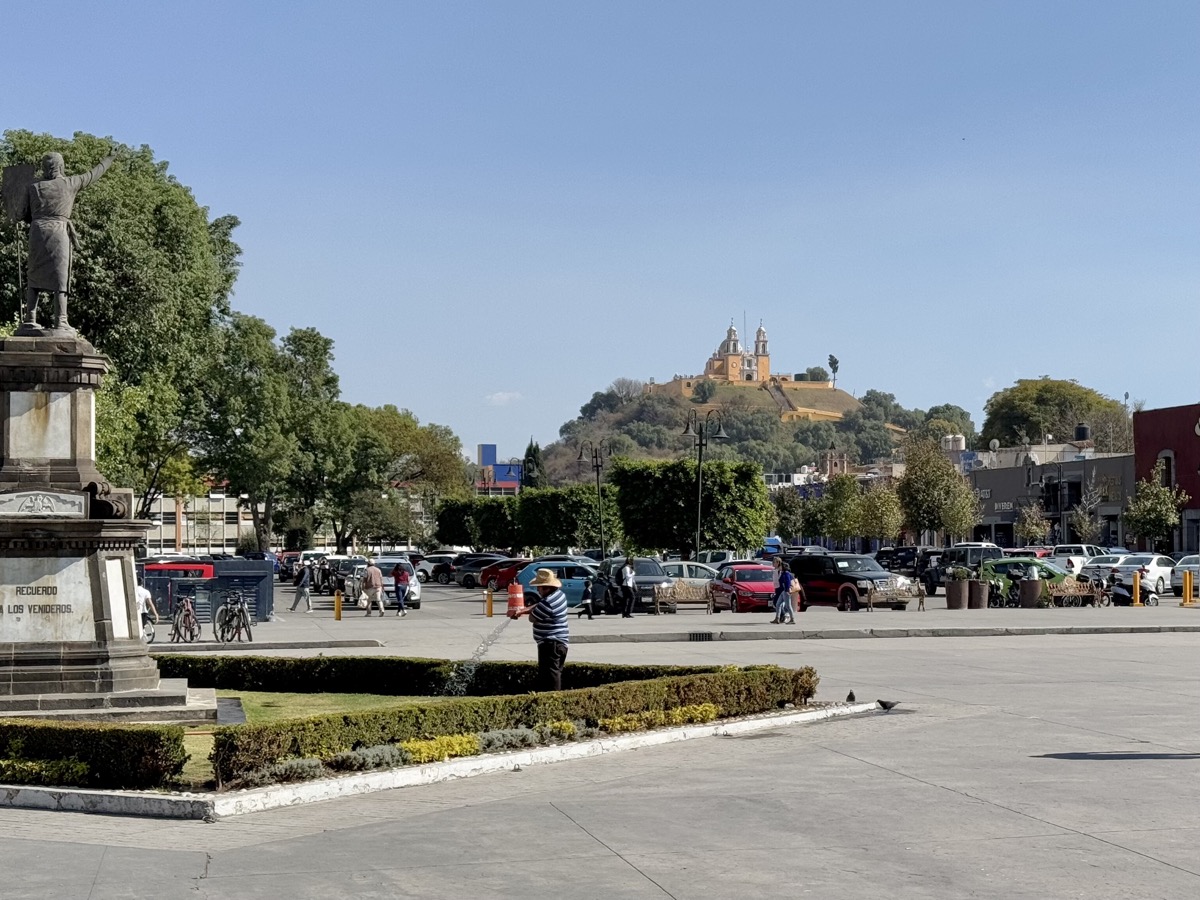
We stopped briefly at Museo Regional to get introductory info and soon entered Zona Arqueológica of Tlachihualtepetl (Great Pyramid). It is the largest pyramid by volume ever built, but you cannot really see it, as it is mostly unexcavated. Typical for Mexican pre-Hispanic temples, it has several nested layers built over time. We spent some time investigating exposed/rebuilt parts of the pyramid (unfortunately archeological tunnels have been closed since Covid) and then walked to Iglesia de Nuestra Señora de los Remedios on top of the “hill”, with great views of the city. As the history goes the Great Pyramid was abandoned for a while by the time of the Spanish conquest, as the old city moved to the area where the main plaza is today. Nothing (visible) survived there from pre-Hispanic times.
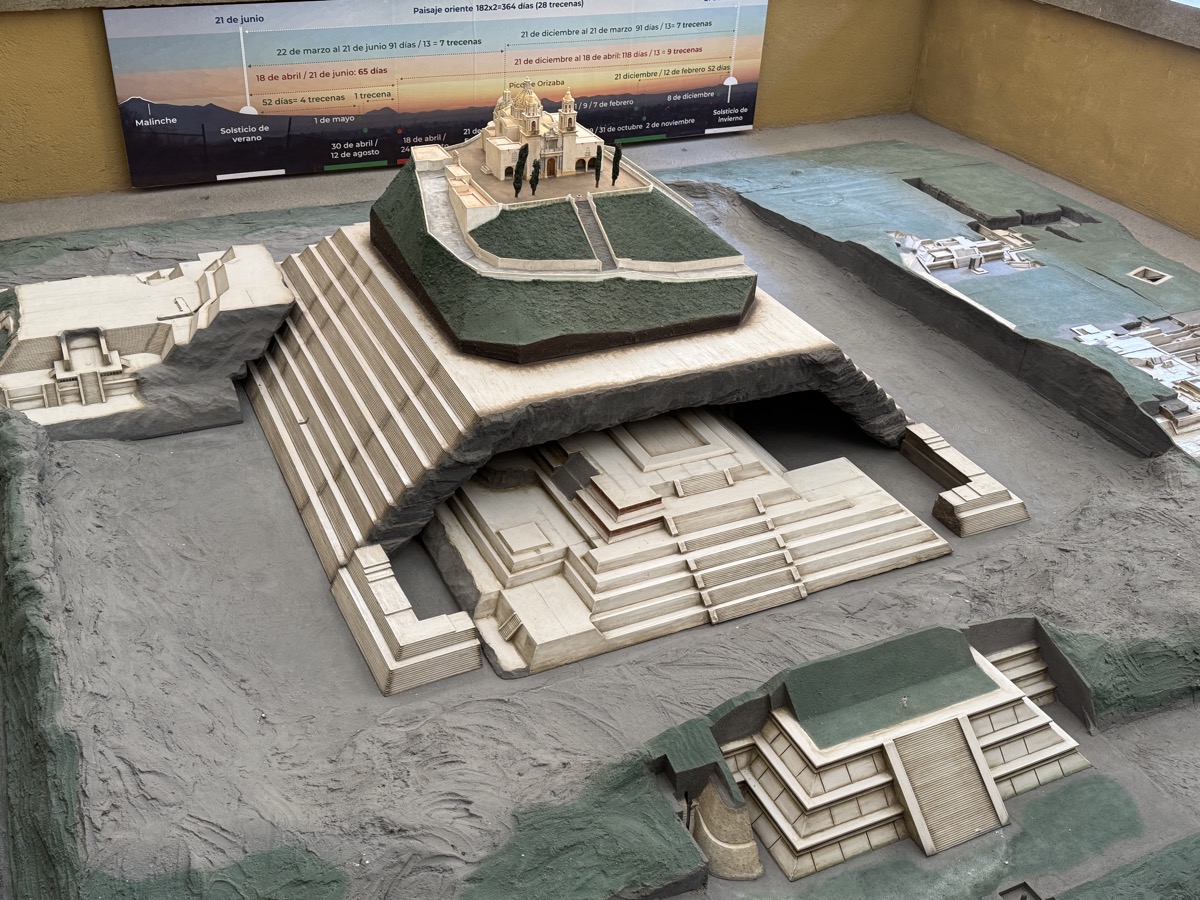
Cholula is one of Pueblos Magicos, which we imagined as small towns, but they are large cities. As we walked over the hill to the other side we were in different world.
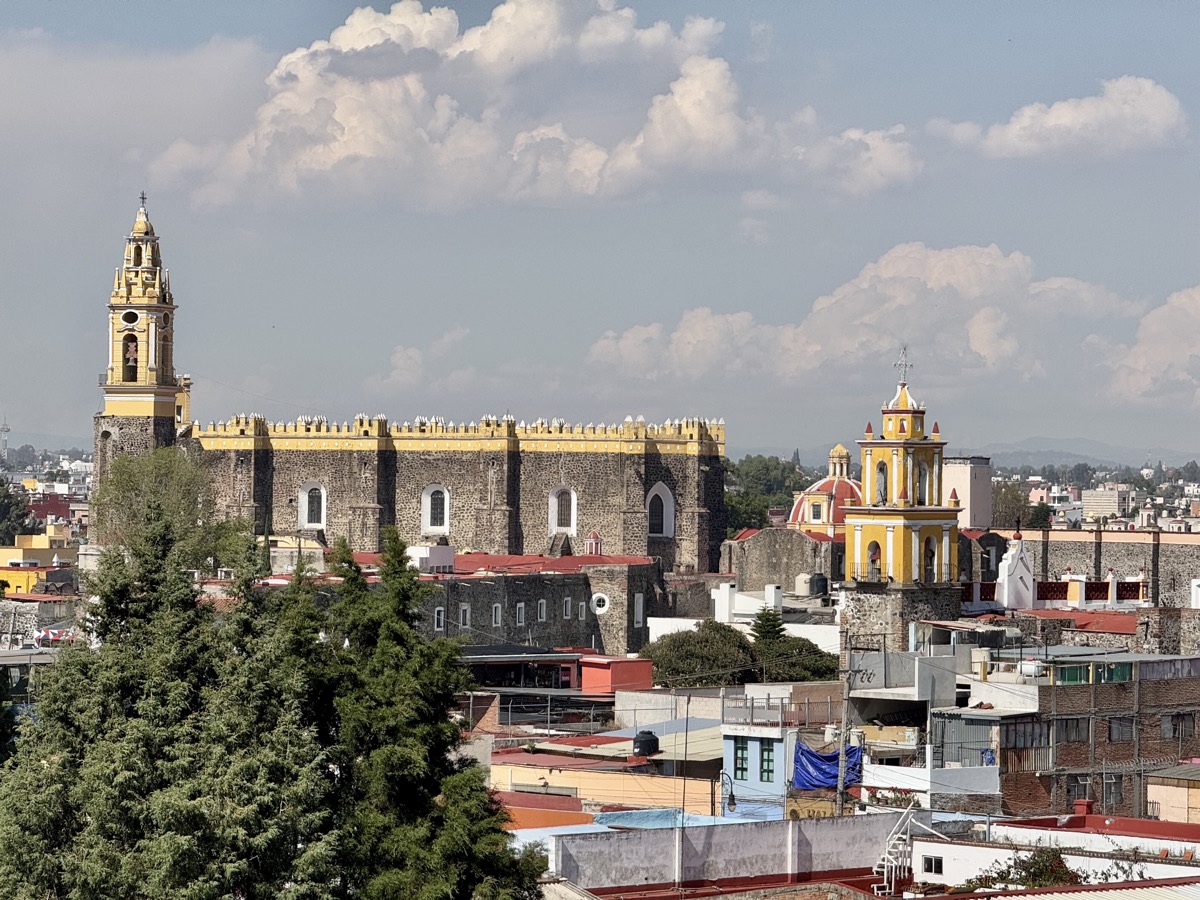
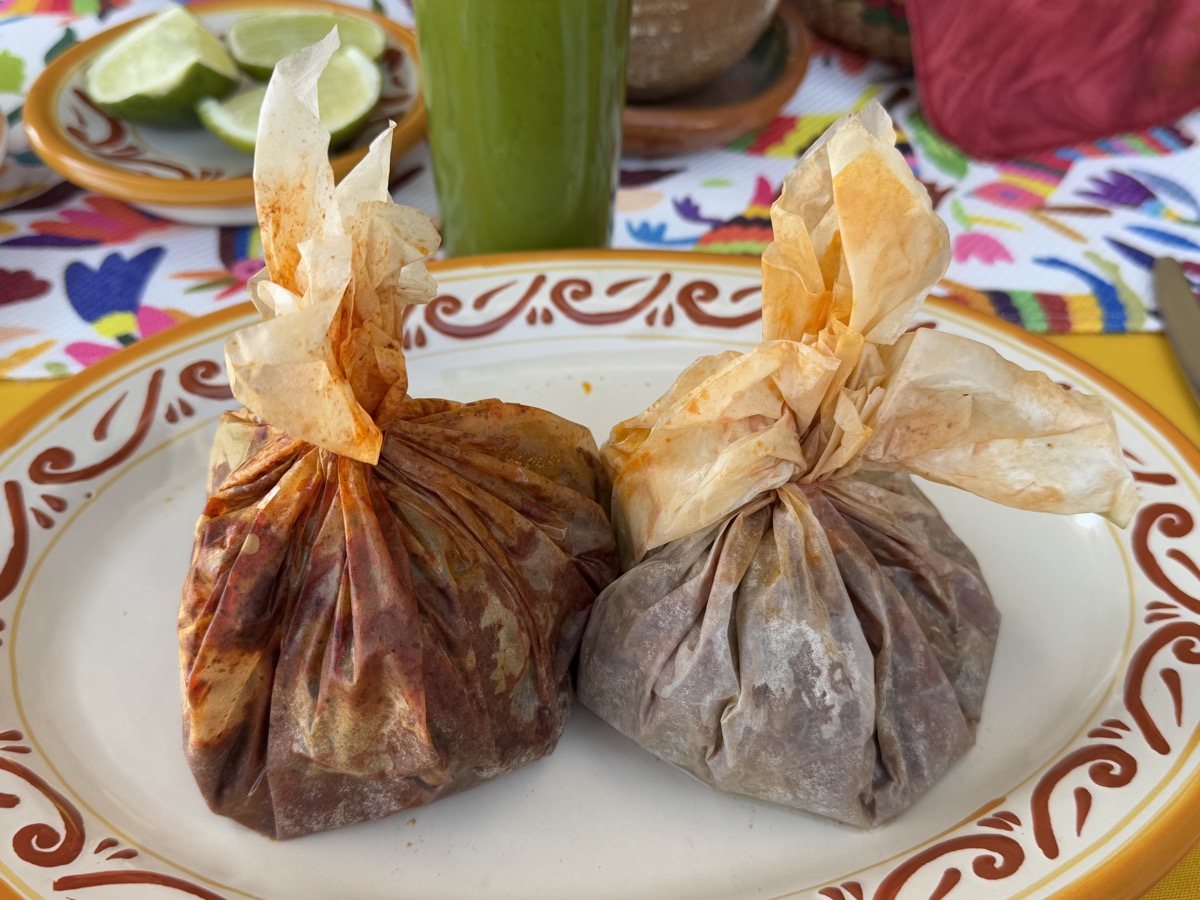
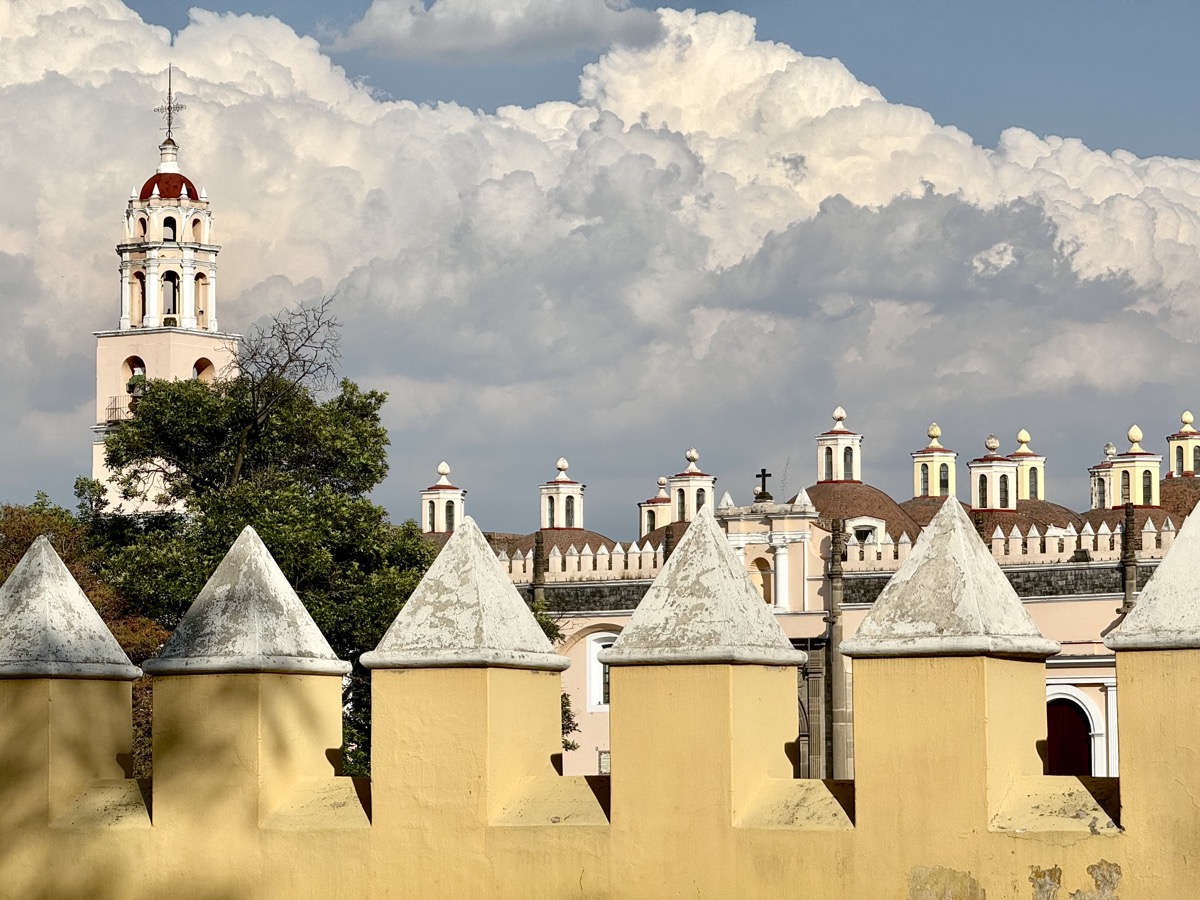
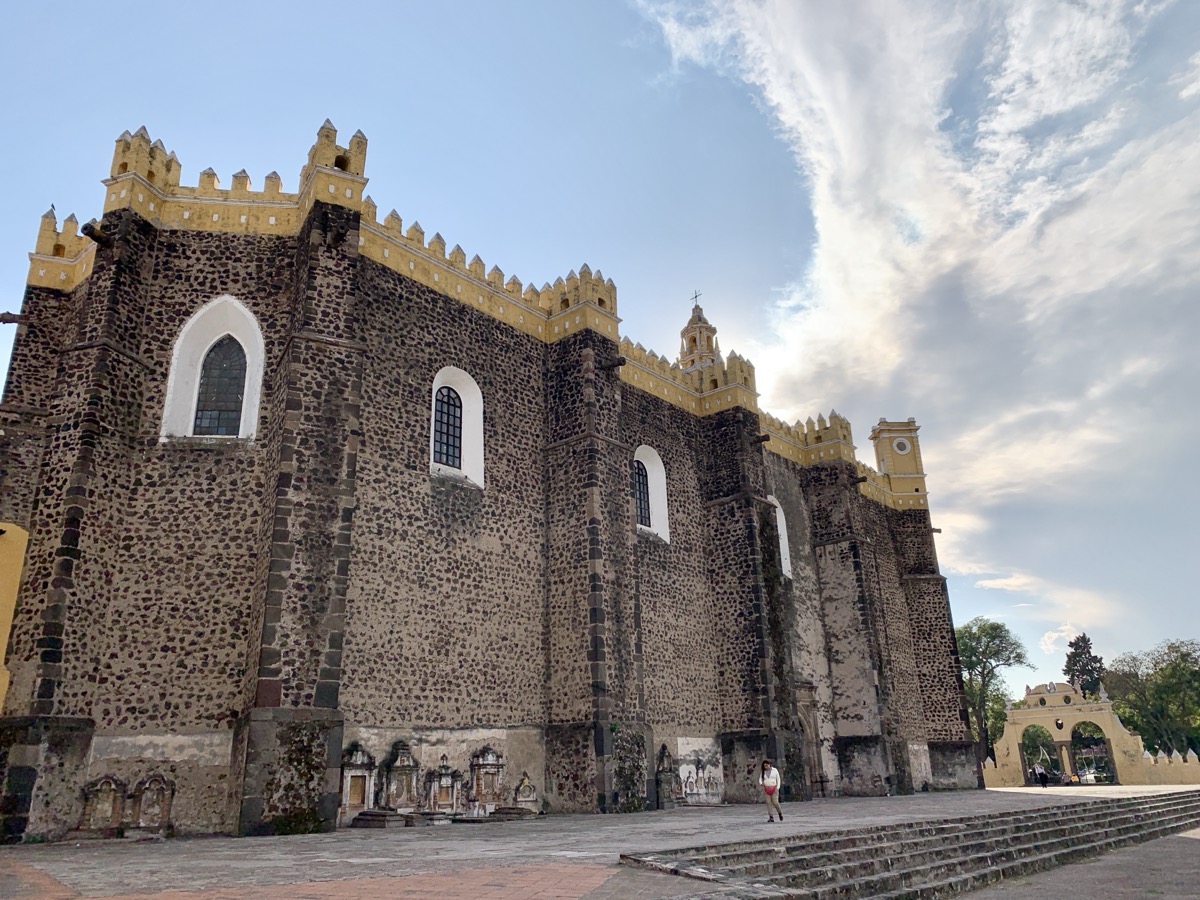
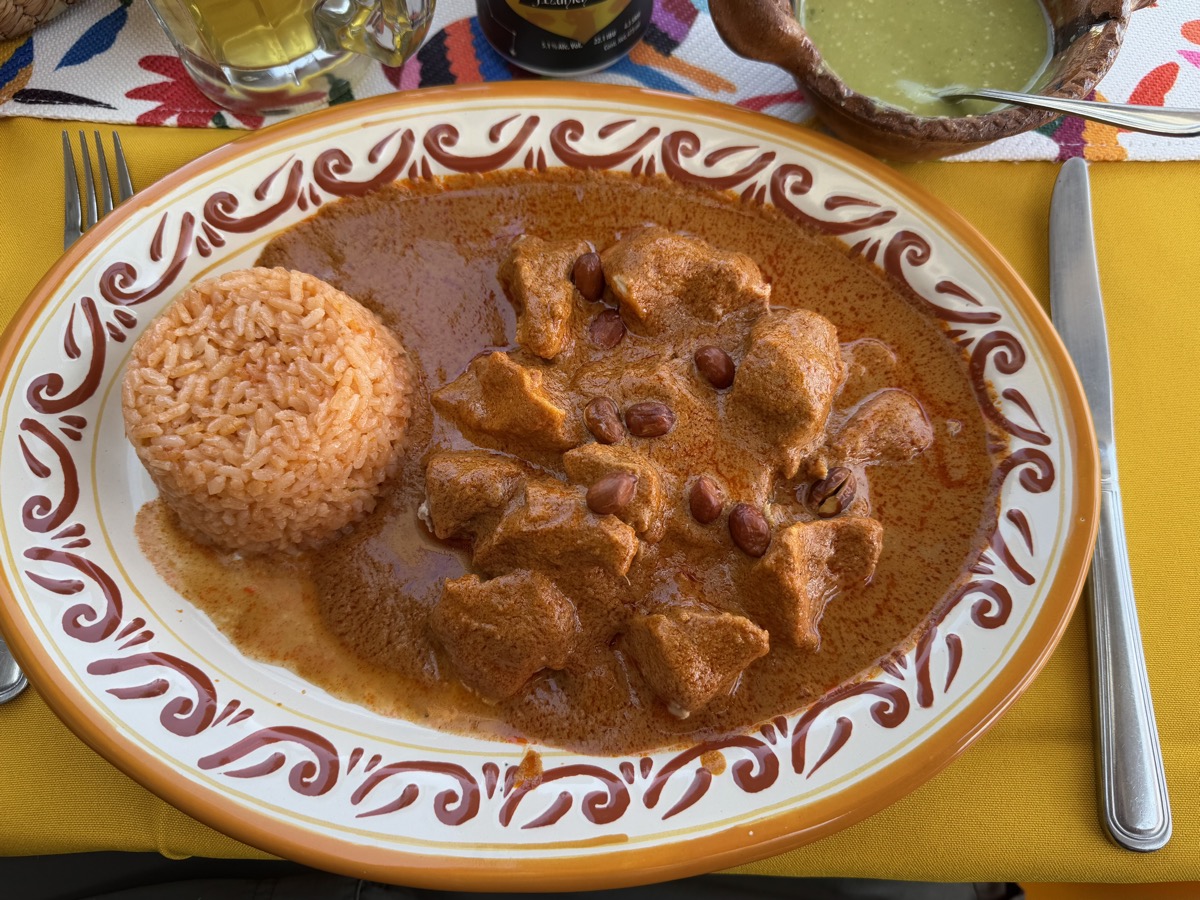
We parked at Restaurante Santa Clara (recommended) on Plaza de la Concordia (Zócalo de San Pedro) for traditional Mexican dishes (Pipián Rojo con Carne de Cerdo and Mixiotes de Res – very tasty). Relaxing and waiting for the gates to interesting Capilla Real de Naturales next to Convento de San Gabriel Arcángel to open. We then walked the streets around town center stoping at Panaderia La Herencia (rolls and sweets for breakfast), Molienda de Cacao to get cacao tostado grains and Caffé Excelto to try Mexican (Veracruz) coffee. We returned to Zócalo and took Uber back to Puebla.
Day 4.

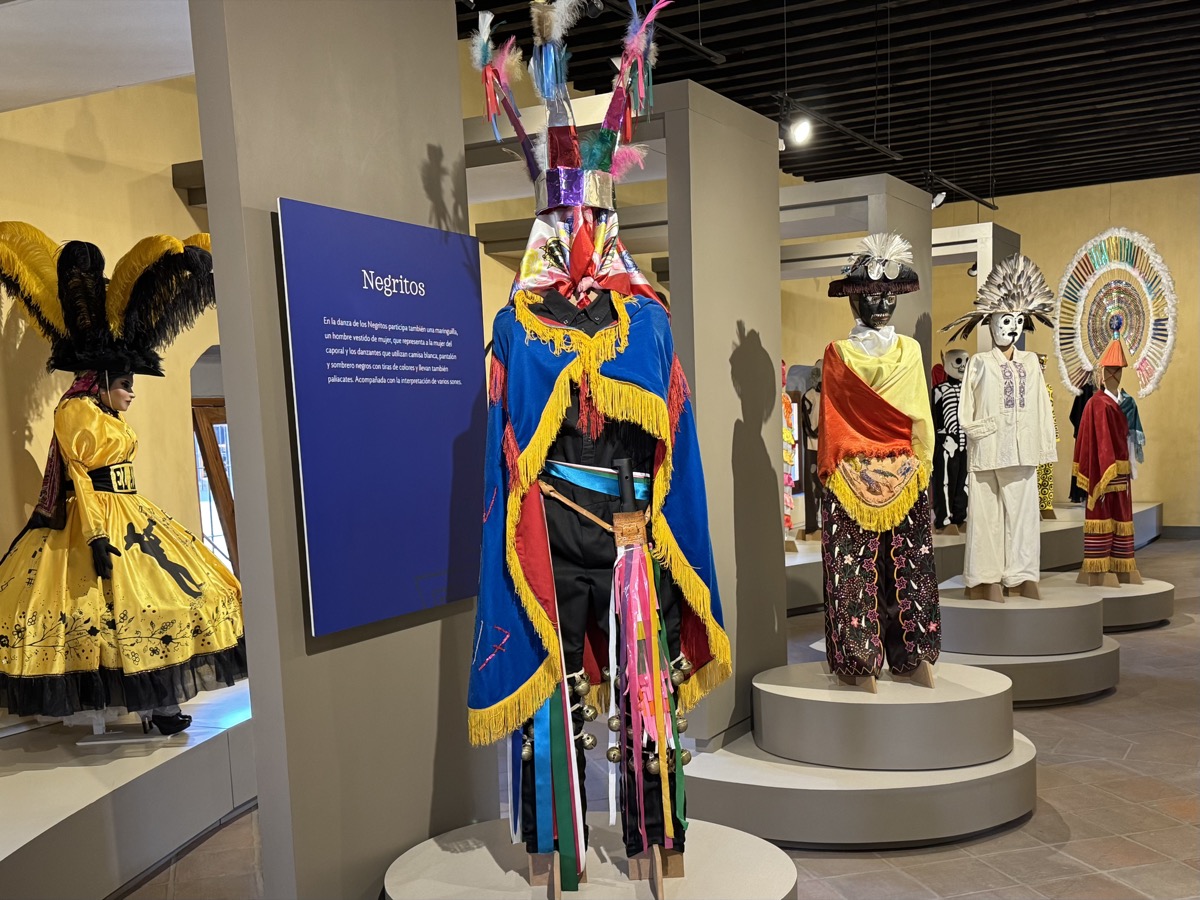
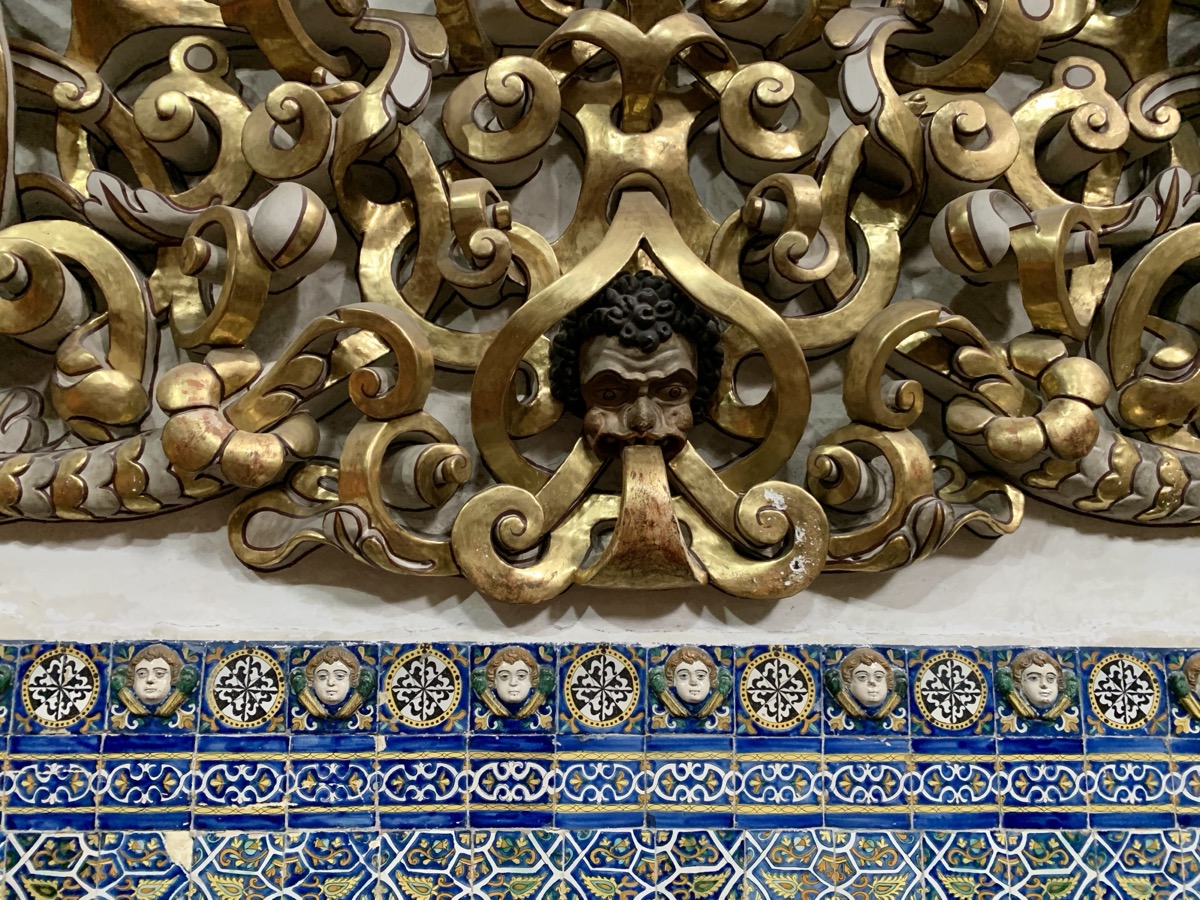
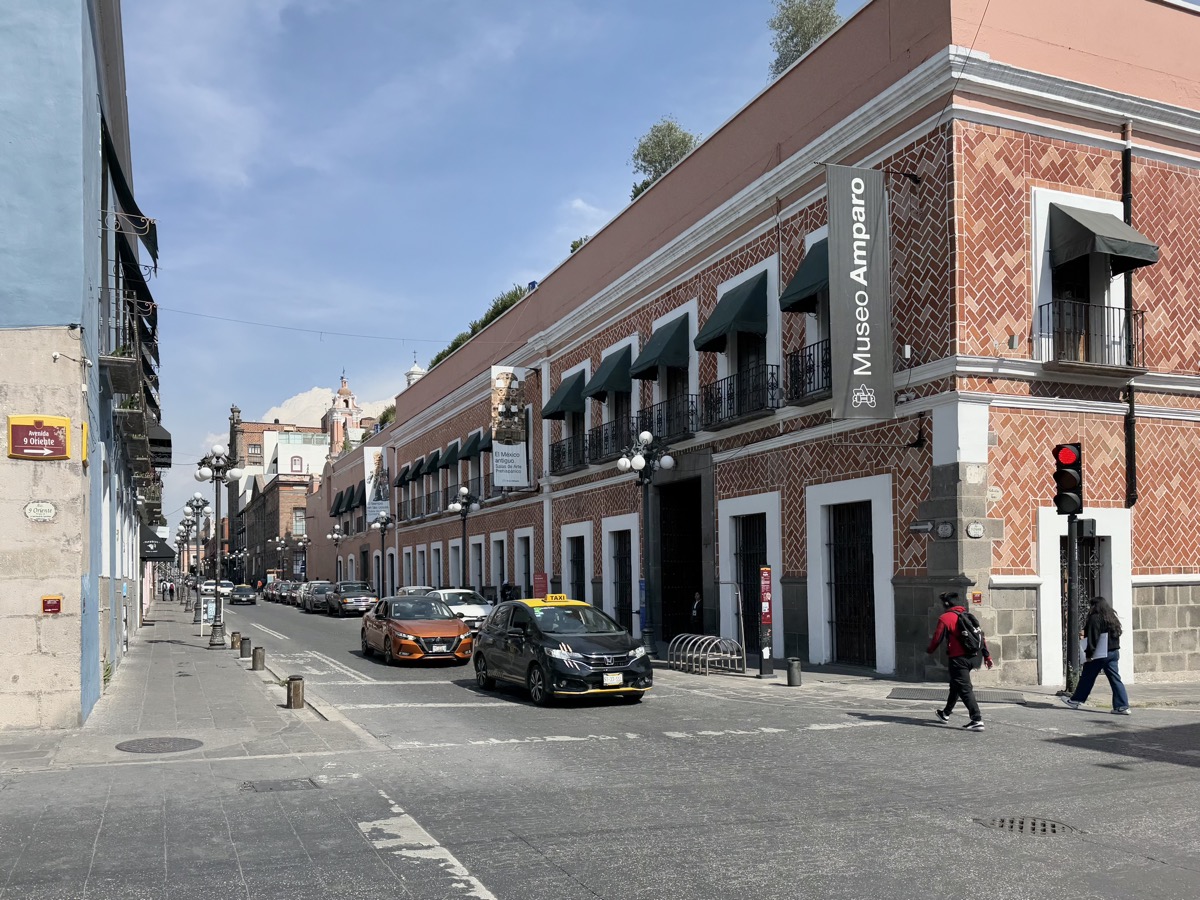
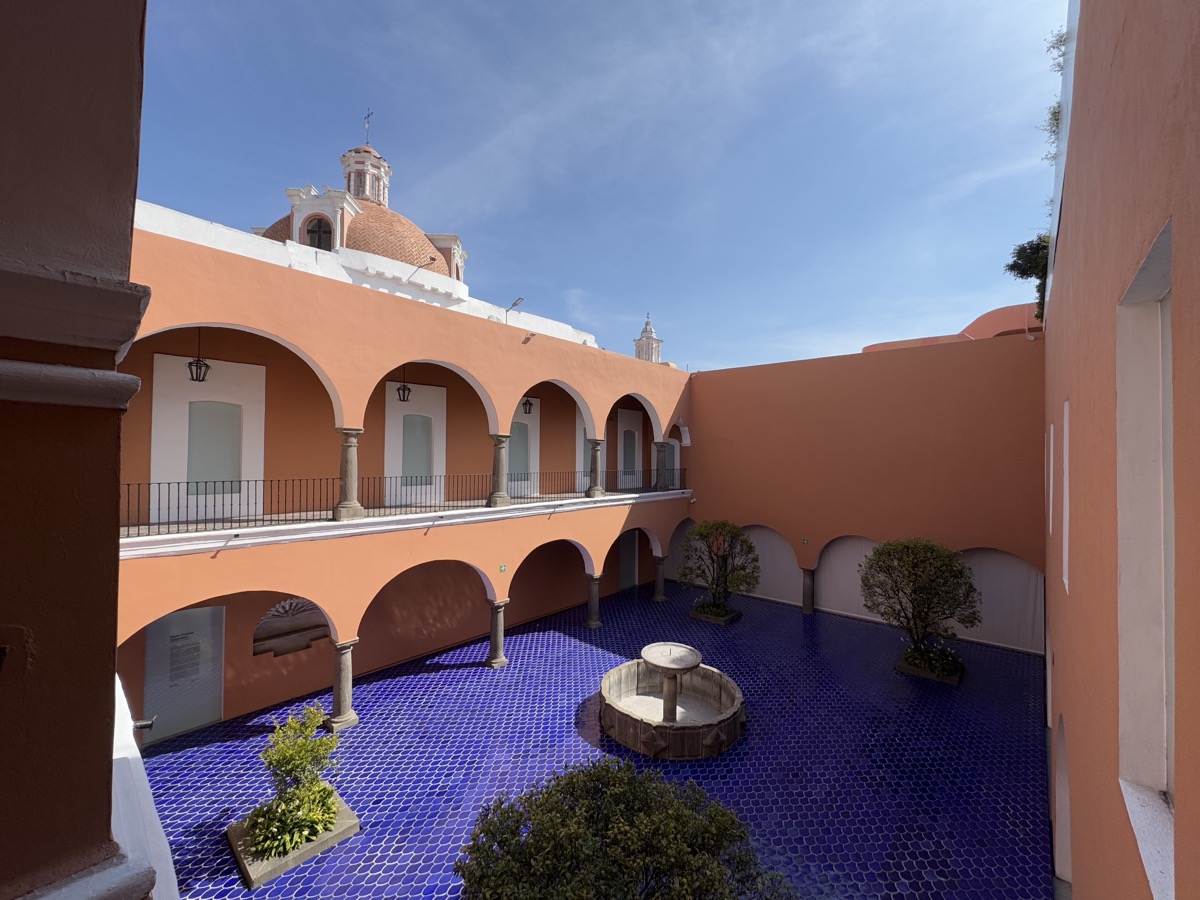
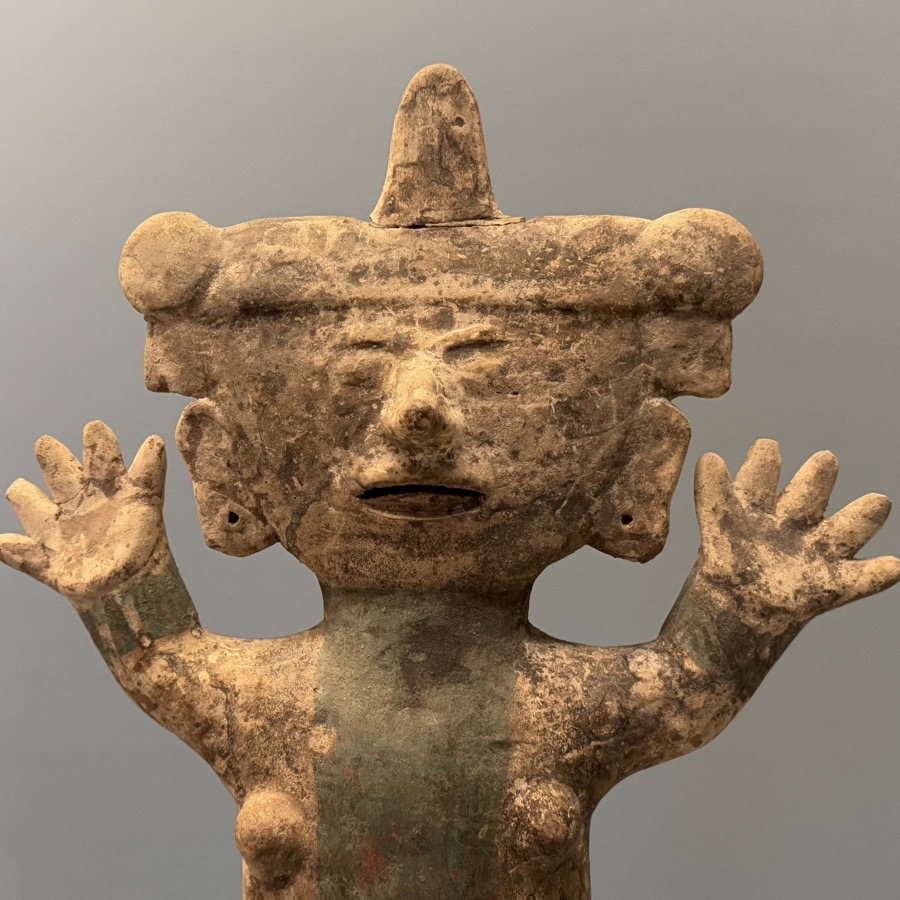
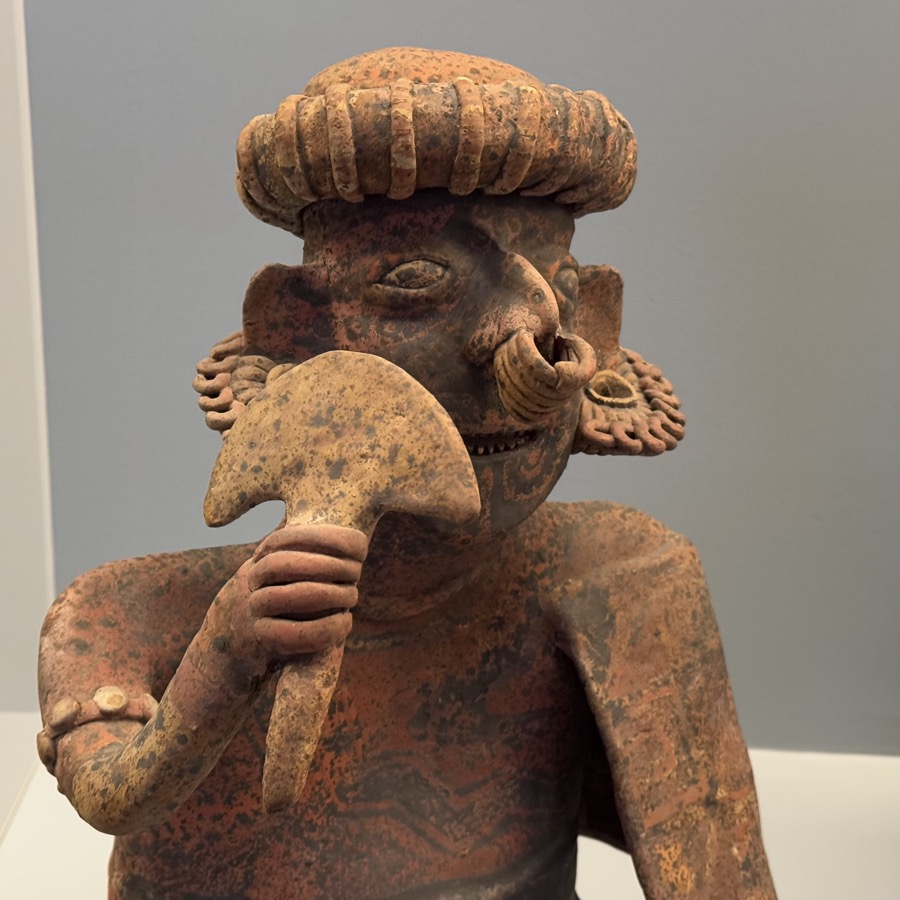
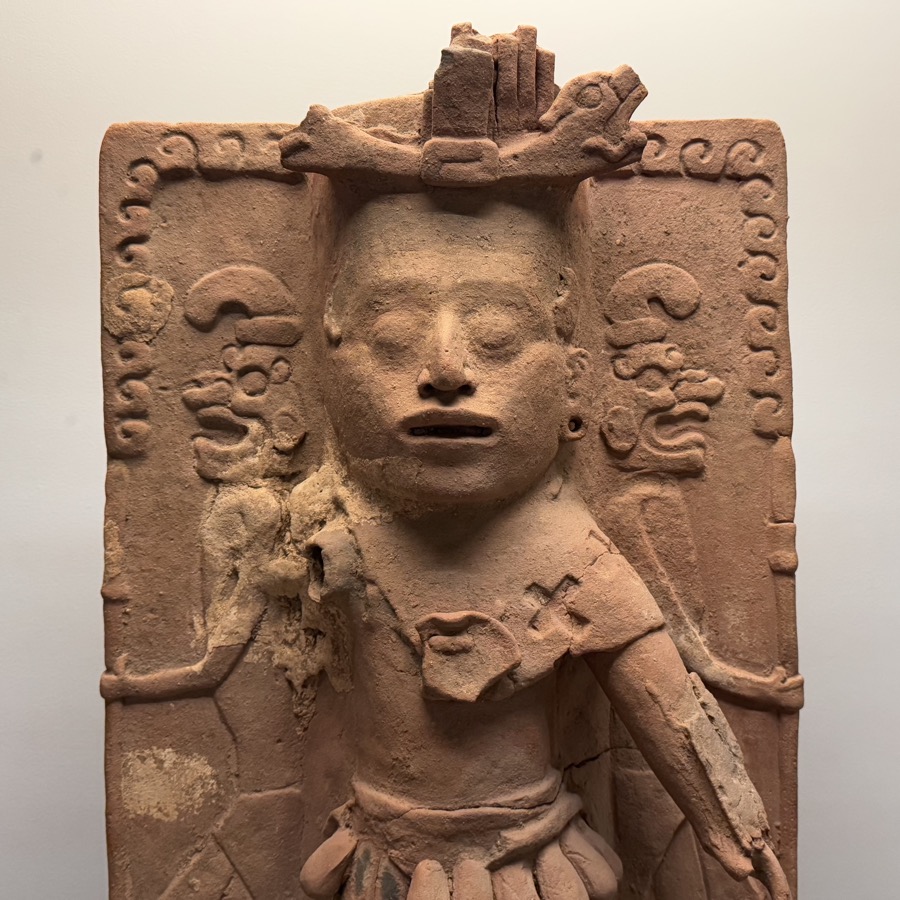
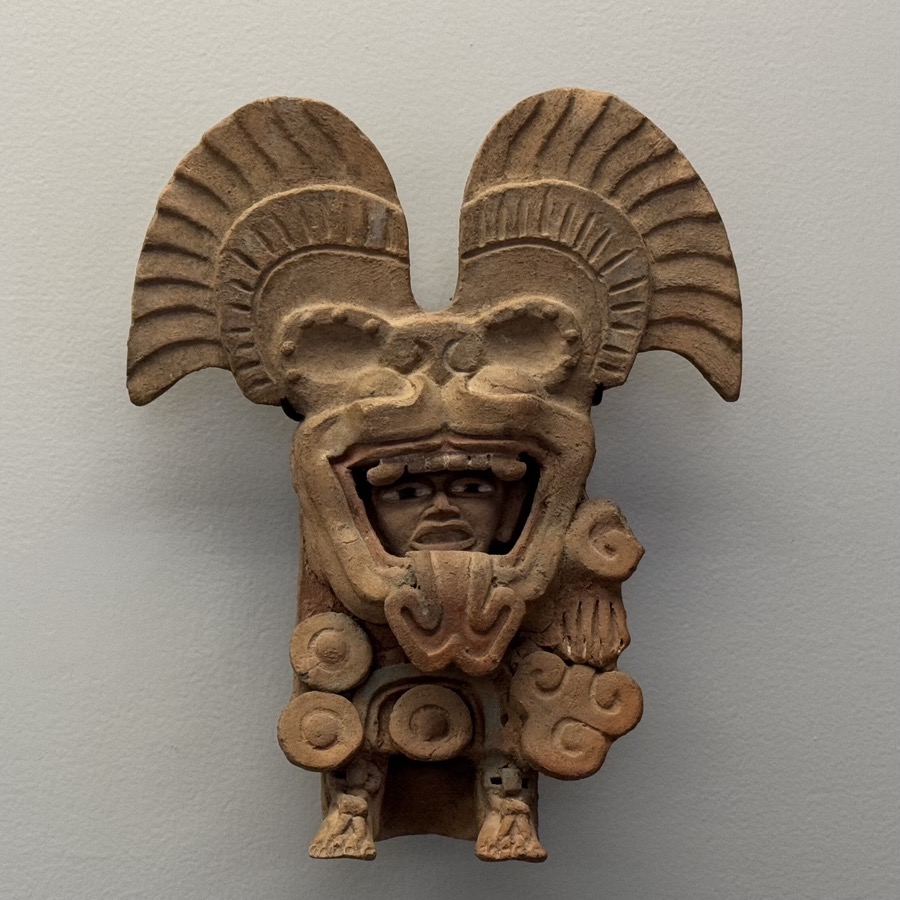
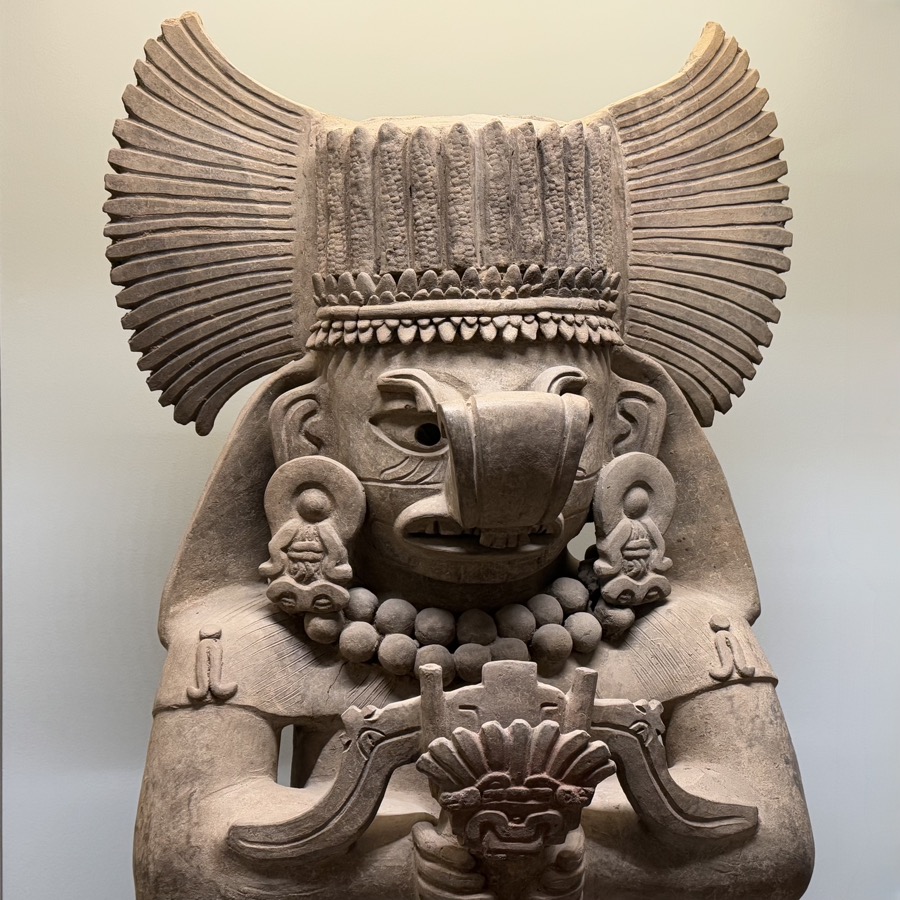
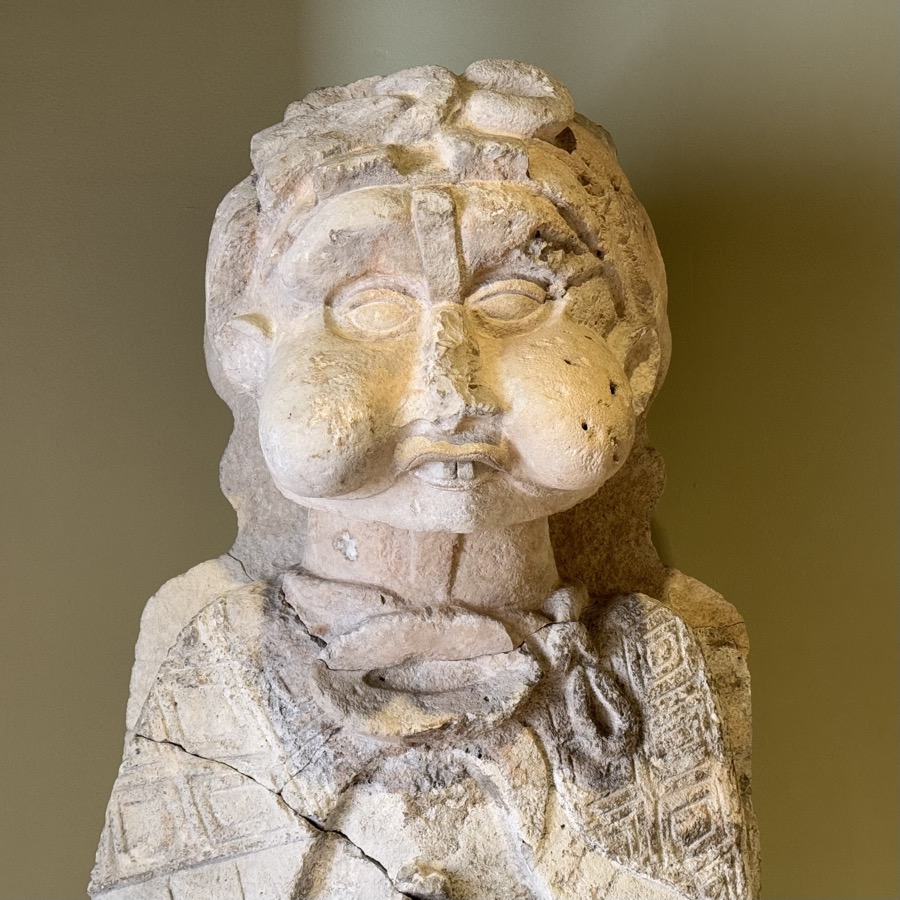
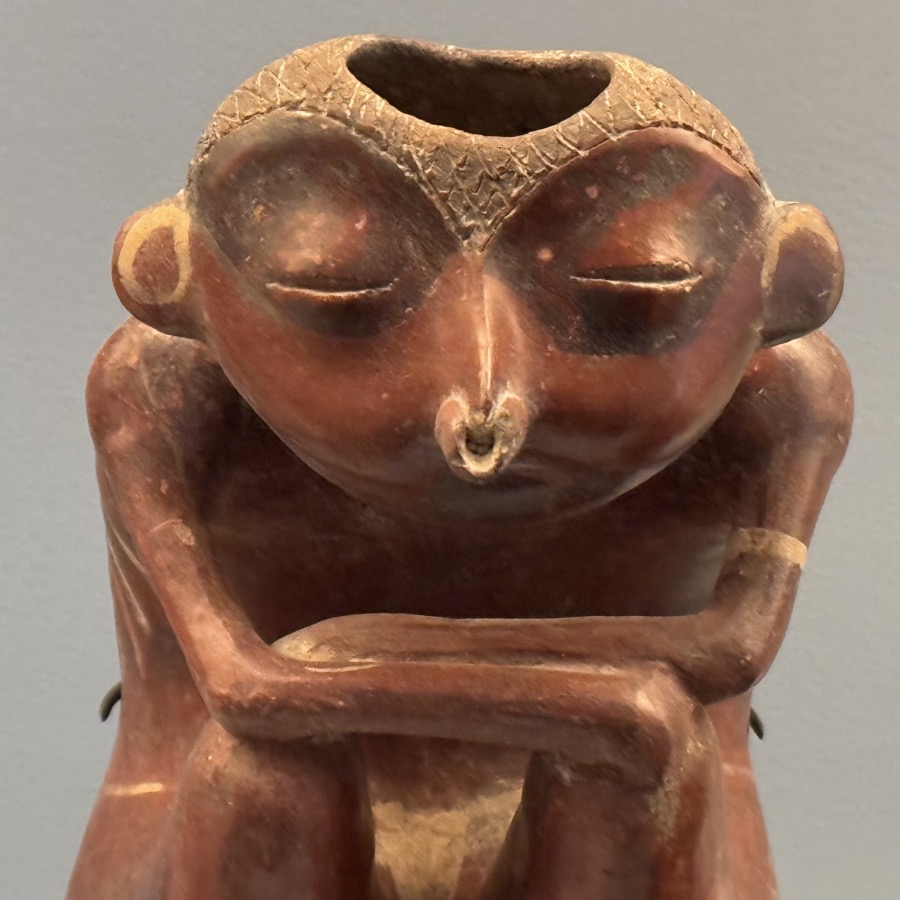
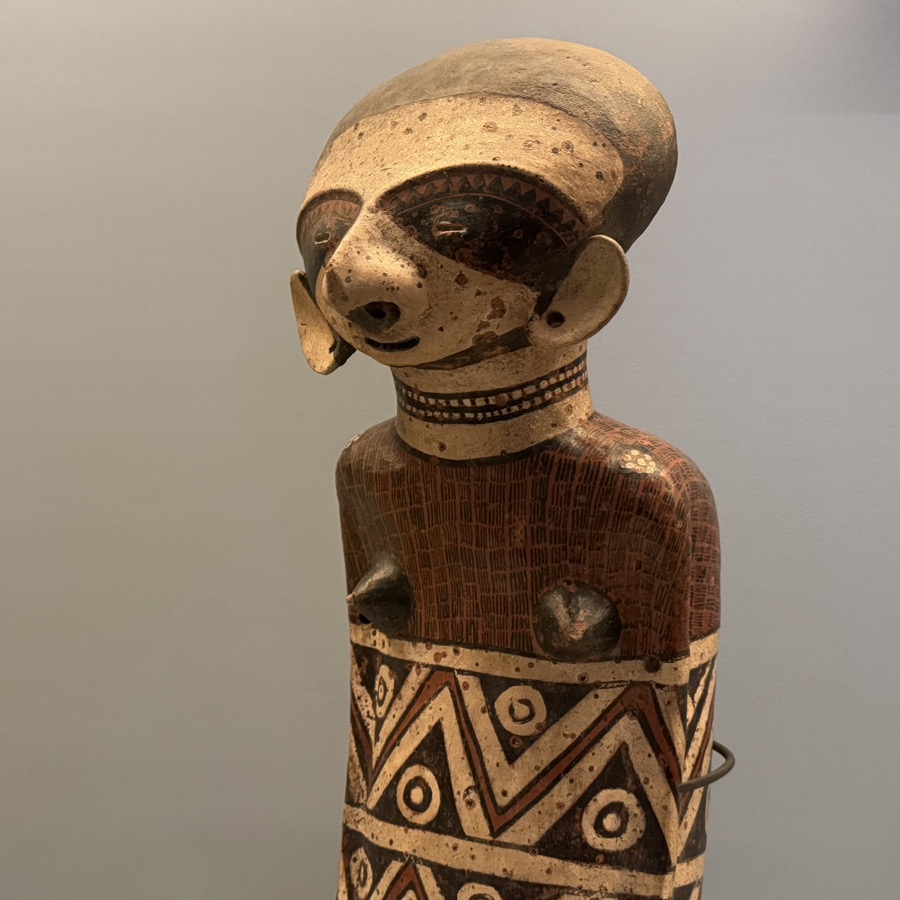
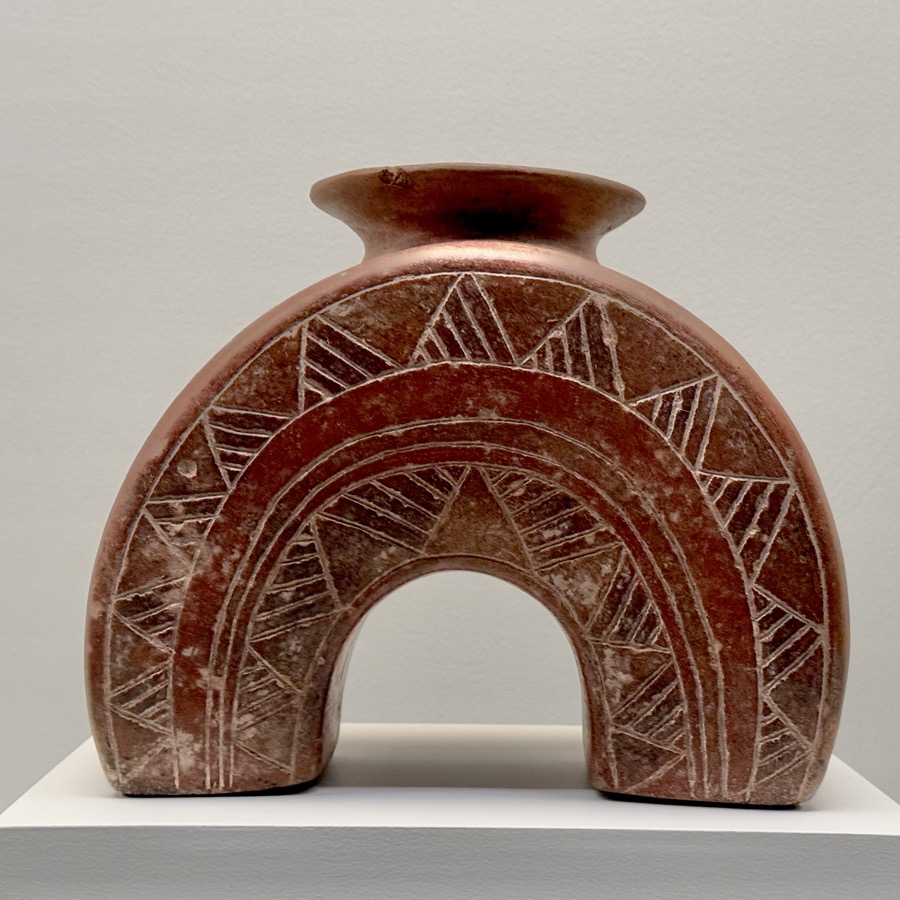
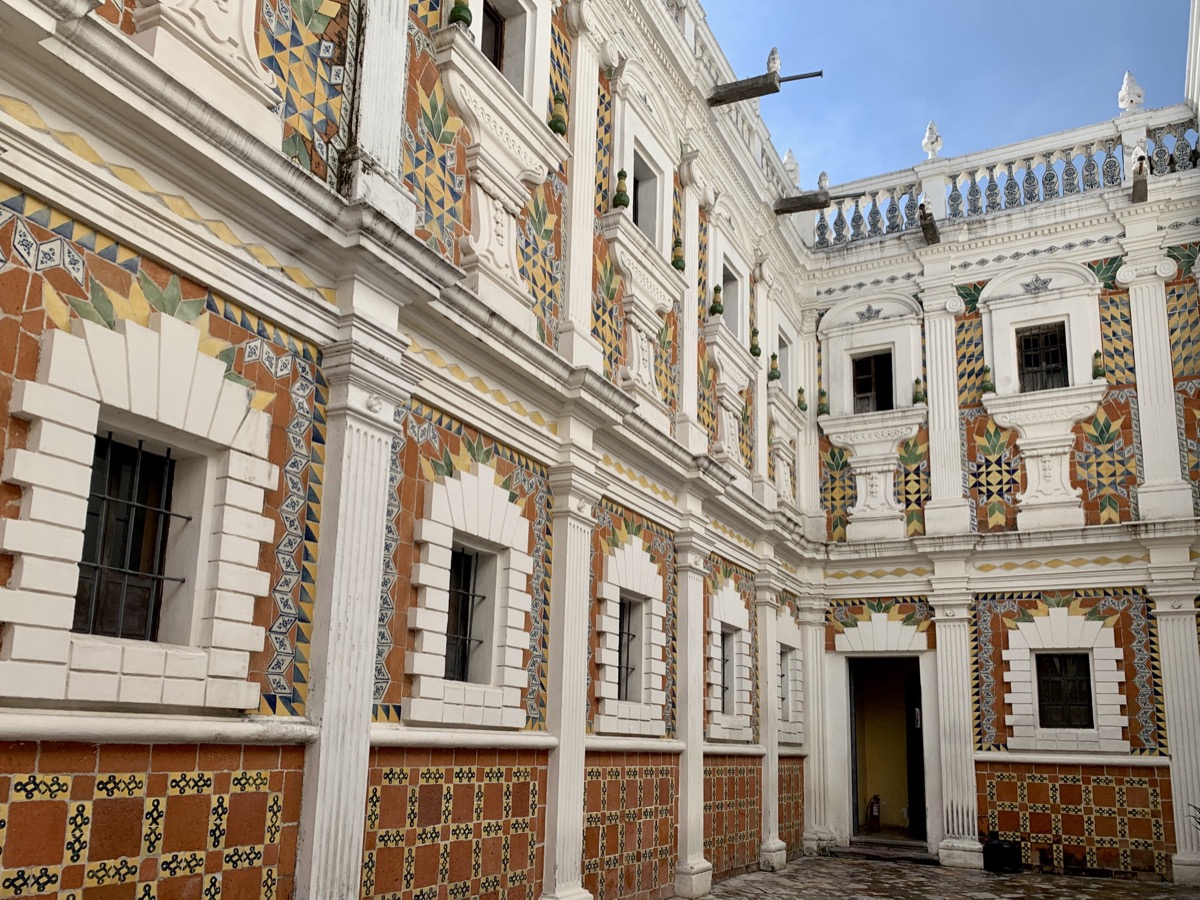
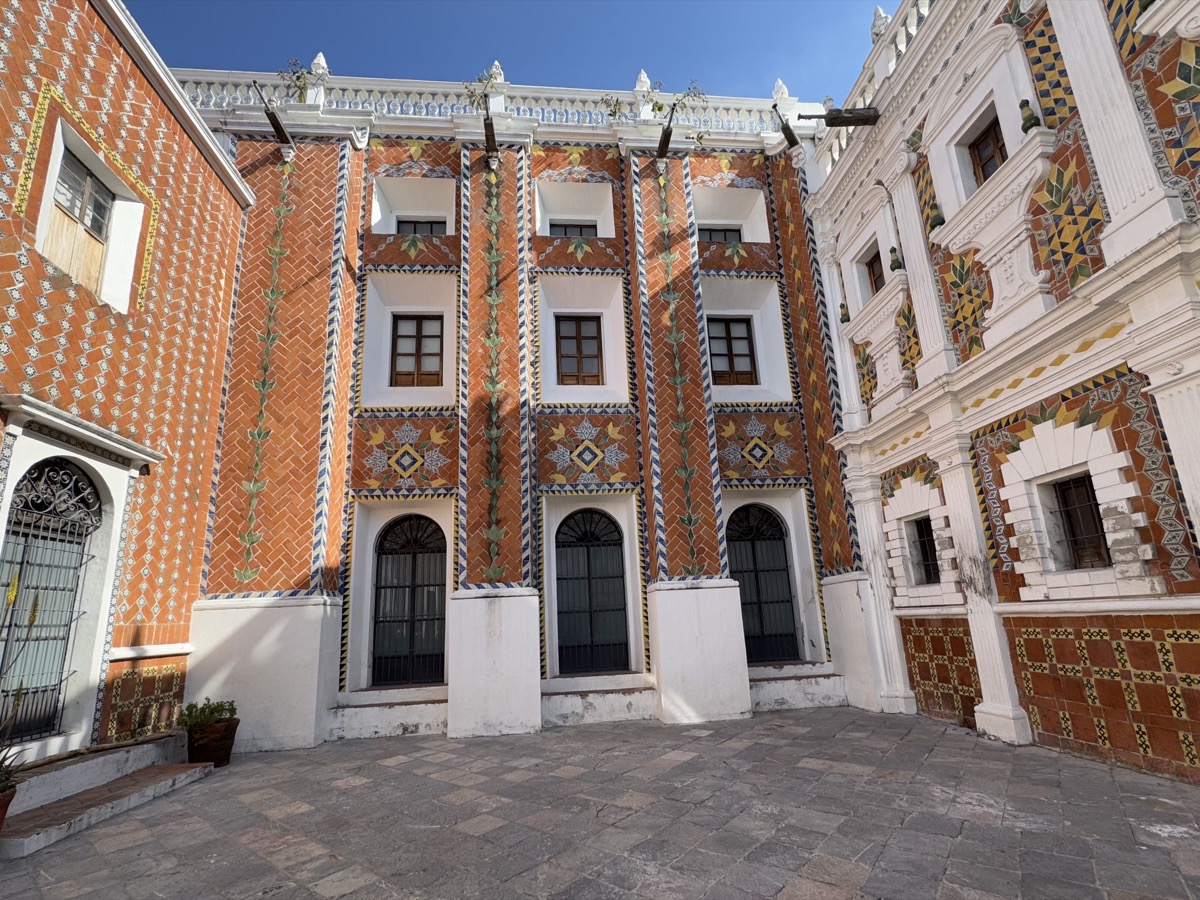
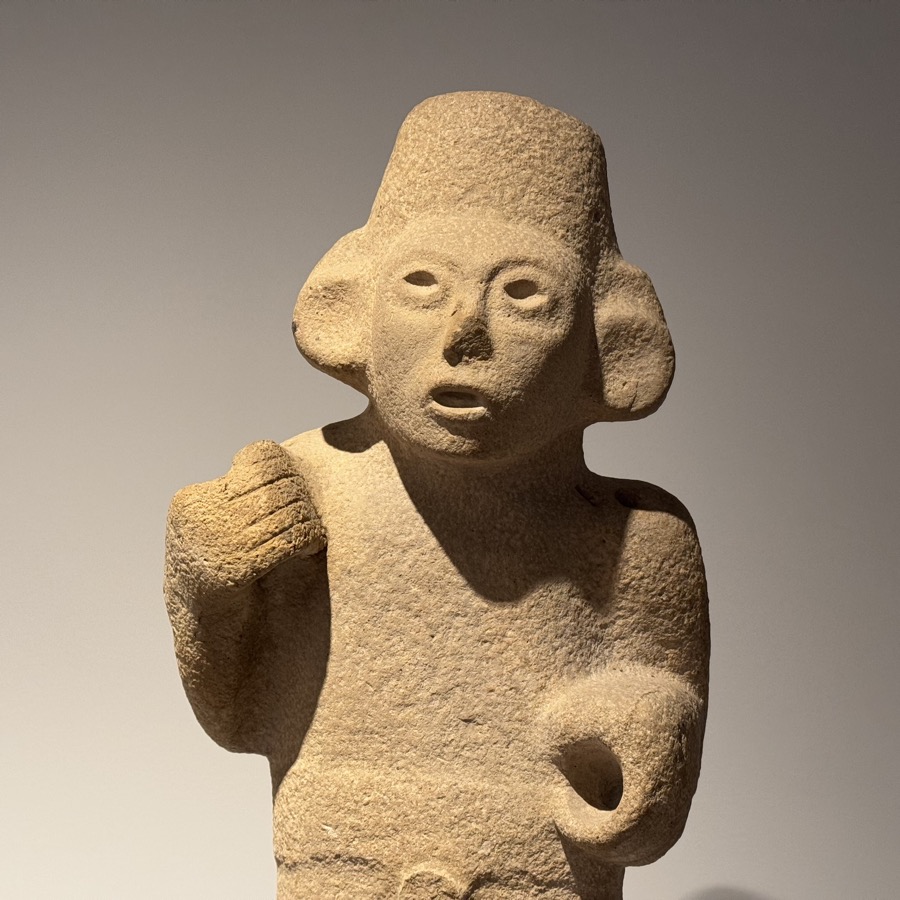
Puebla. We had only half a day left for Puebla – we walked over to very nice El Patio de los Azulejos which used to be a part of religious school (now small museum) and then spent the rest of the time at (private) Museo Amparo (recommended) with well organized collections from pre-Hispanic cultures through colonial to modern exhibits in a beautiful palace, and more good coffee and hot chocolate at museum roof-terrace. Puebla (Centro Histórico) has real feel of an old town. It was easy and pleasant walking around in good weather, some crowded streets, but everybody looked relaxed, not much car traffic. Piotr started to learn Spanish words. Is this a sign of things to come?
Museo Amparo

«« Scroll to view more photos »»
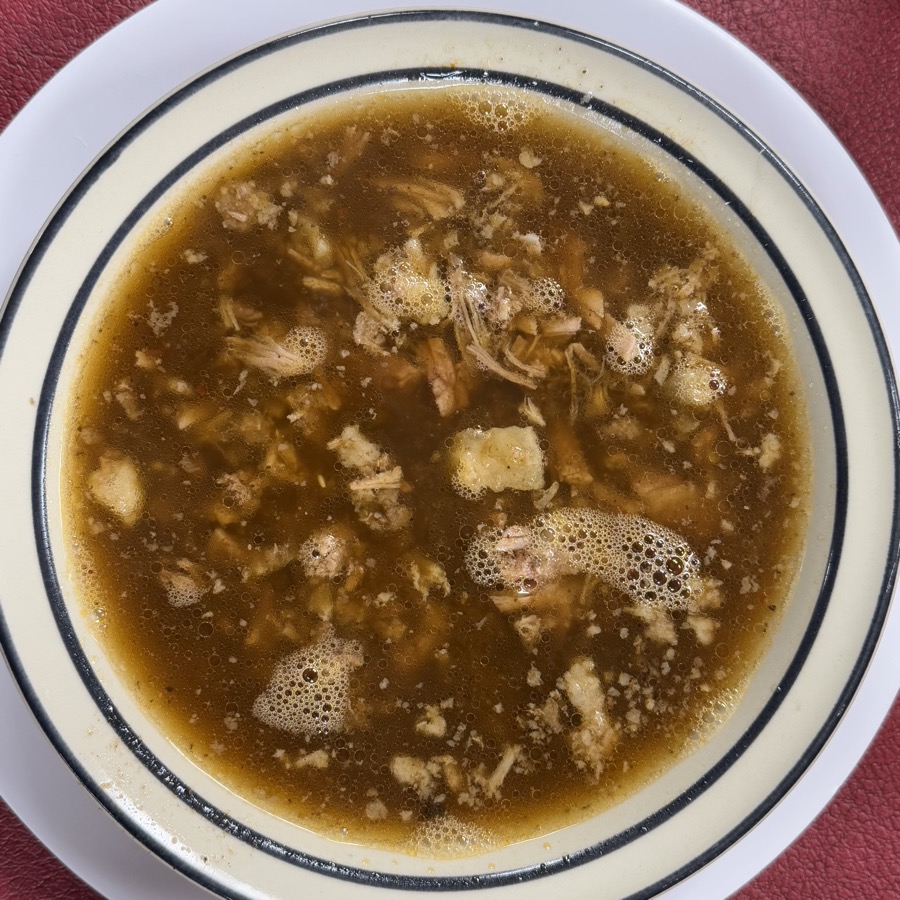
Picked-up our backpacks from hostel, took Uber to Paseo Destino and bus to Mexico City El Ángele (3 hrs). The travel was not too interesting, watching villages and neighborhoods along busy highway. We got a few distant views of Popocatépetl and Iztaccihuatl between clouds. Then short Uber ride to our apartment on Calle Guaymas. It was already evening, so we picked up some bread rolls for breakfast from street vendor and run around the block looking for a place to eat. Piotr chose El Rancho Birrieria for traditional birria (stew soup) and beer.
One week in Tulum

November 2-9

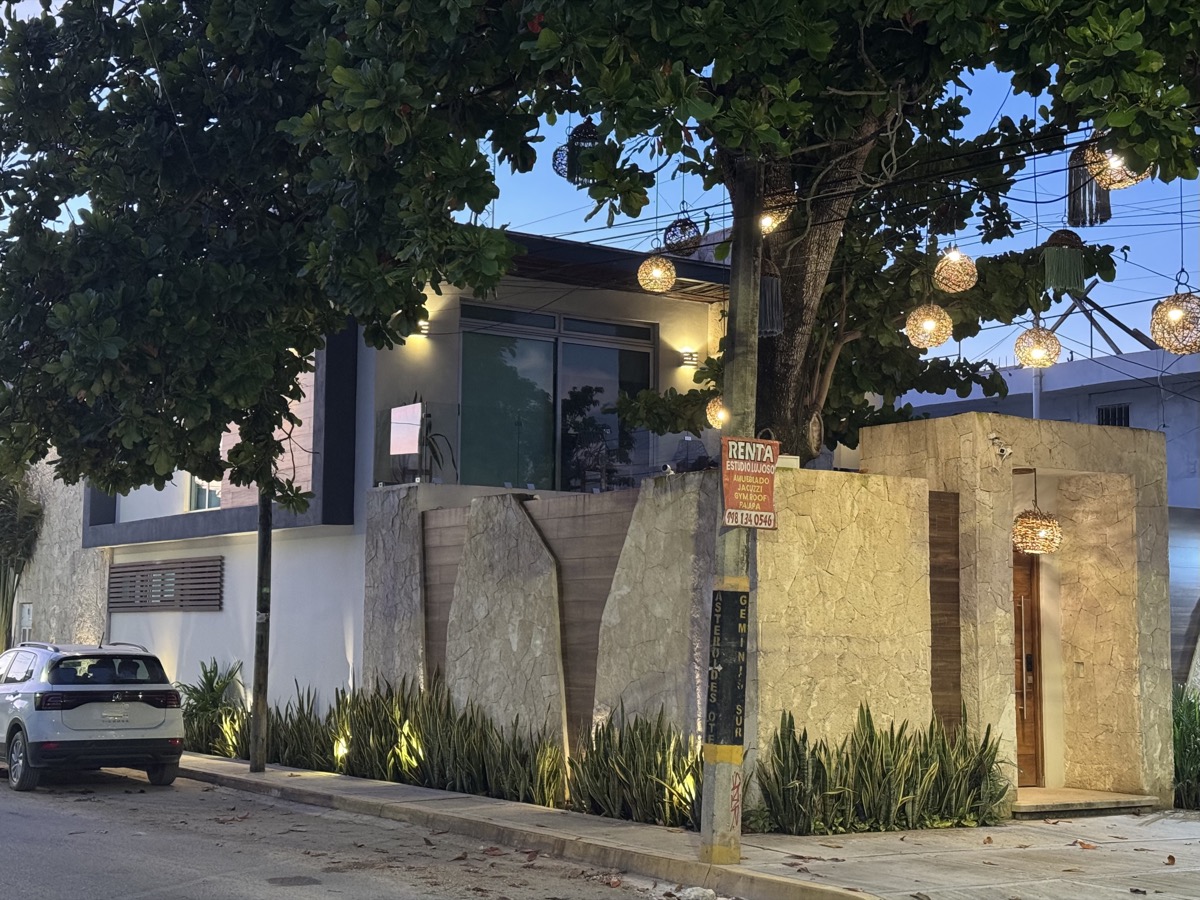
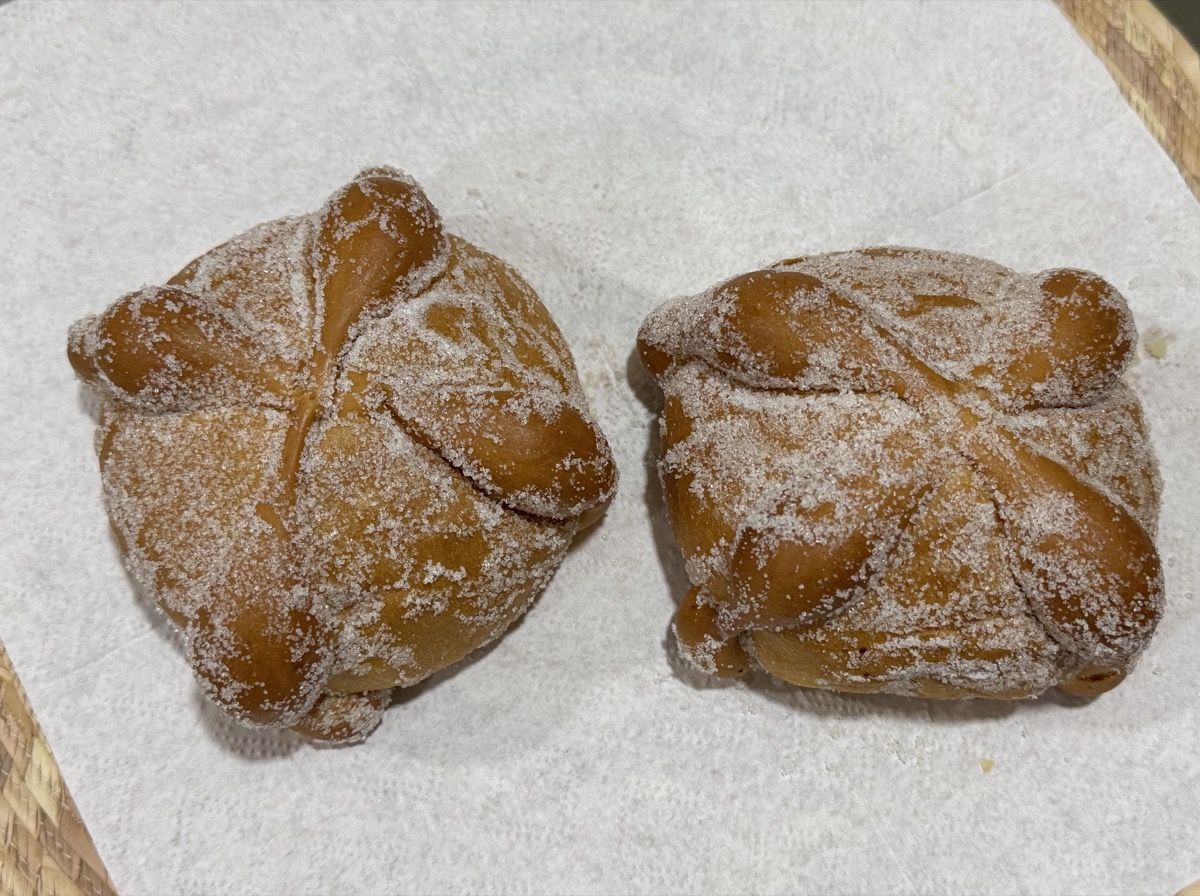
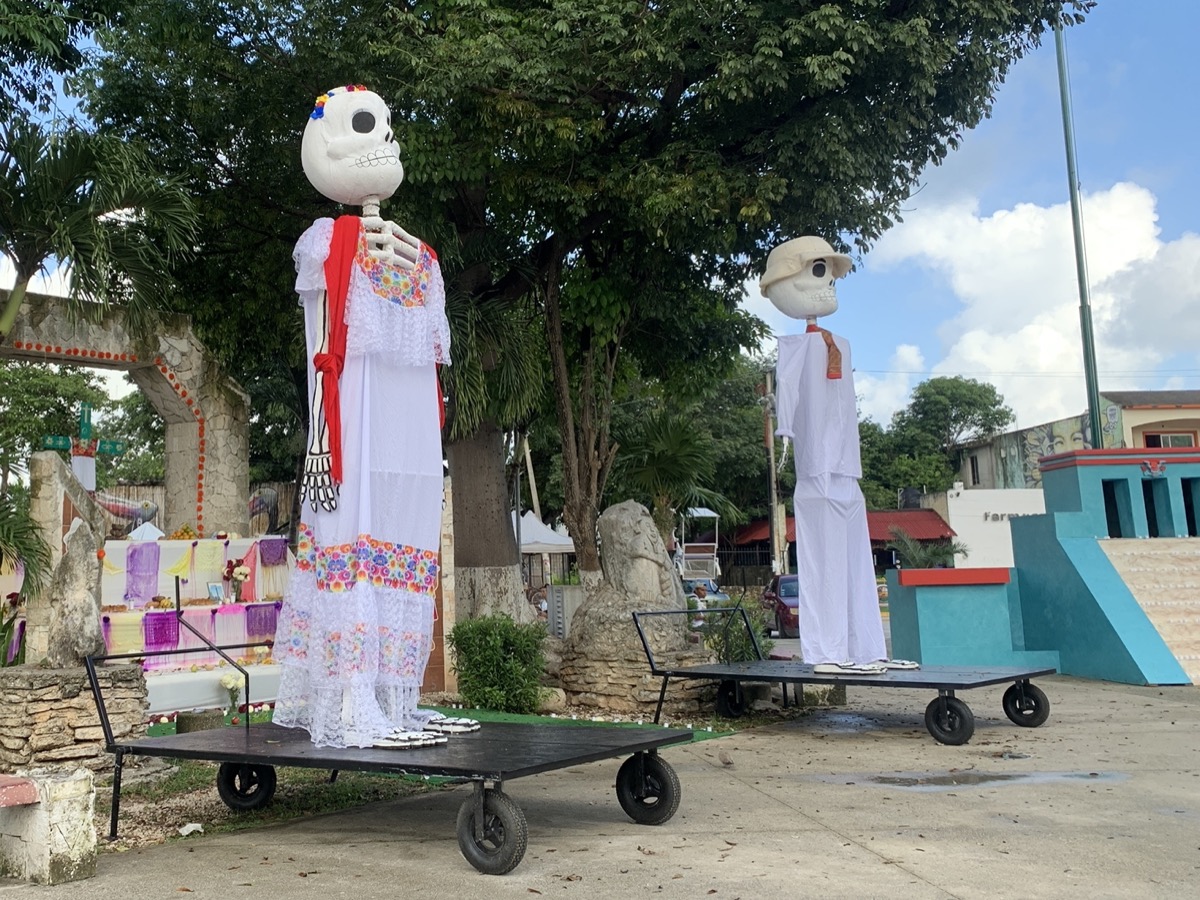
It was a quick decision to go to Mexico on direct United flight from Chicago to Tulum. Easy to organize at last minute, expecting reasonable weather, lesser crowds and lower prices during low/shoulder season. First day was just travel, settling down and grocery shopping. We selected modern studio apartment at Casa del Arbol (recommended). Located in Tulum Centro away from Zona Hotelera along the beach we didn’t visit, but close to everything else (ADO bus station, celectivo stops, shops, restaurants and Chedraui Supermarket). It was excellent, well organized and very clean. Joanna did not like noise of passing cars and motorcycles at night, not a problem for Piotr. We examined Día de Muertos decorations and we ate Pan de Muerto in the evening watching motorcycle parade along our street trying to wake-up somebody (?).
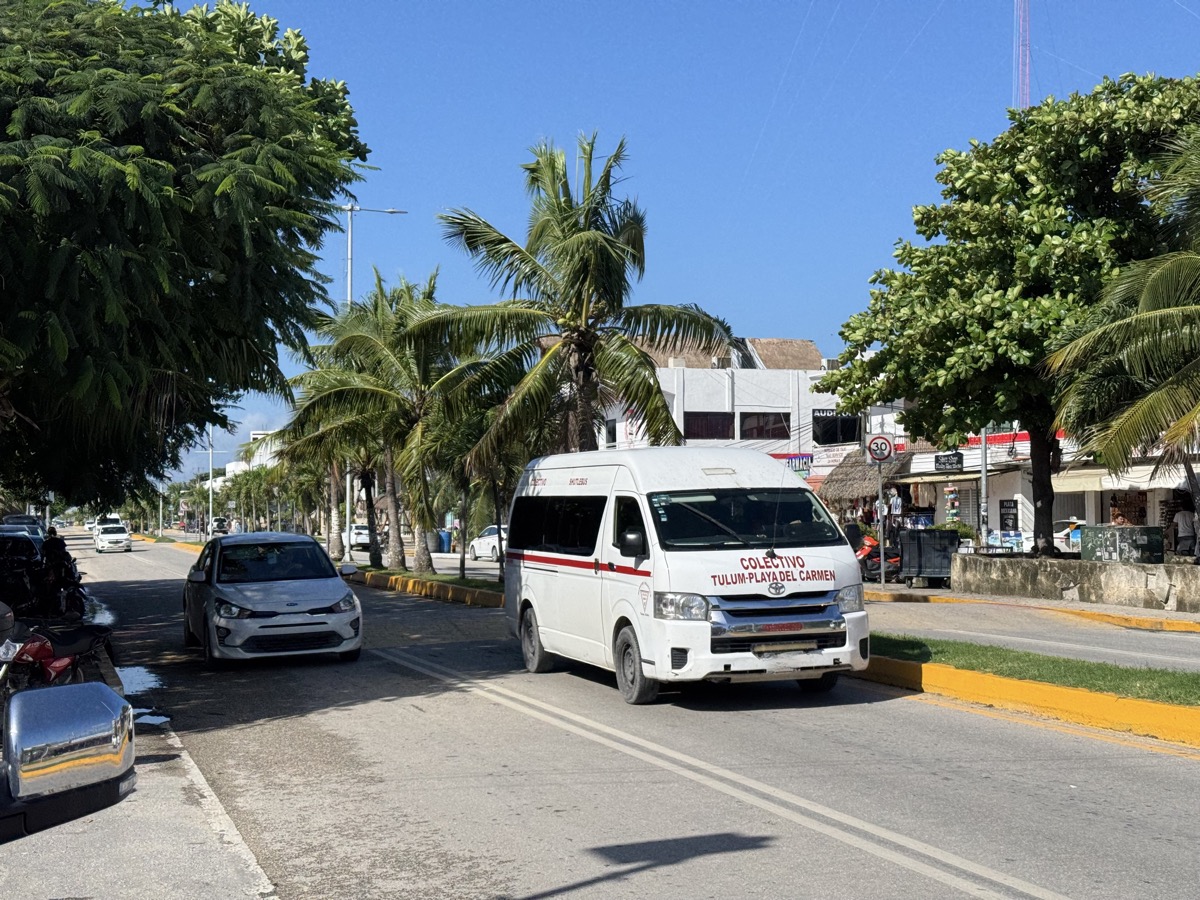
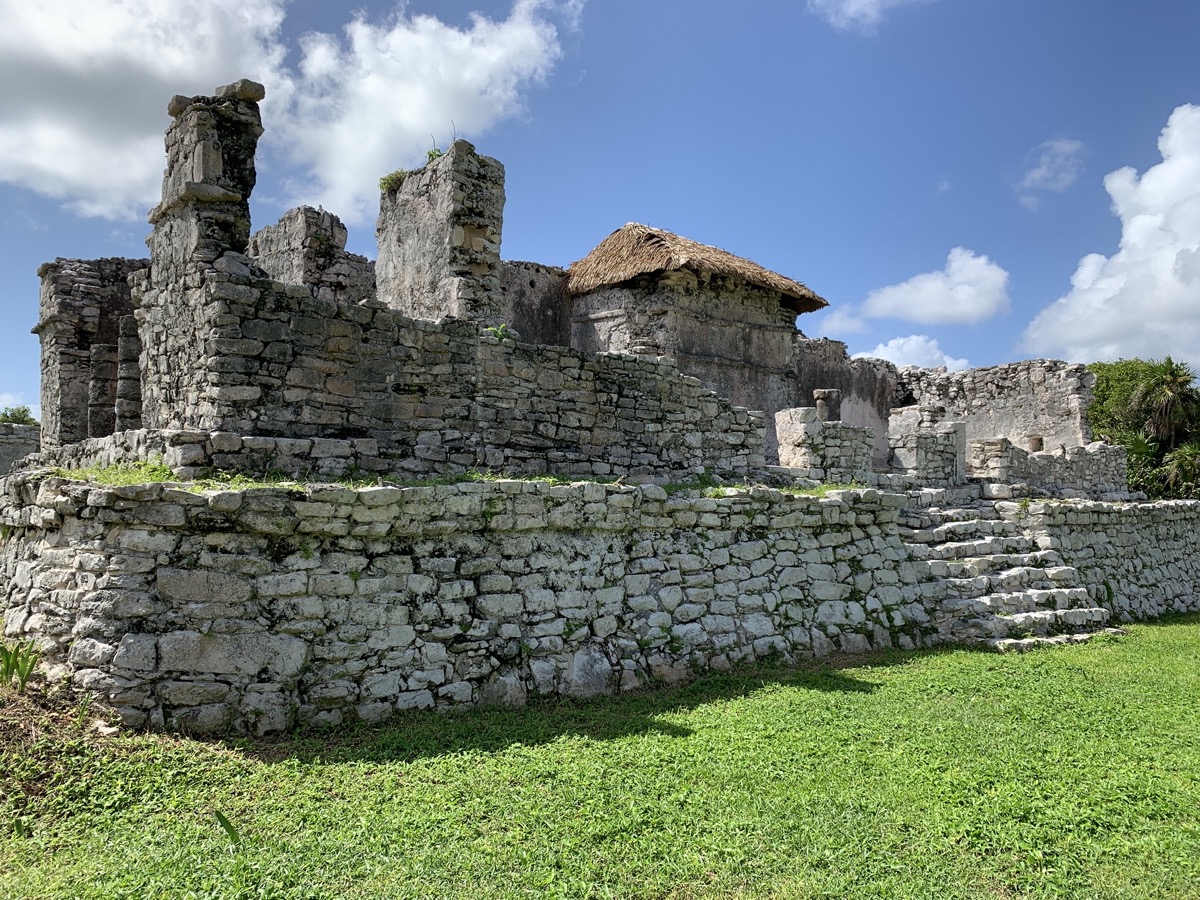
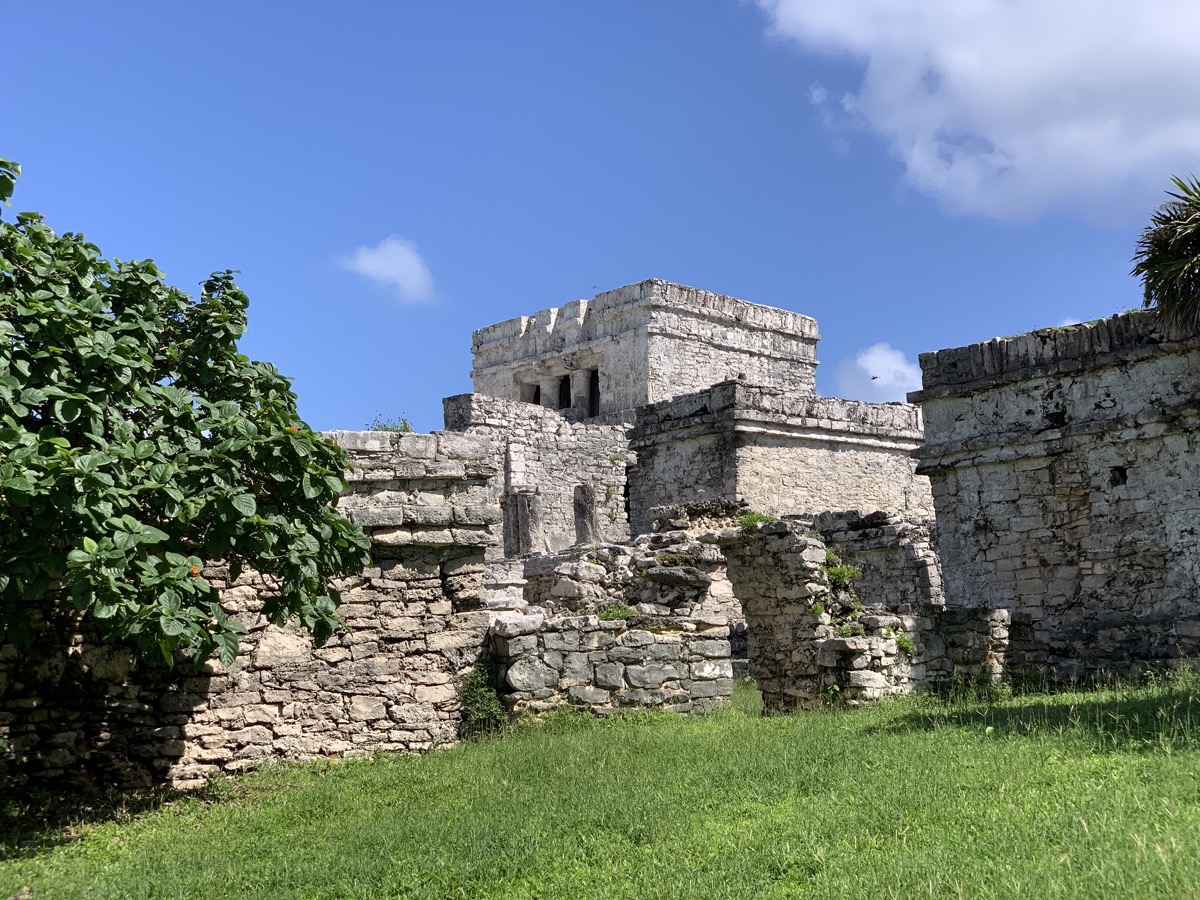
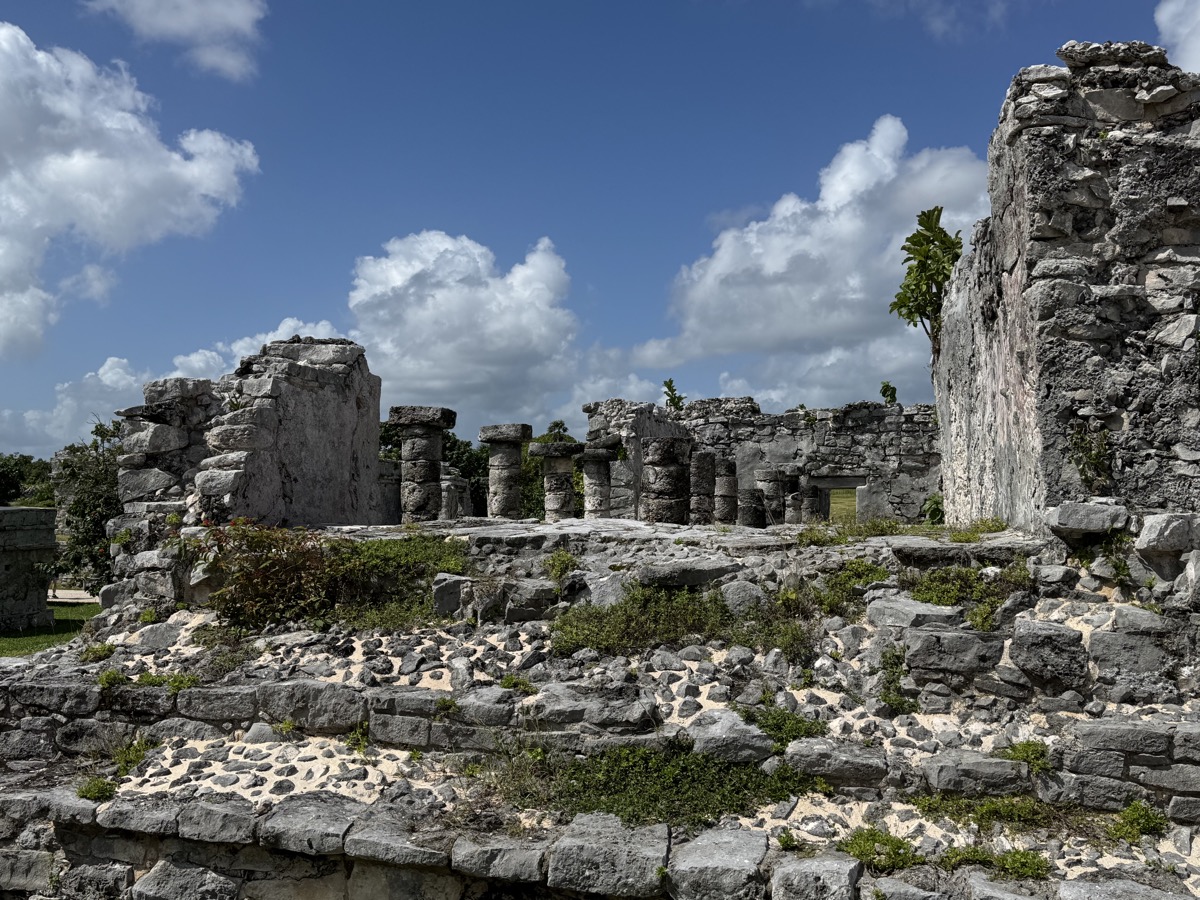
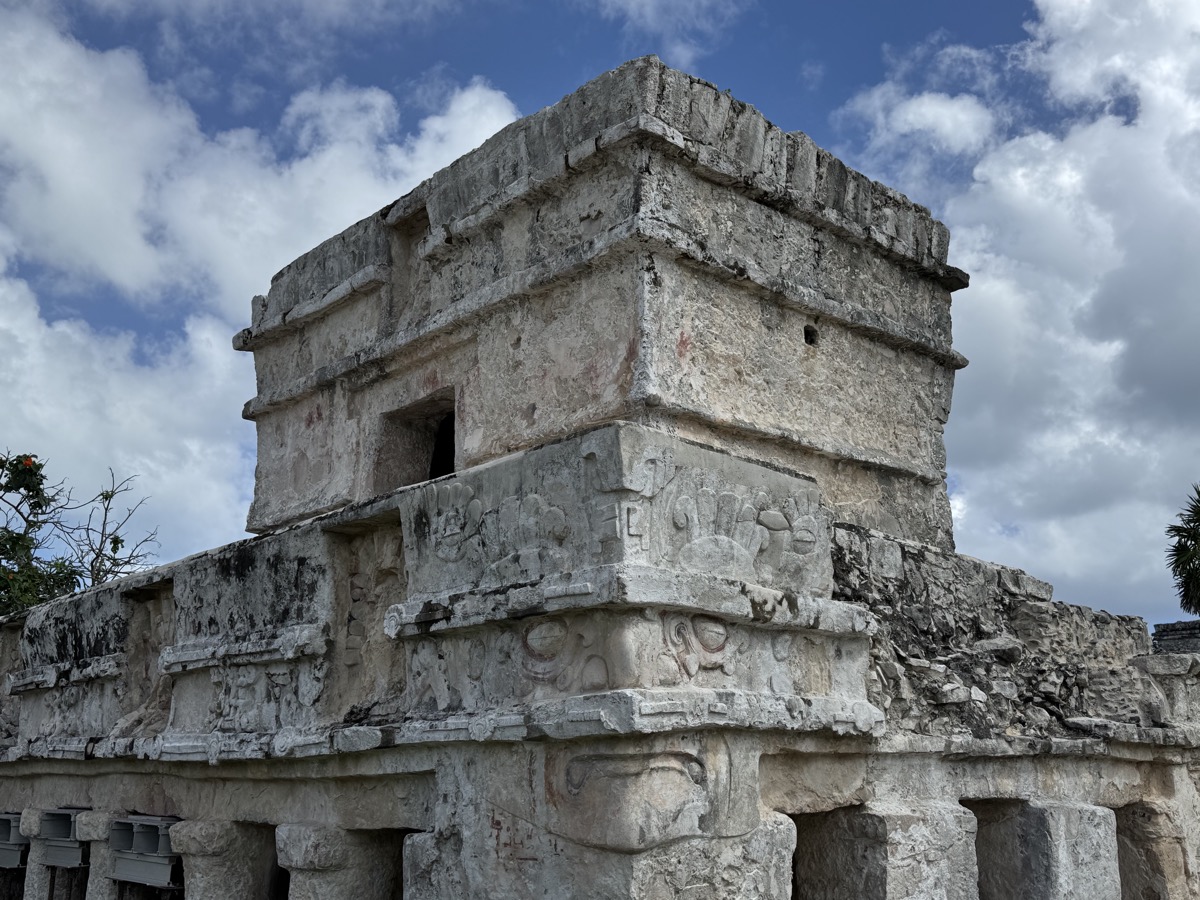
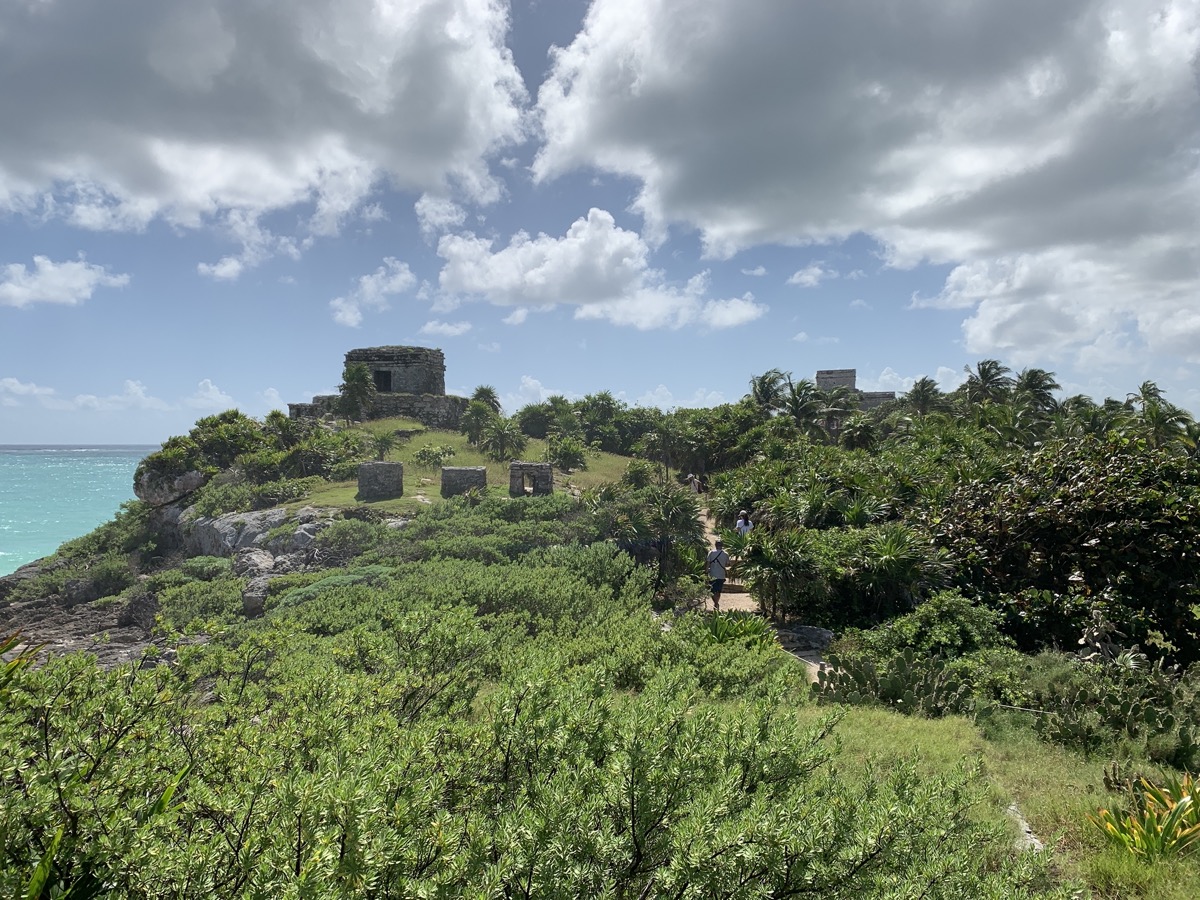
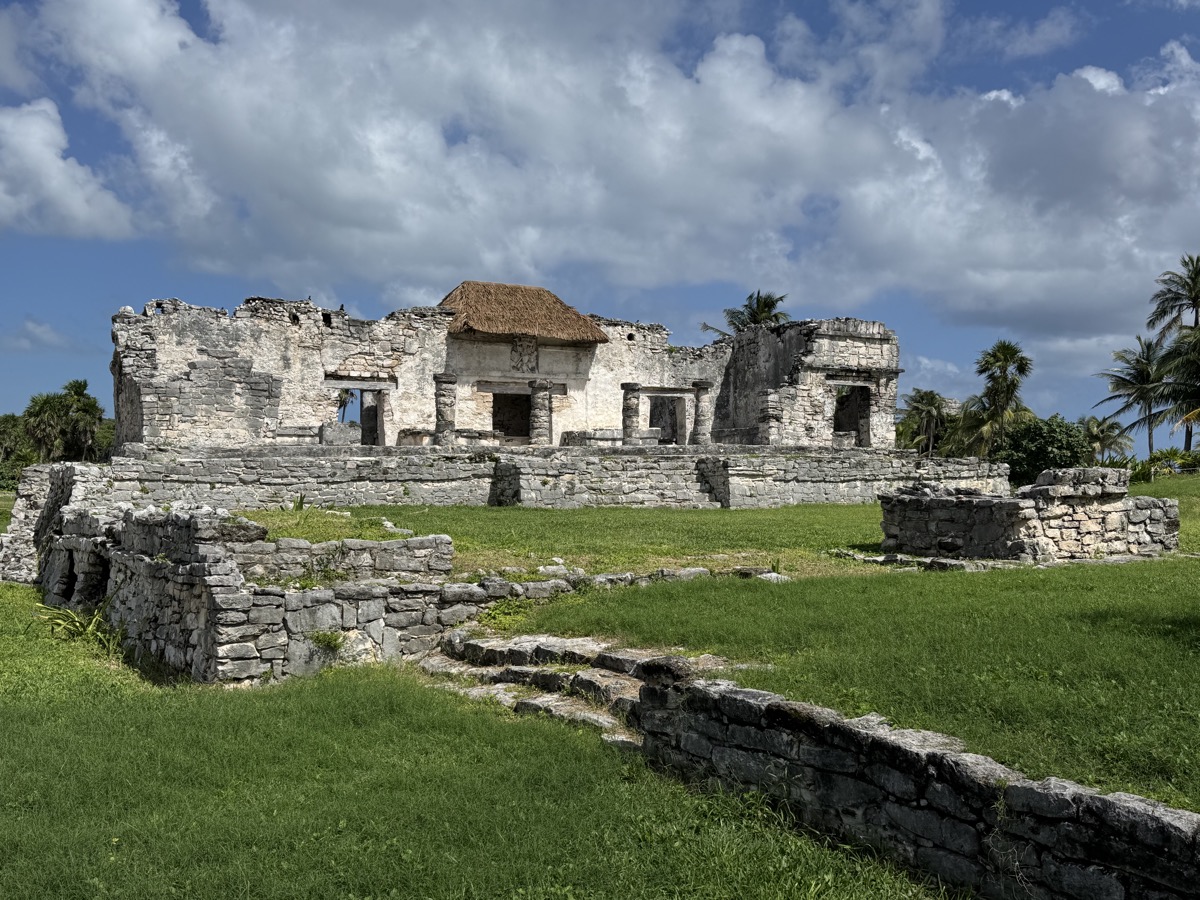
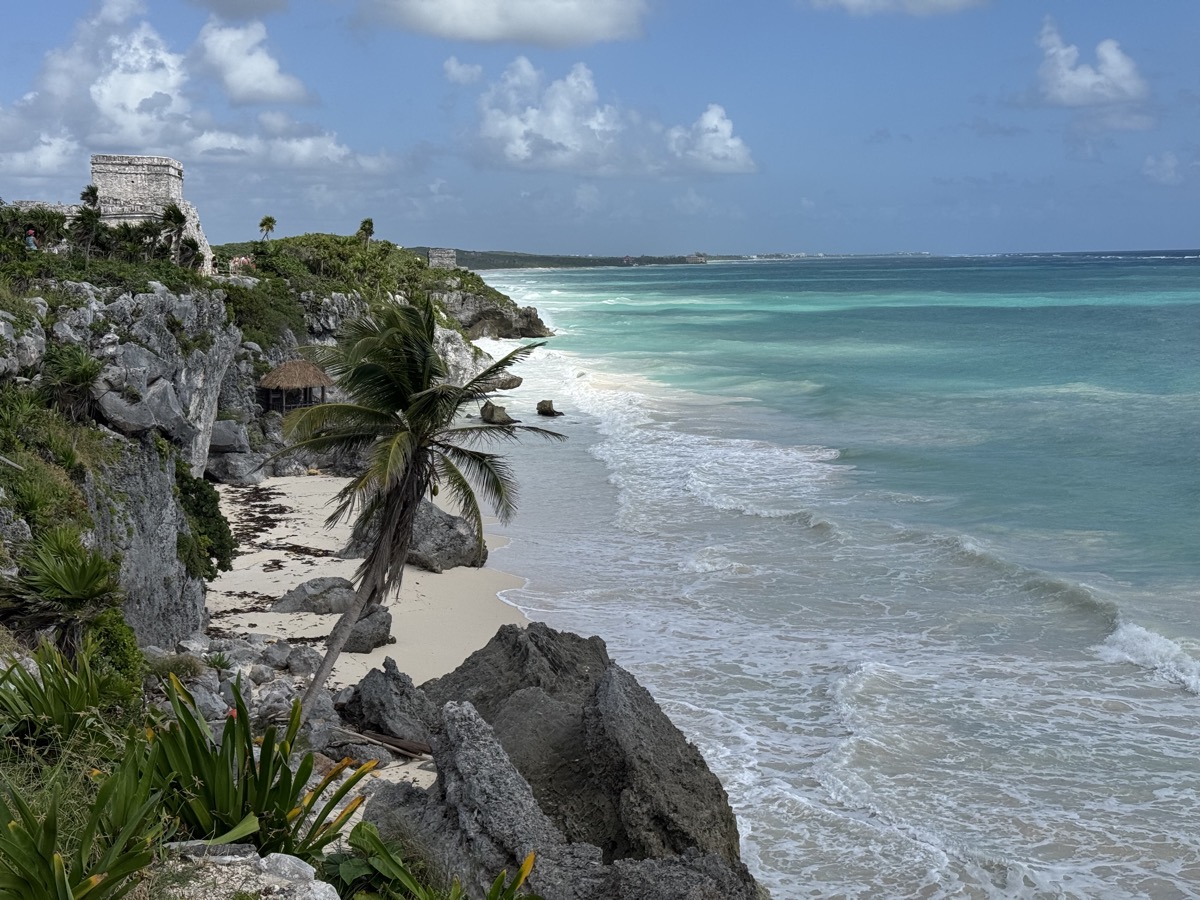
Next day we took colectivo to Tulum ruins and spent half a day there. Colectivos here are convenient and inexpensive mode of transportation, easier to use than in South America. The scene approaching and at park entrance was quite chaotic. We just moved with the flow, waited in two lines to buy tickets and pay “tax” (not too bad), went through “environmental” check-point (had to throw away every piece of plastic they found in our backpacks and yes, they asked us to remove energy bar wrappers too). We asked about, but rejected guided tour offers (very dynamic pricing). Once inside, it was just walking around in well organized and maintained park with many visitors on sunny Sunday. Open sea proximity and views made it even more pleasant experience.

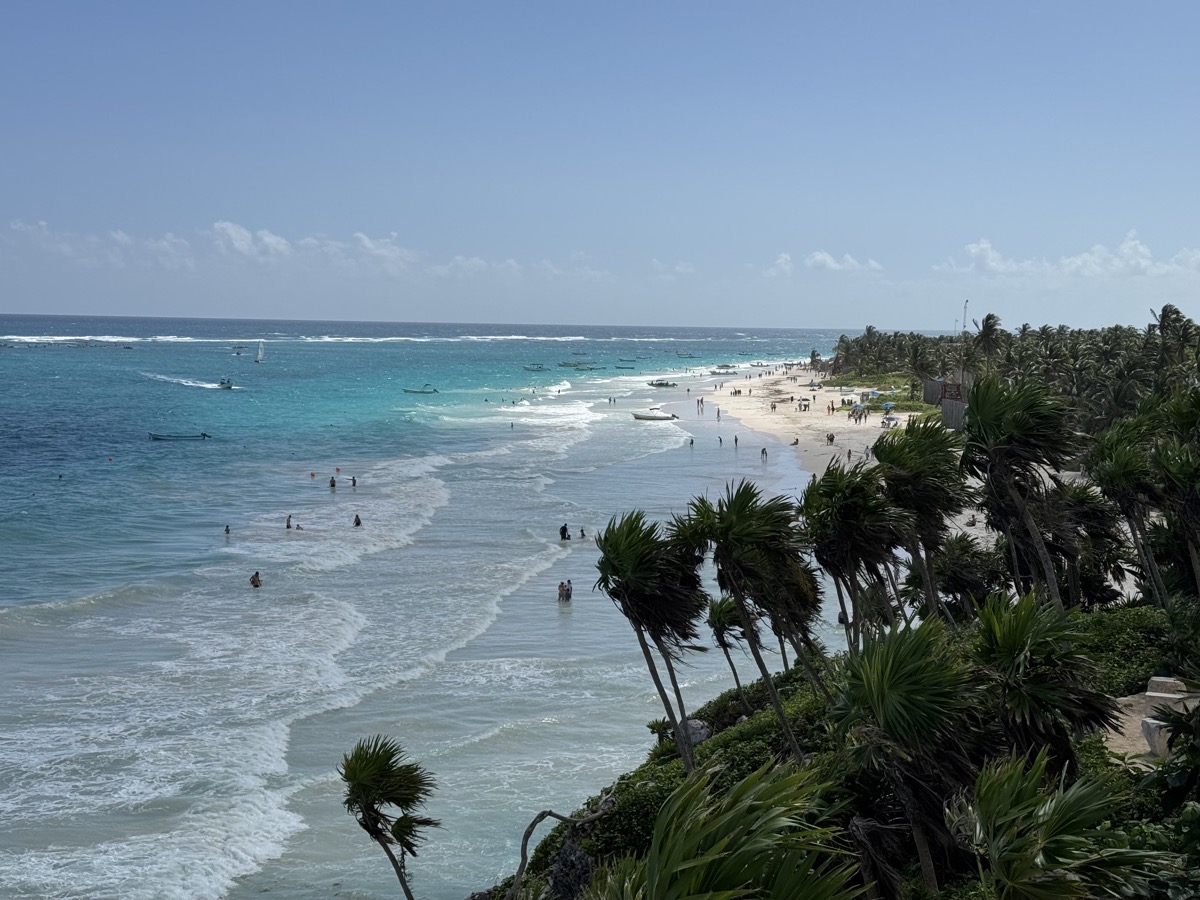
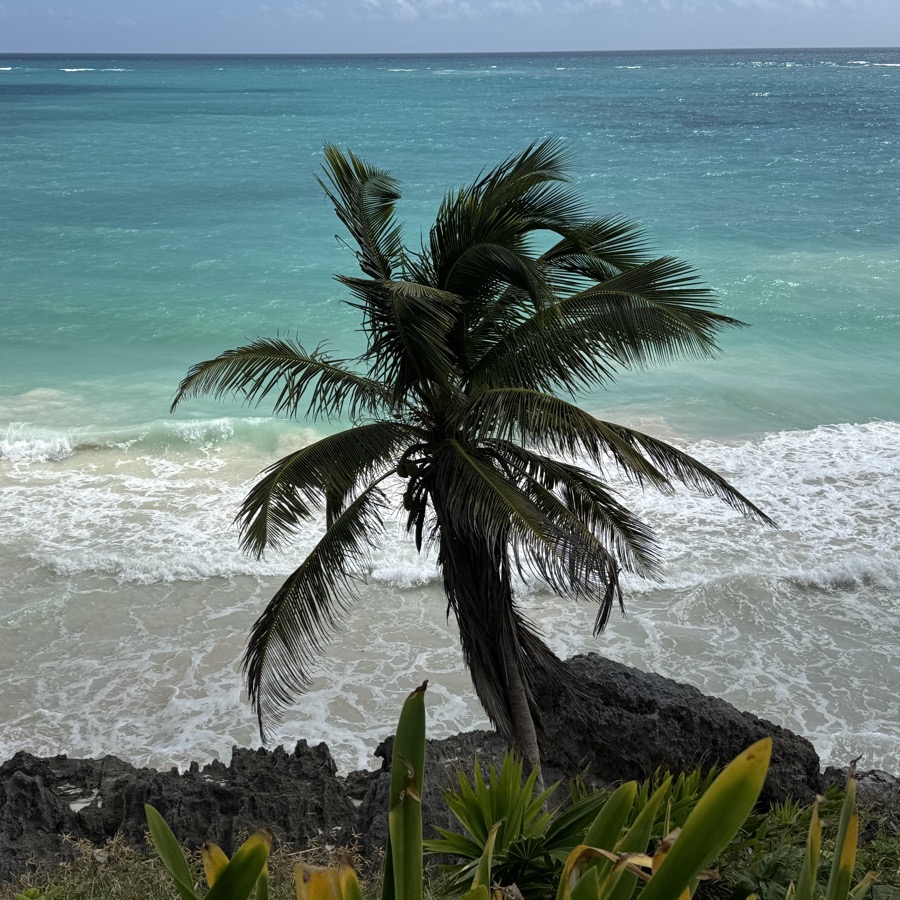
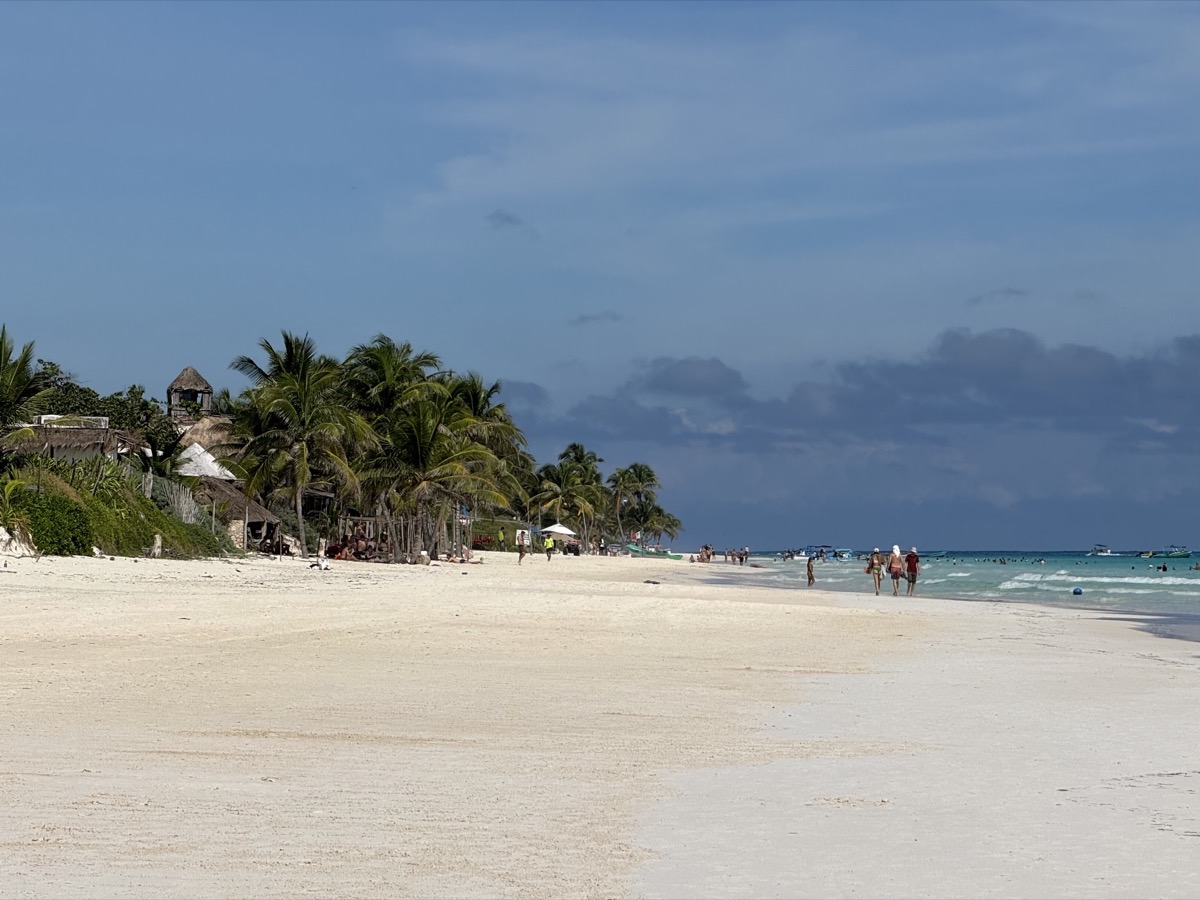
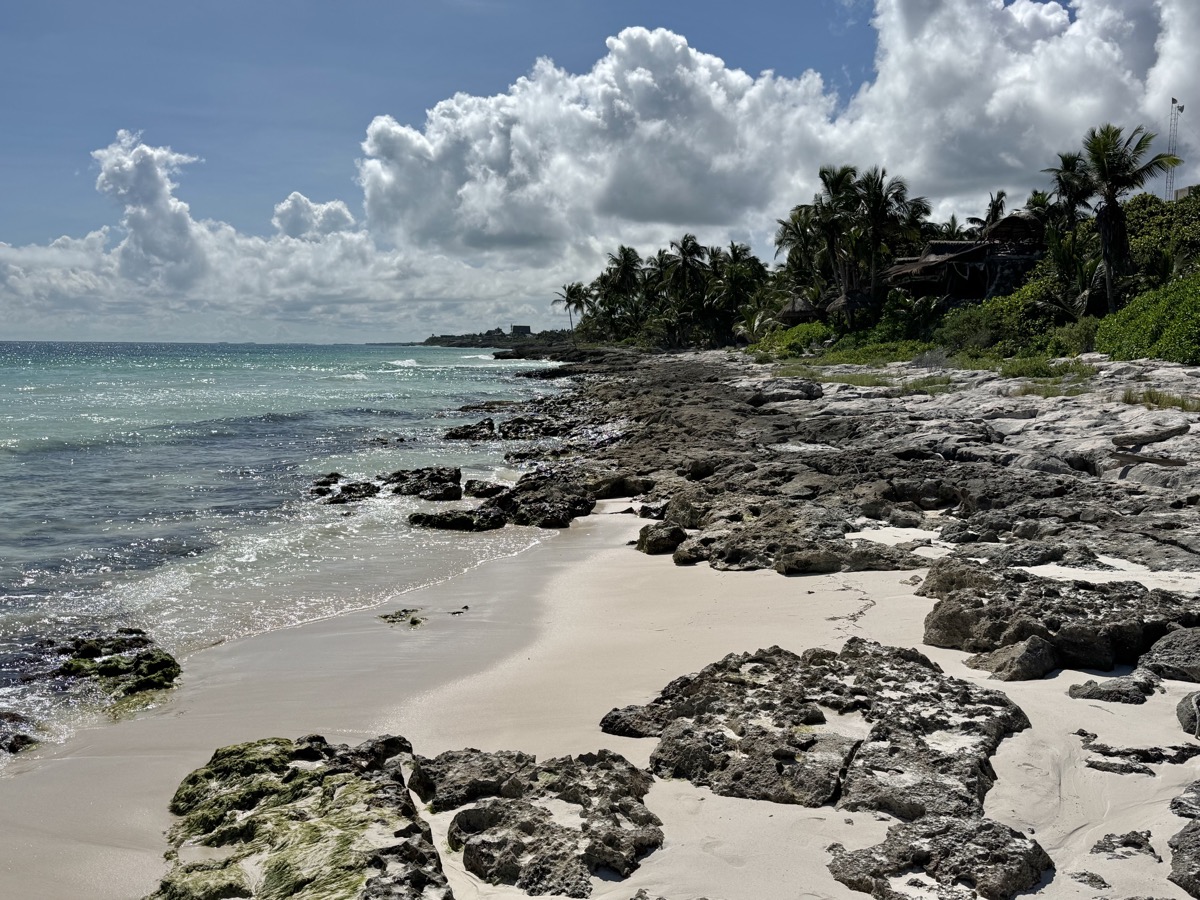
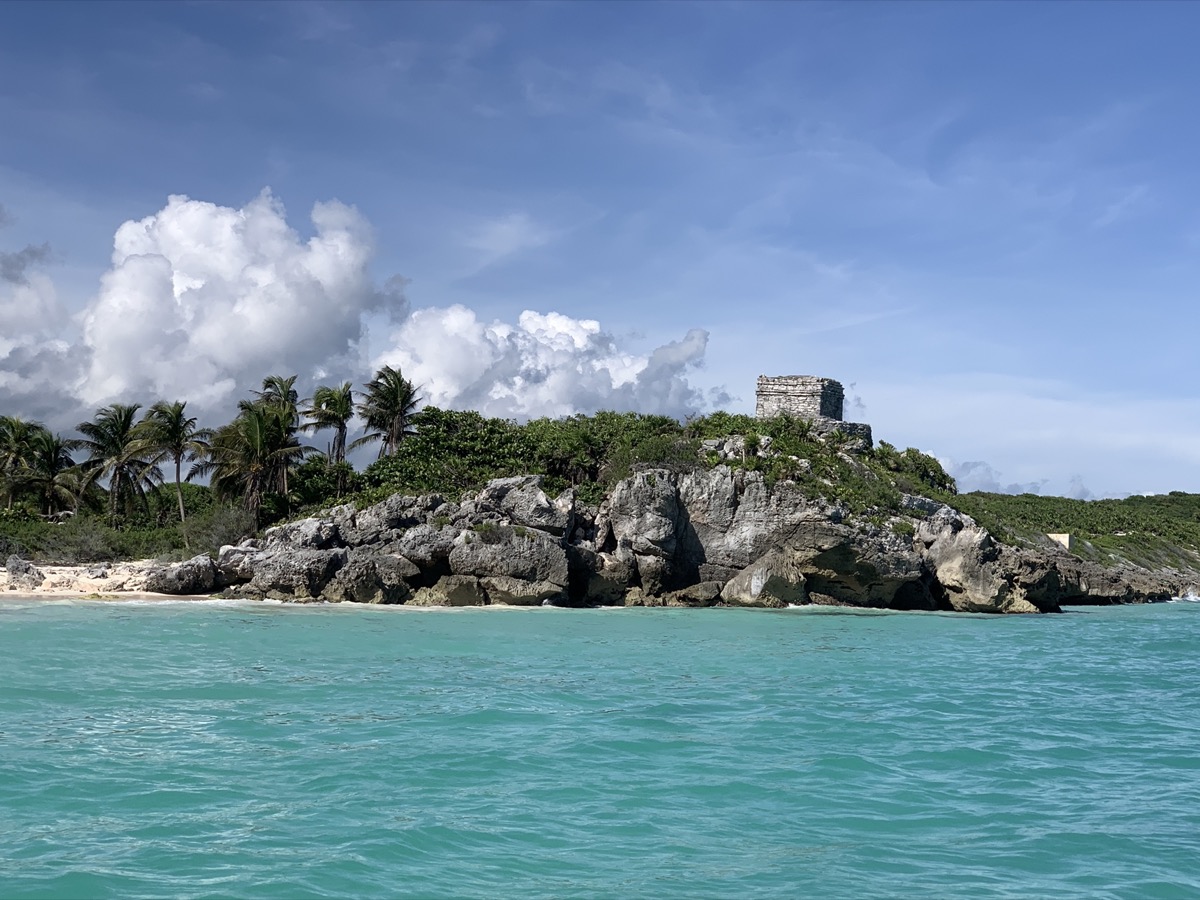
Structures here are quite different from all other Mayan ruins we have visited, both in shape – rectangular buildings not pyramids, and location on ocean cliff – not in flat jungle. Afterwards we went for a swim and walk on the beaches, hard to resist after hot day at the ruins. The coral reef is very close (short boat ride from the beach) and we decided to try to come back for snorkeling.

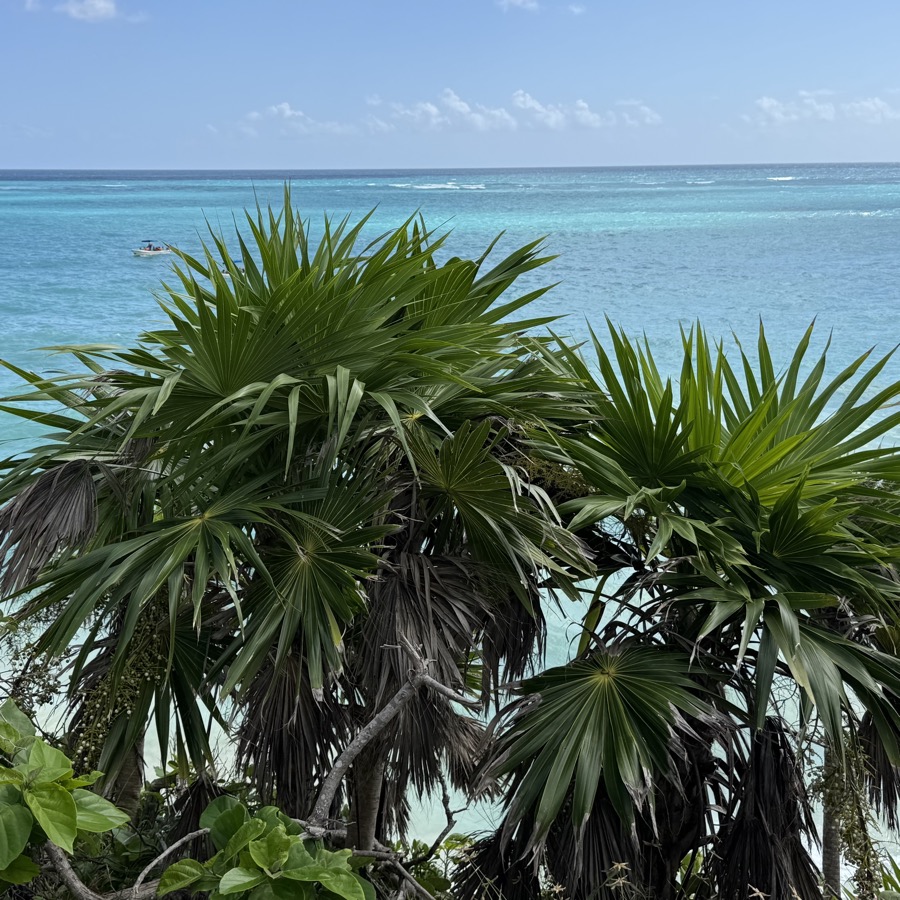
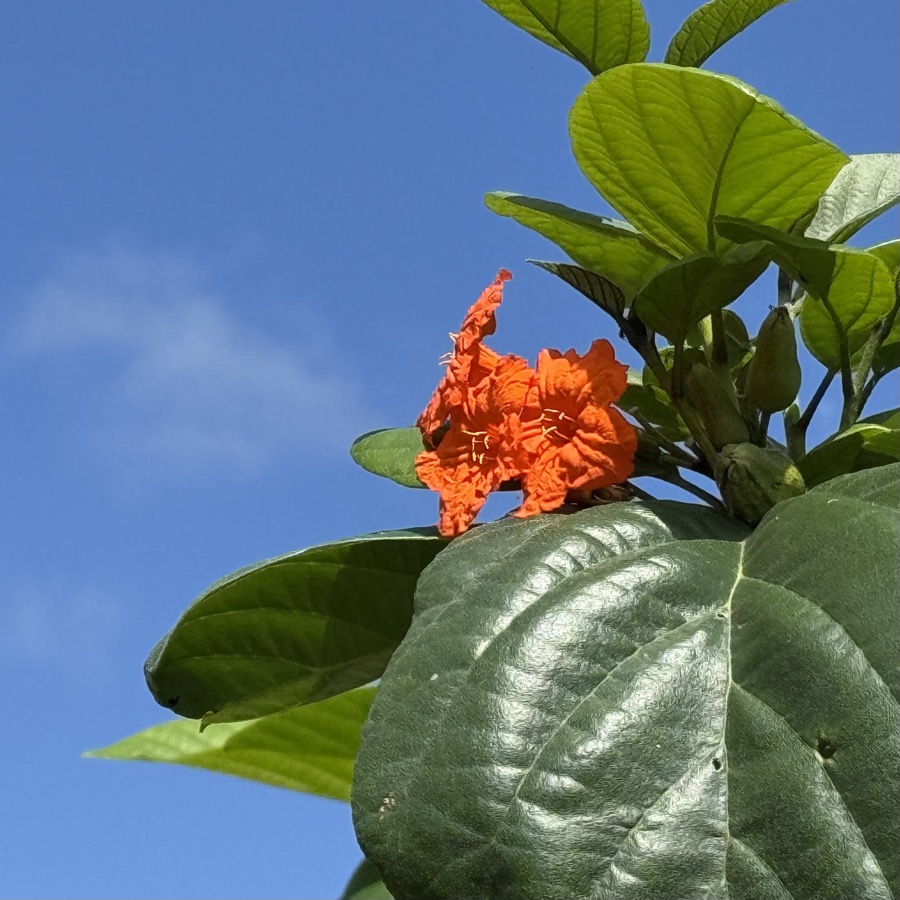
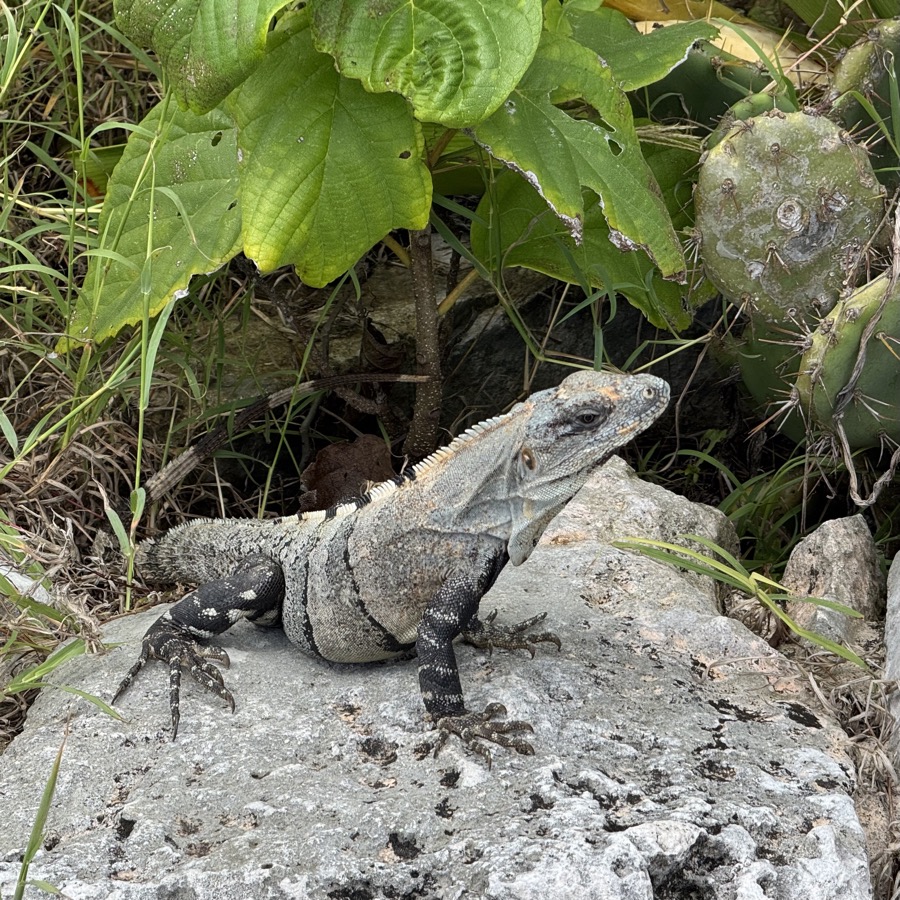
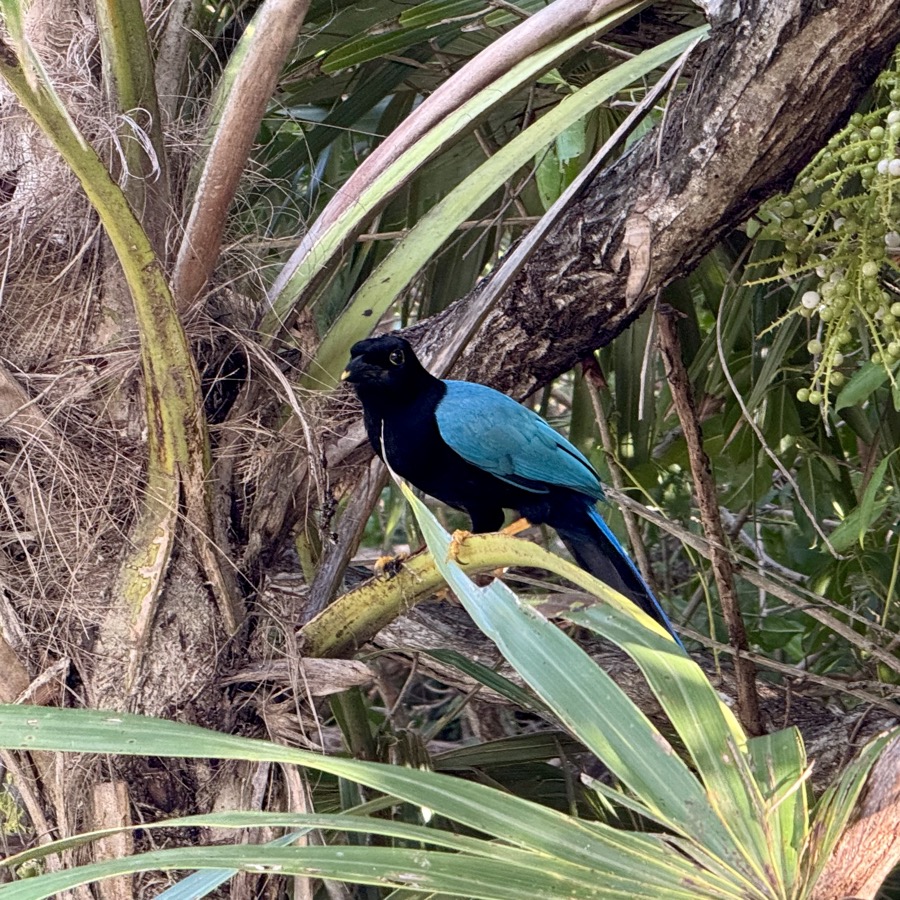
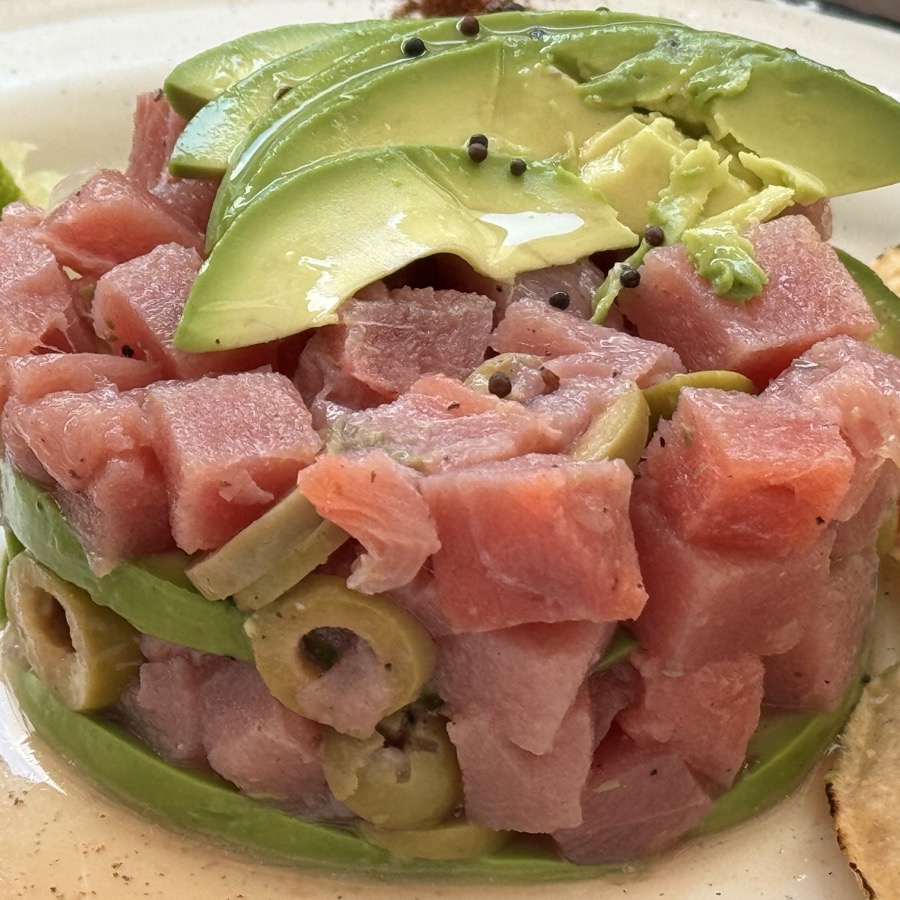
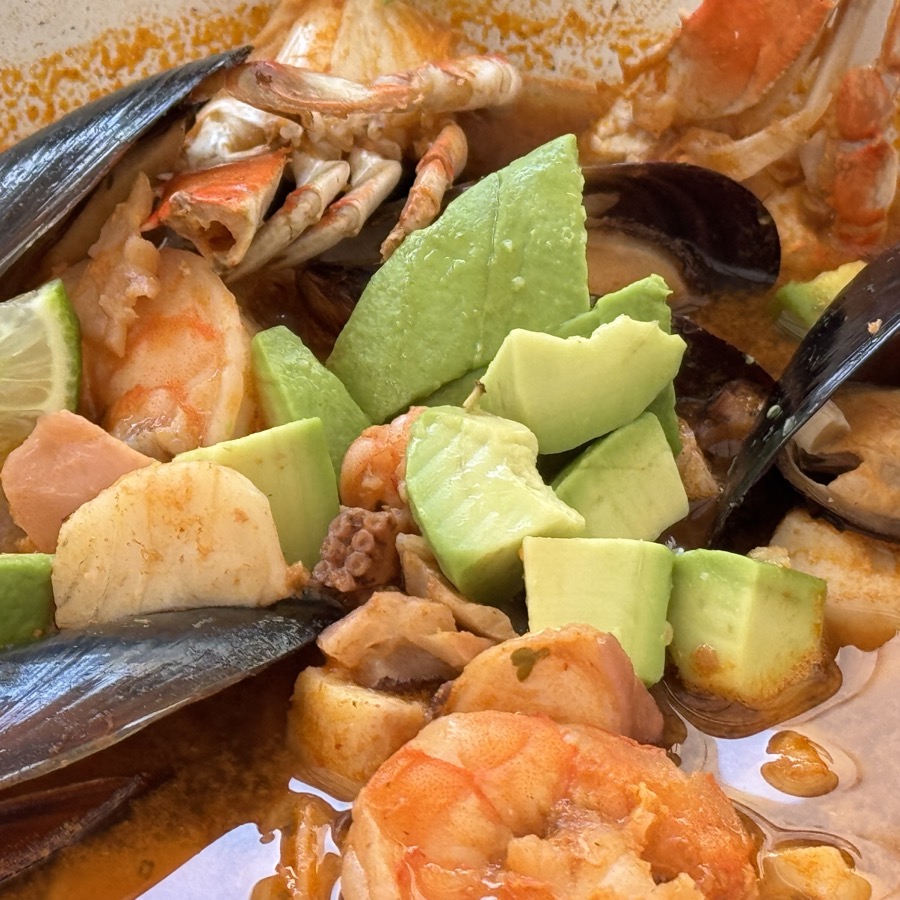
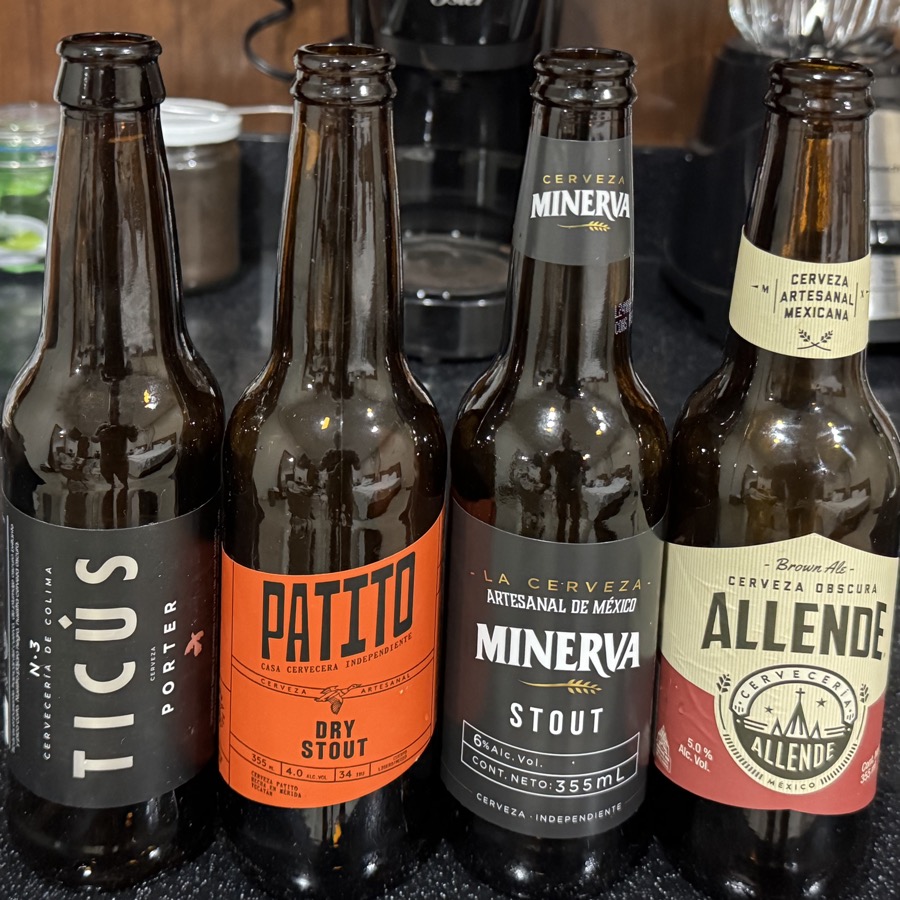
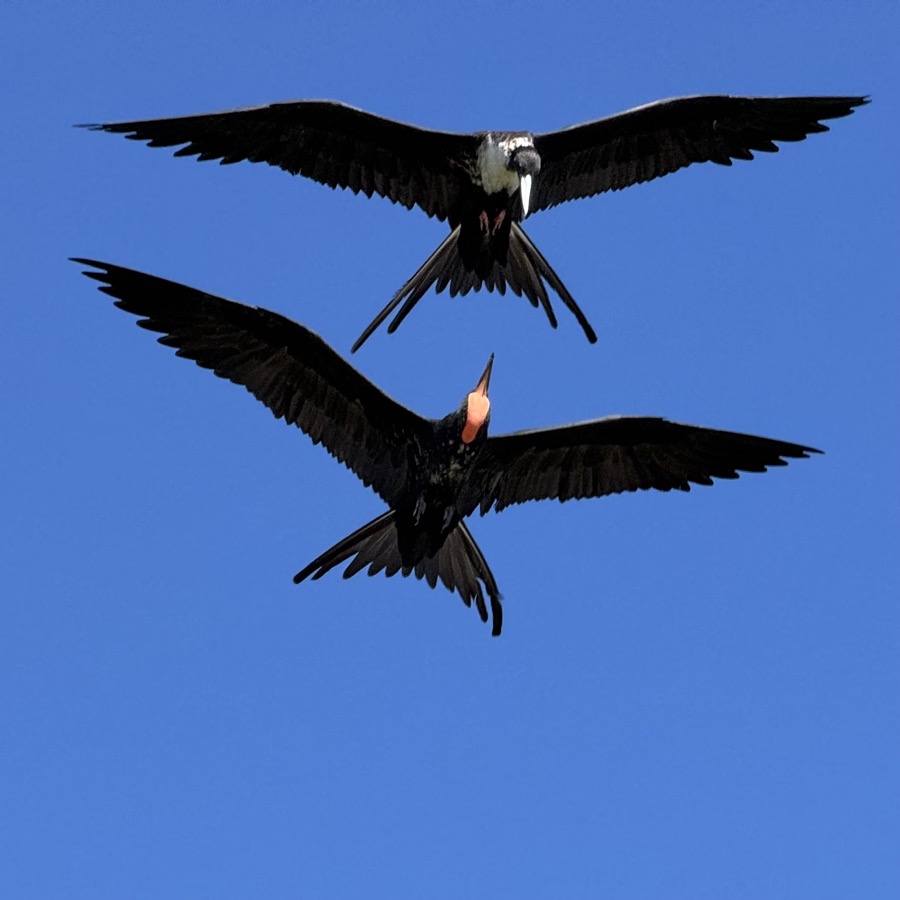
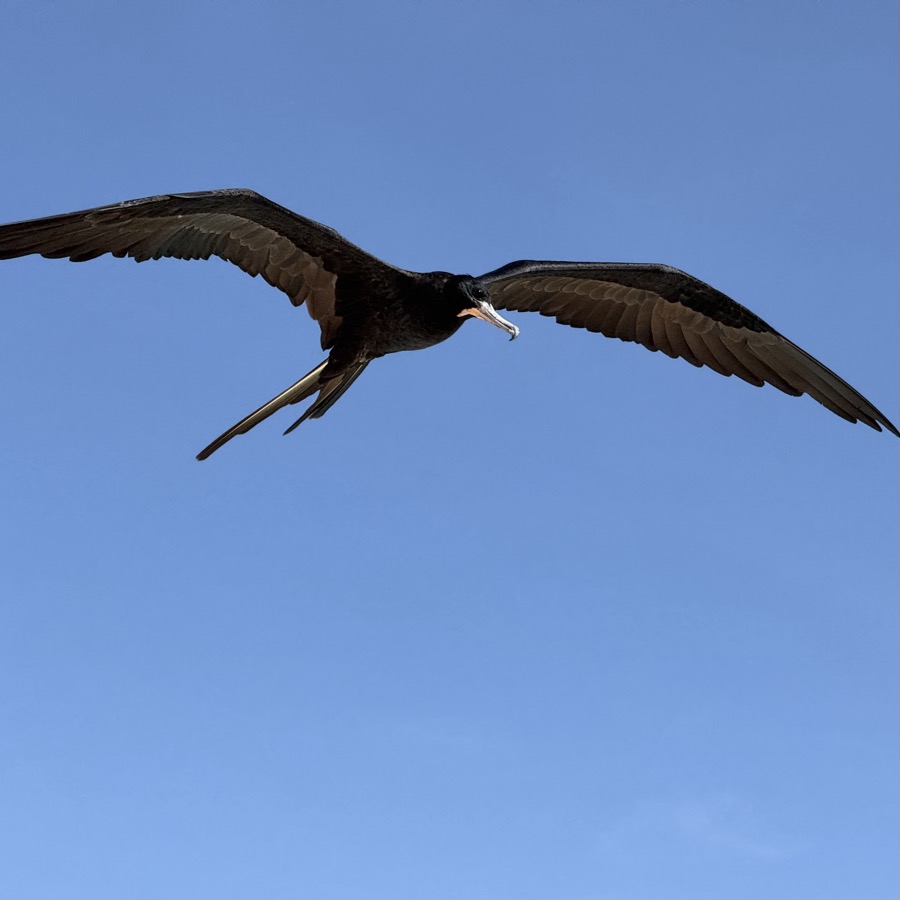
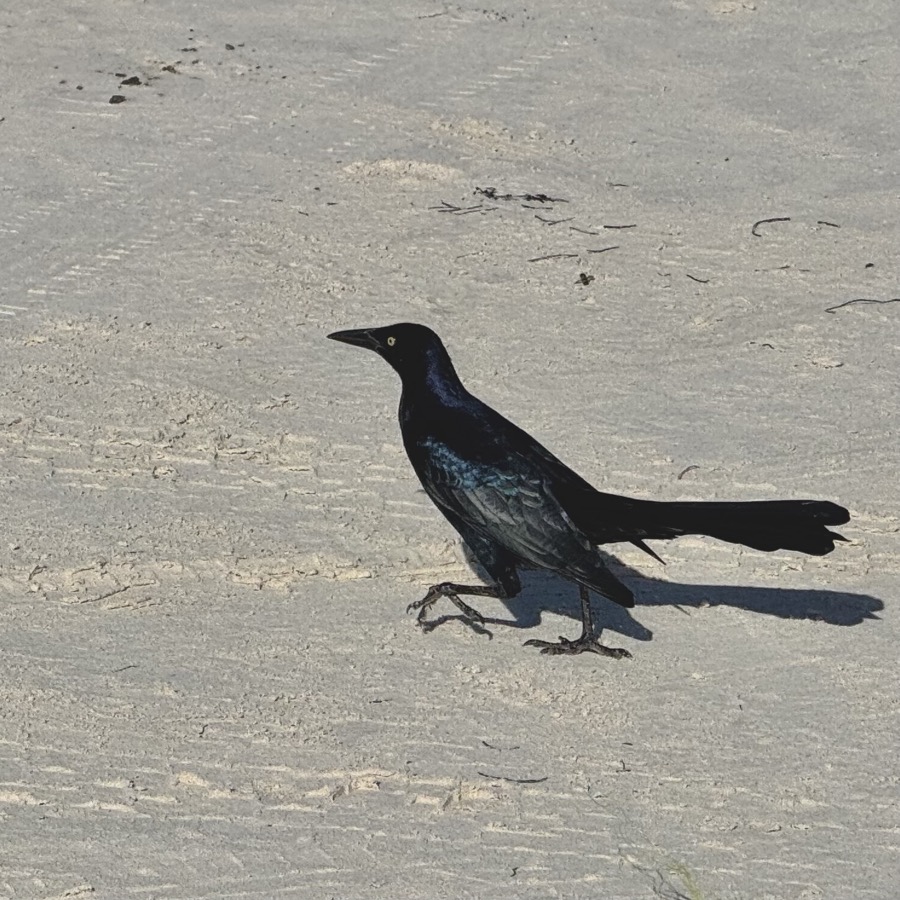
We liked tropical plants surrounding ruins and enjoyed watching iguanas, Yucatan jays and Great-tailed grackles. A predatory bird was circling in the sky above. We ended the day with seafood dinner at Sabor de Mar and Mexican craft beer in our comfy apartment.

Day 3.

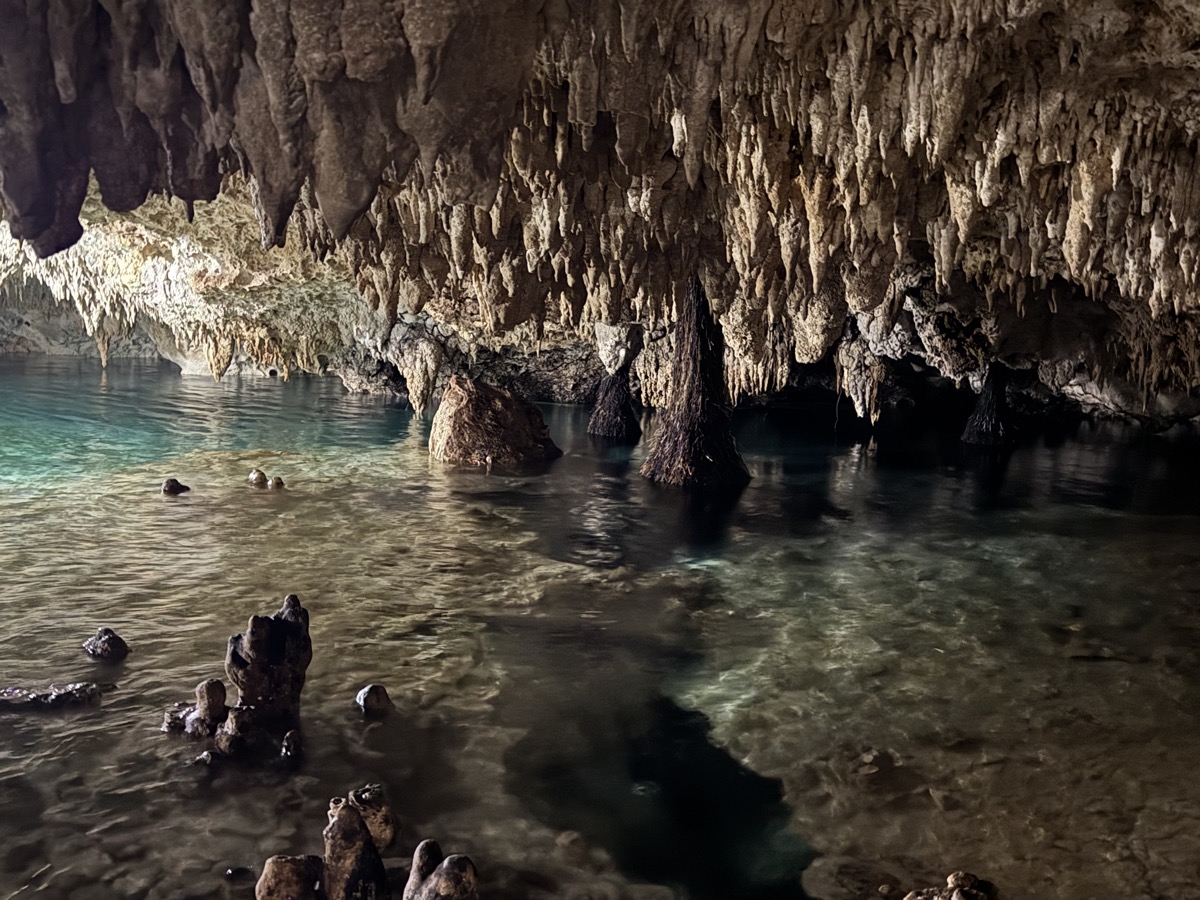
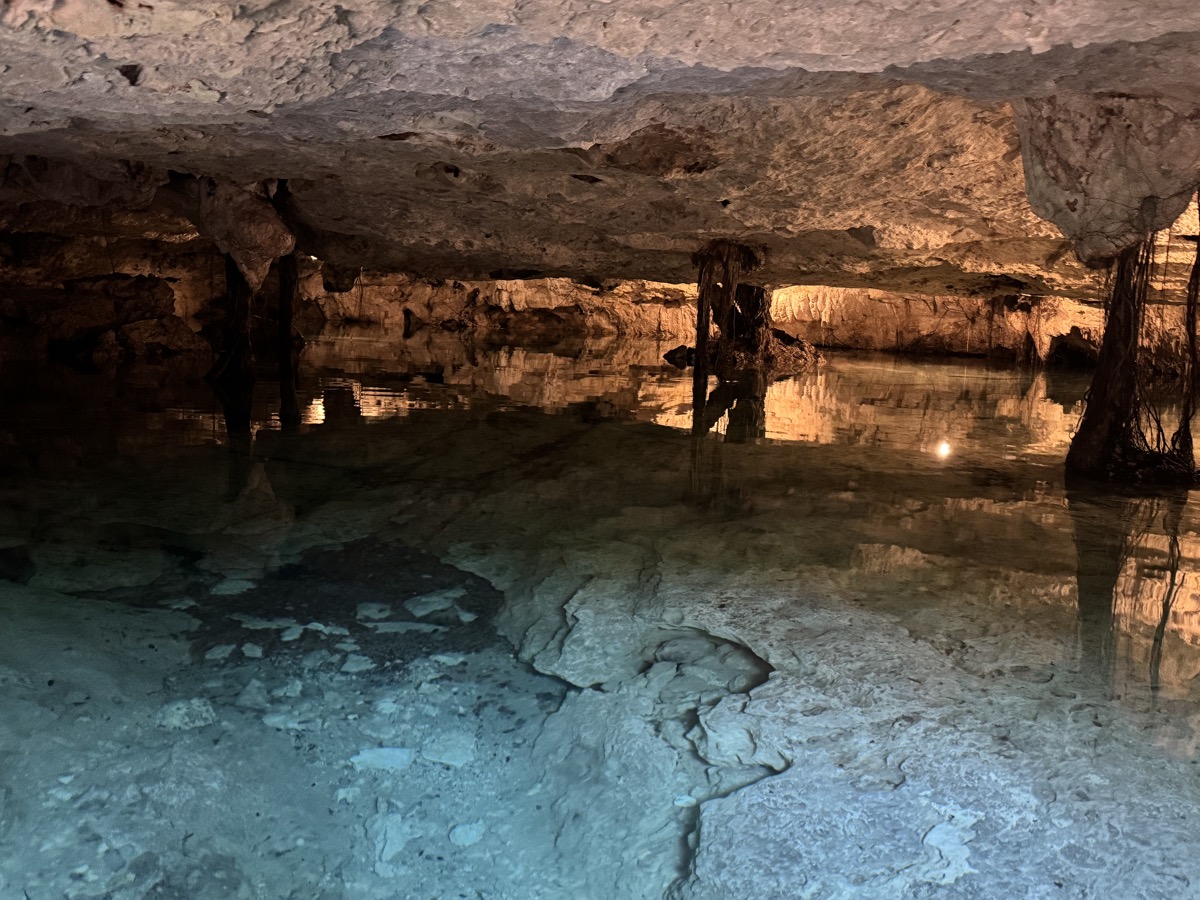
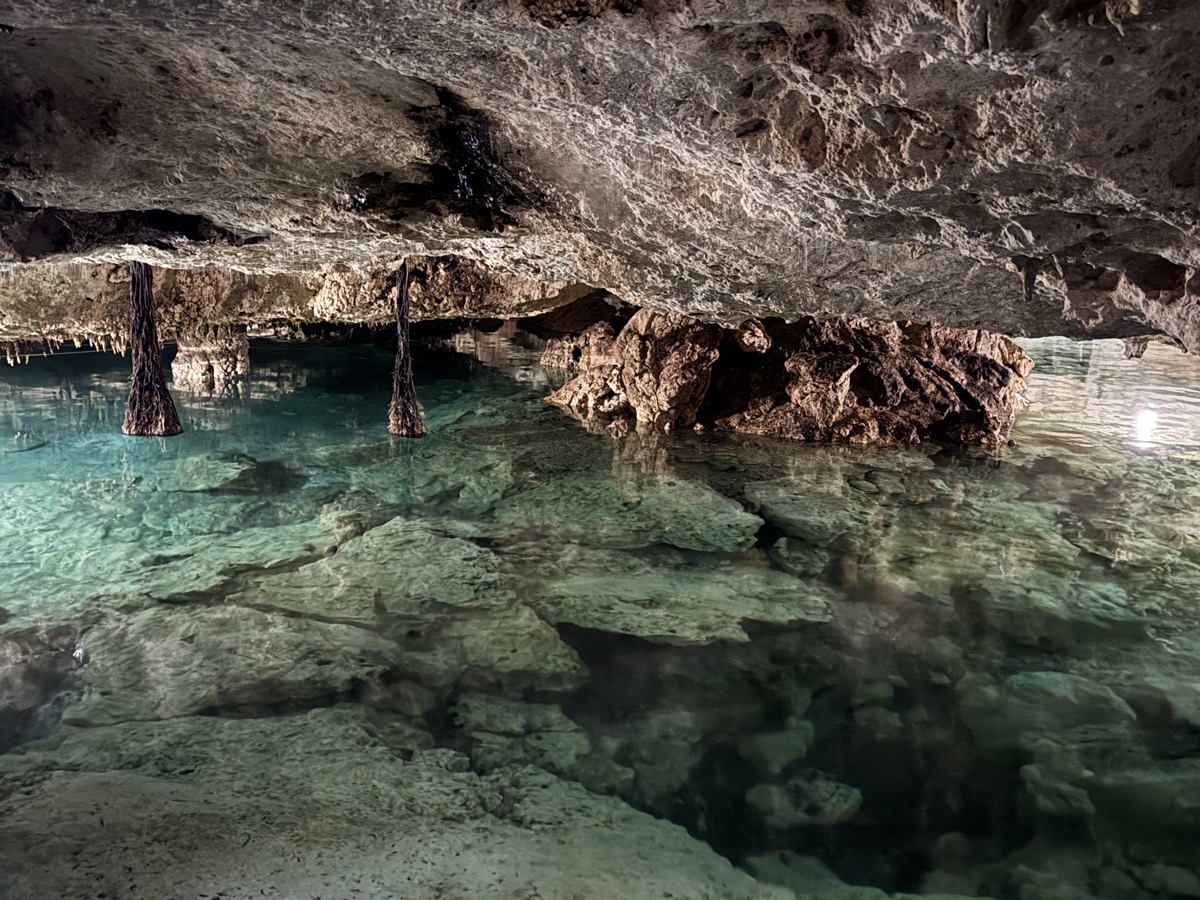
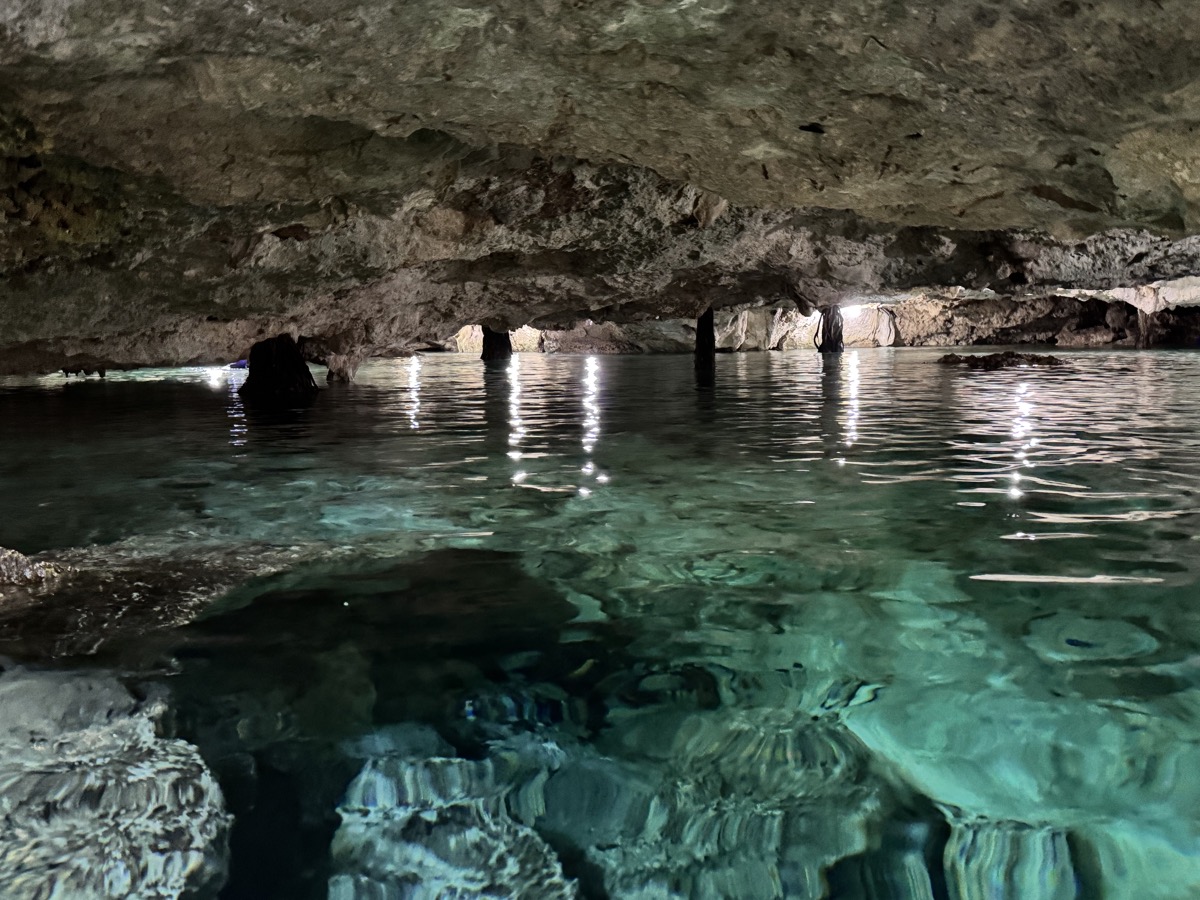
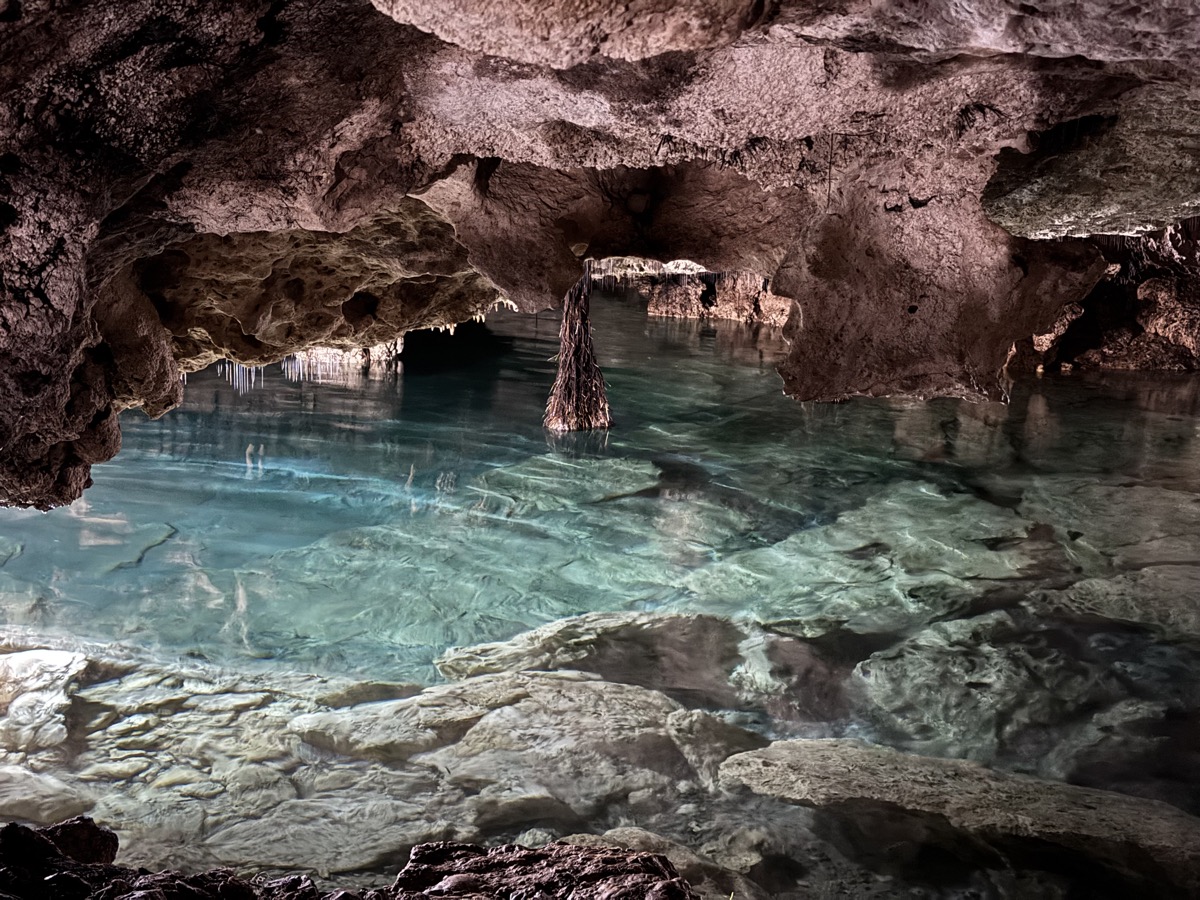
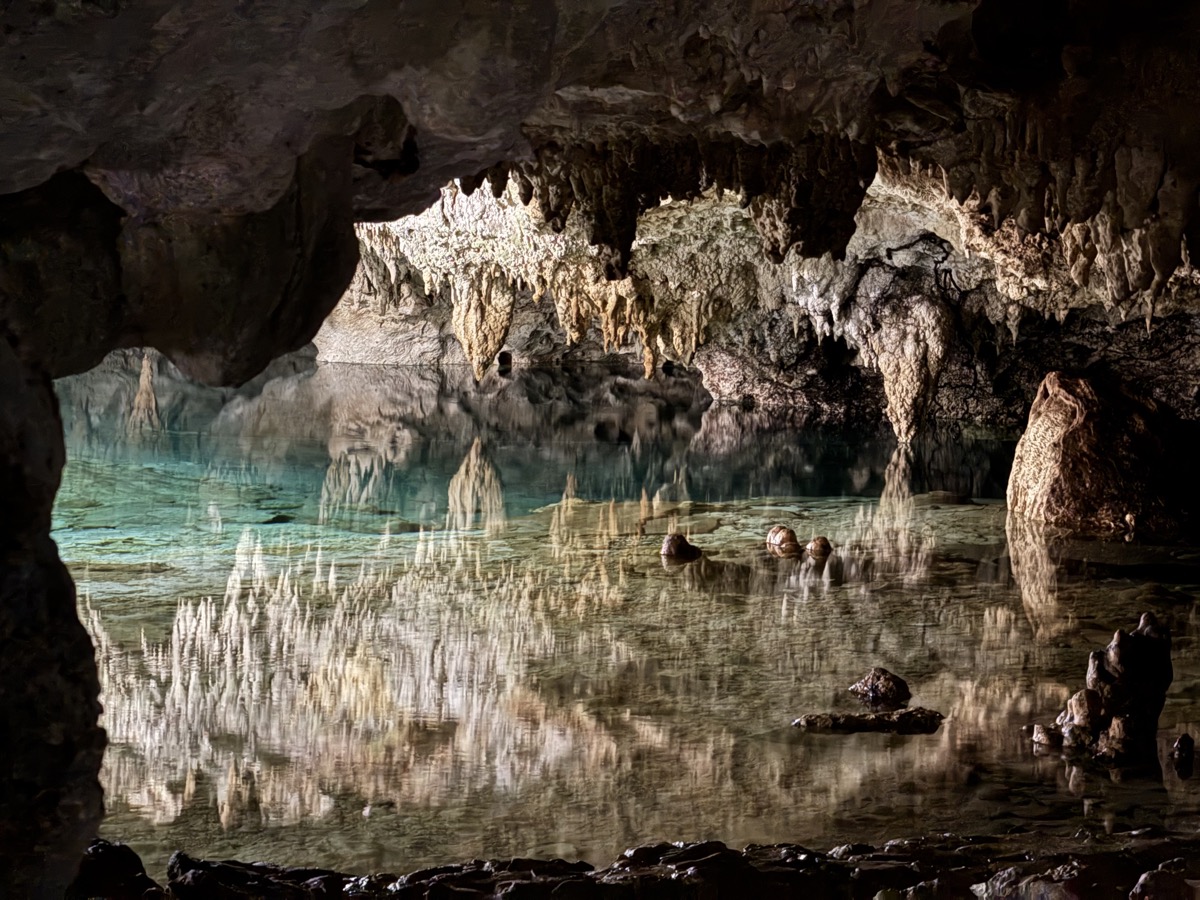
We are in Yukatan, we must snorkel/swim in cenotes. Short colectivo ride and shuttle into jungle and we were at Cenotes Yax-Muul. We first explored three cave cenotes with entertaining guide, Joanna rappelled down into one of them and then we went back to swim some more on our own. Water was very clear and at most time there were no or not too many people nearby (except for rappelling) making it an interesting experience.

Day 4.

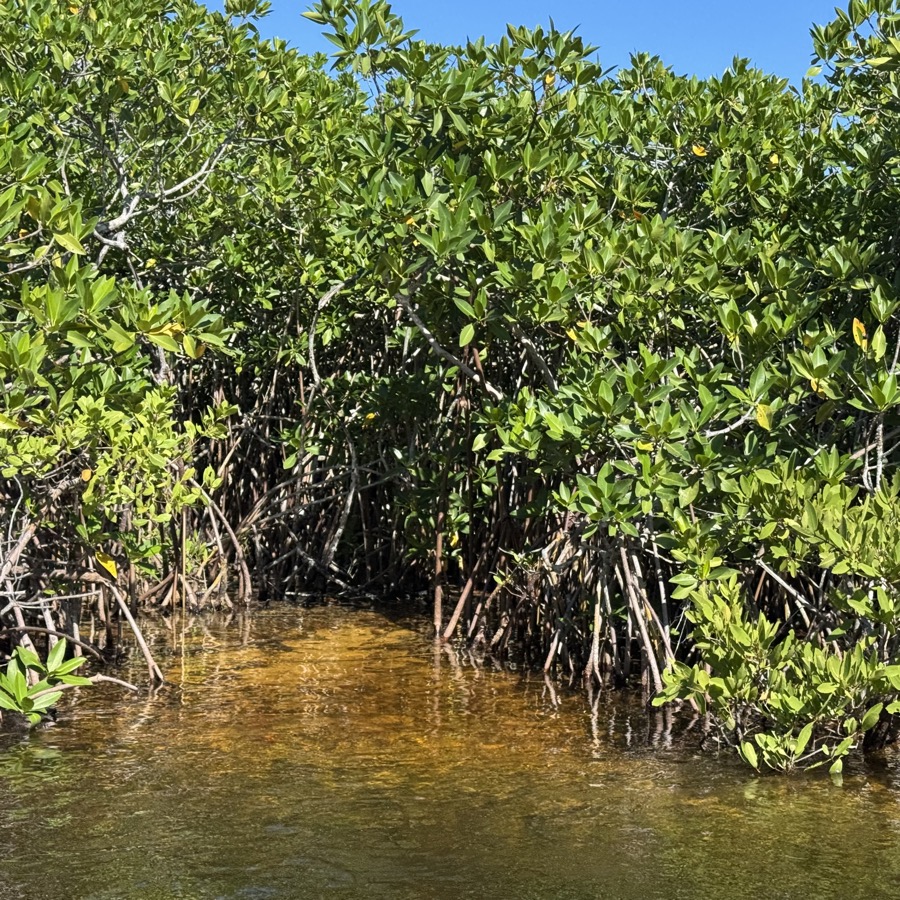
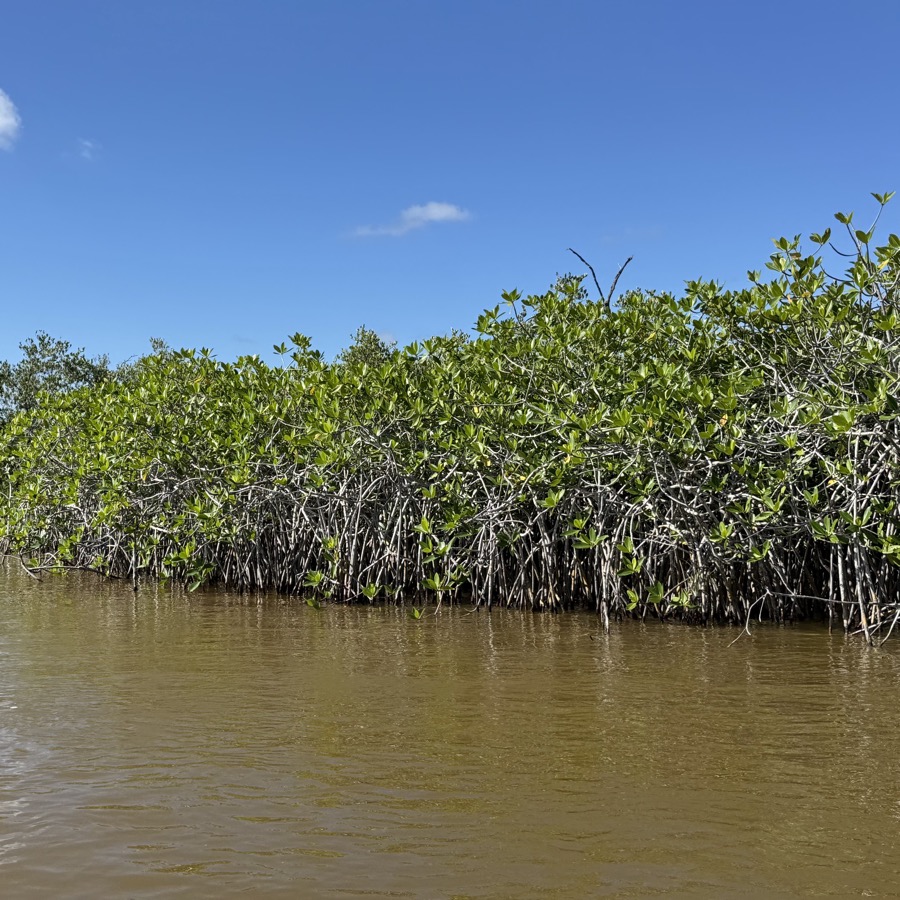
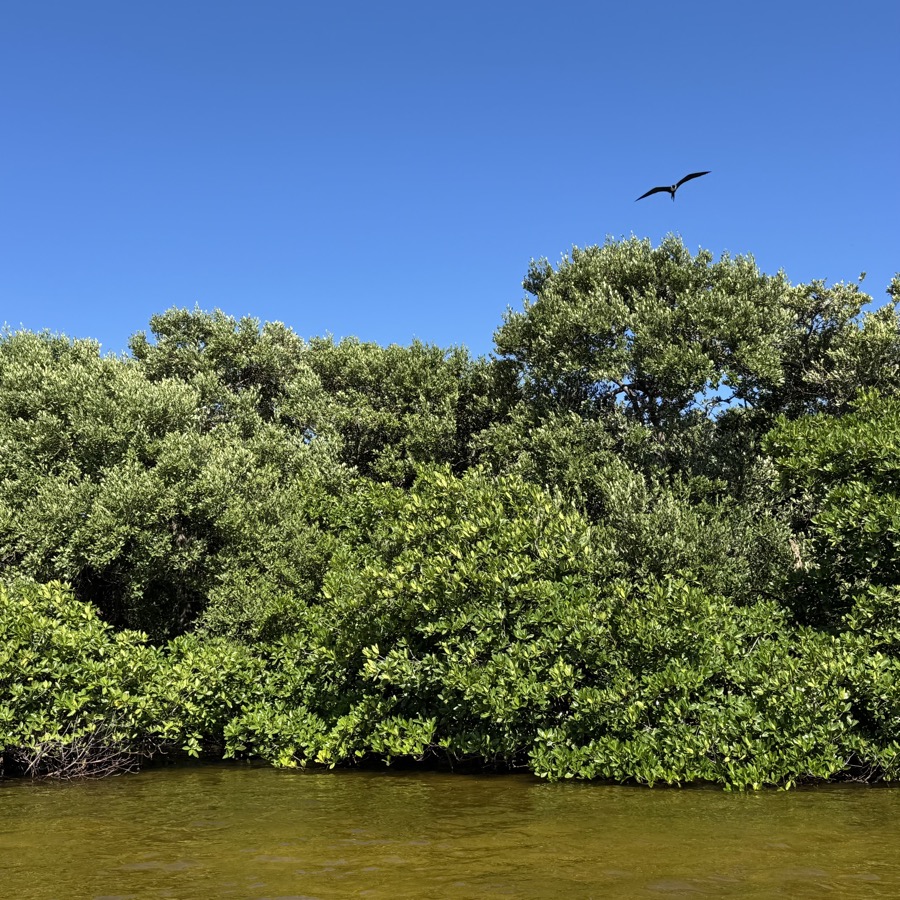
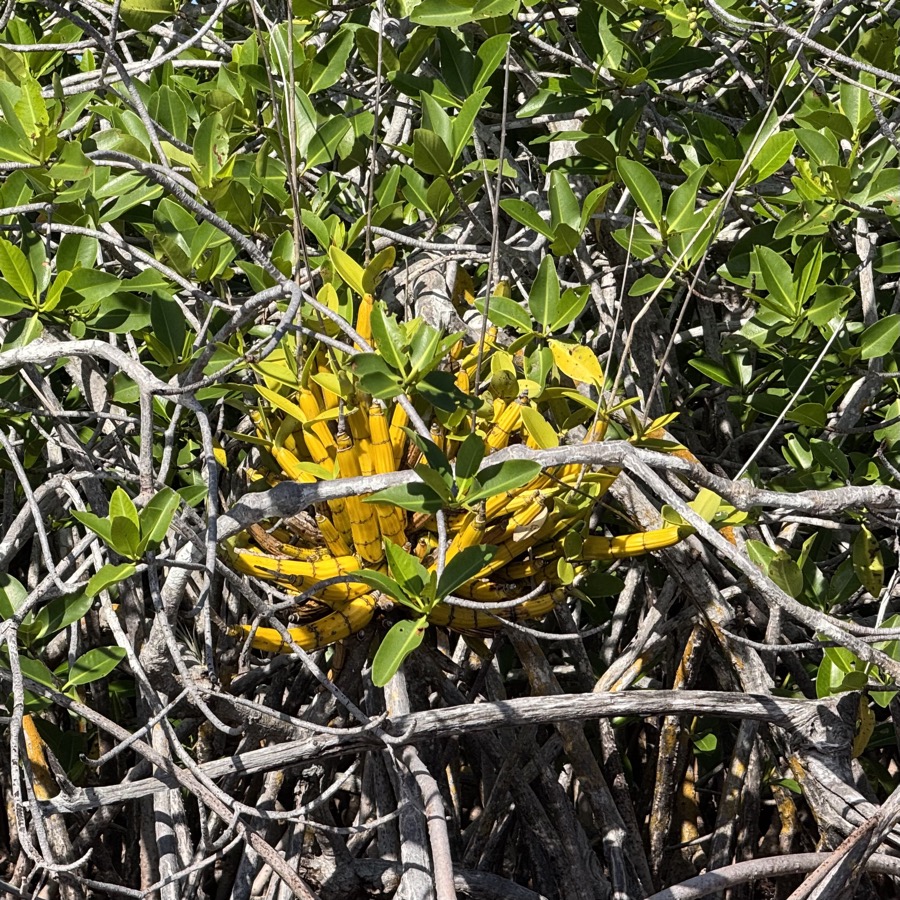
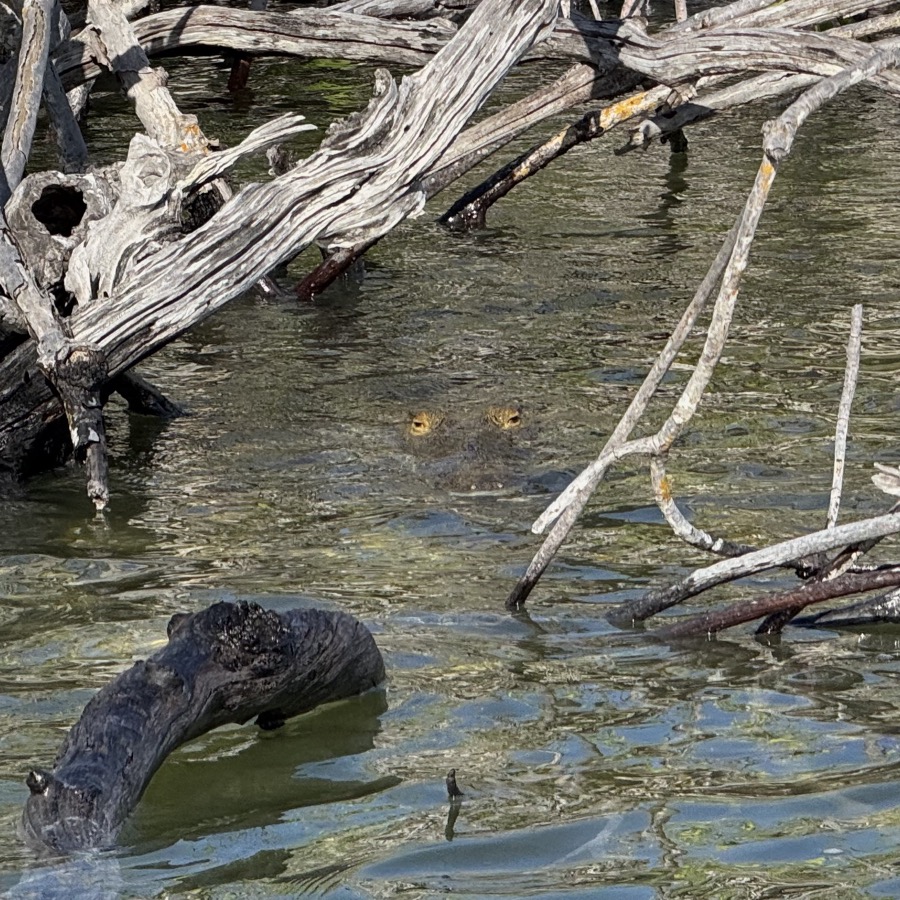
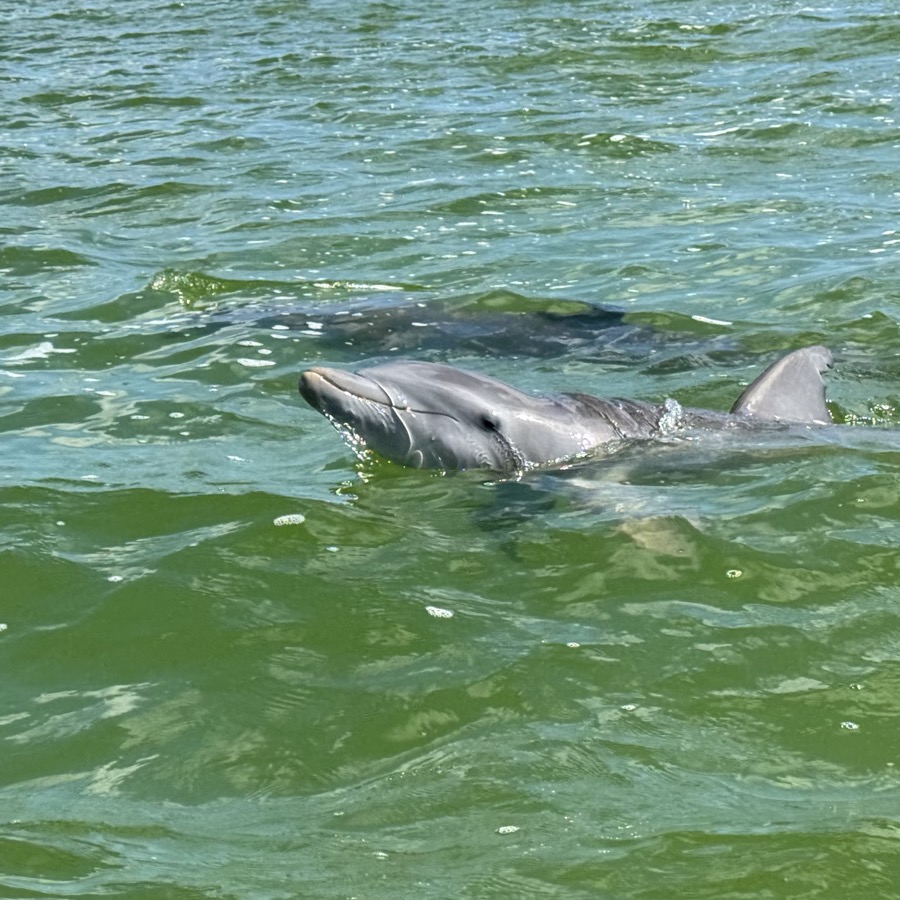
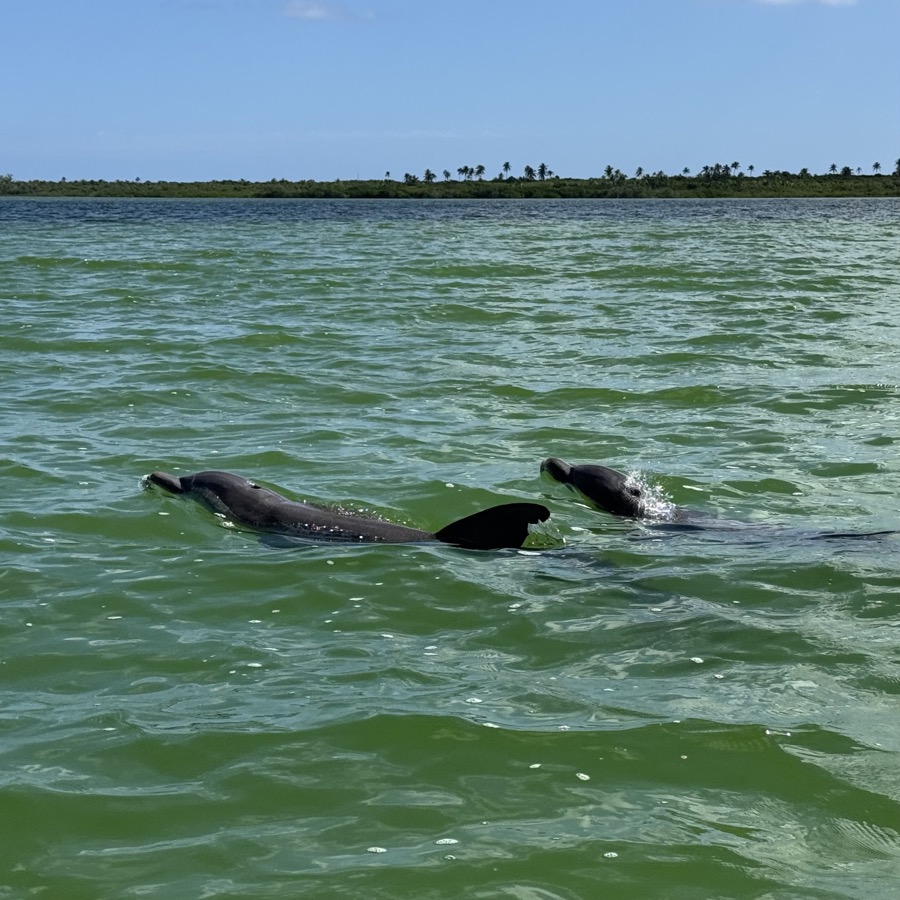
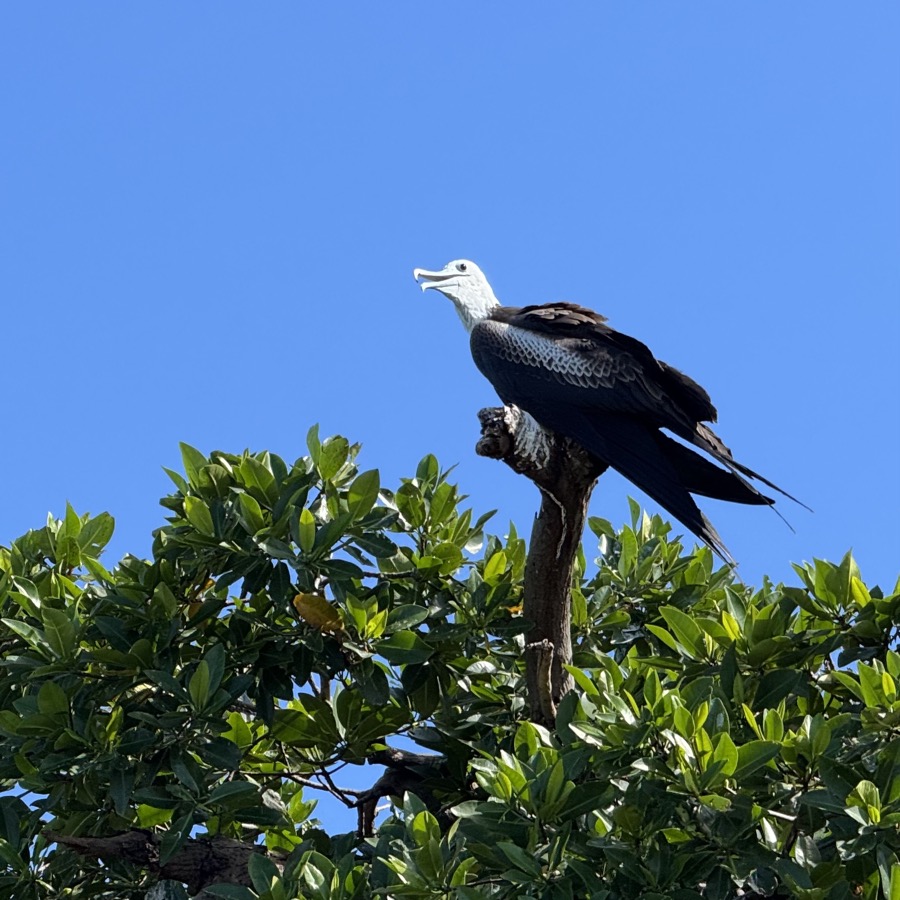
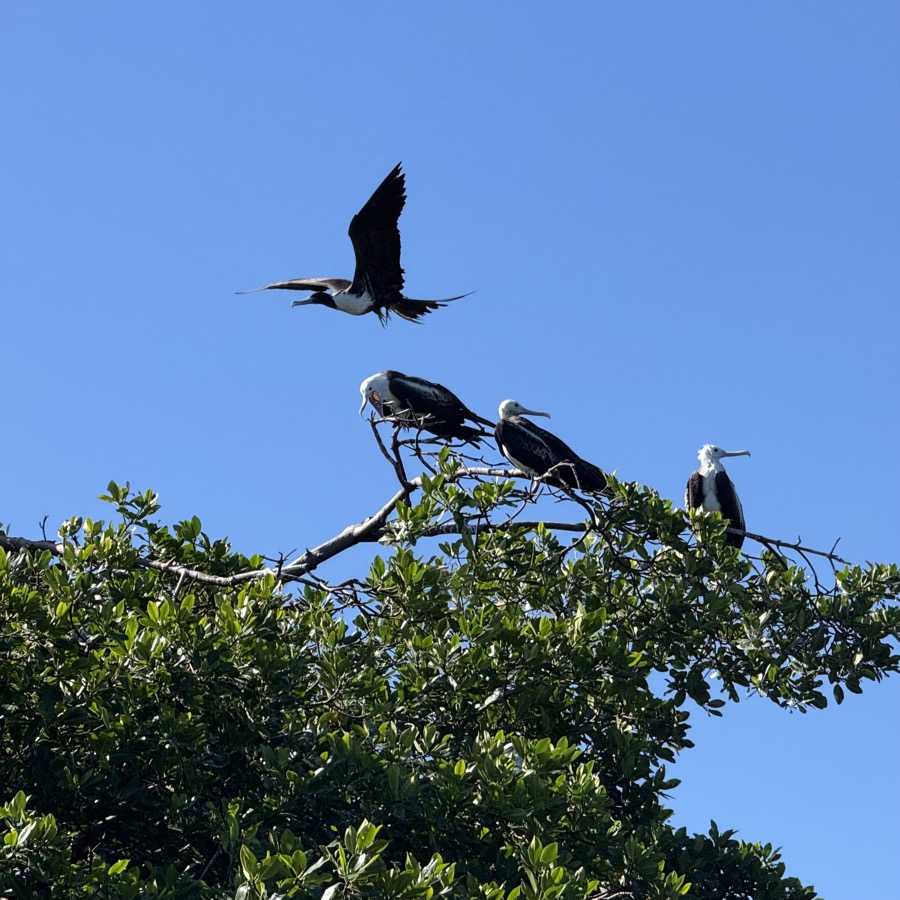
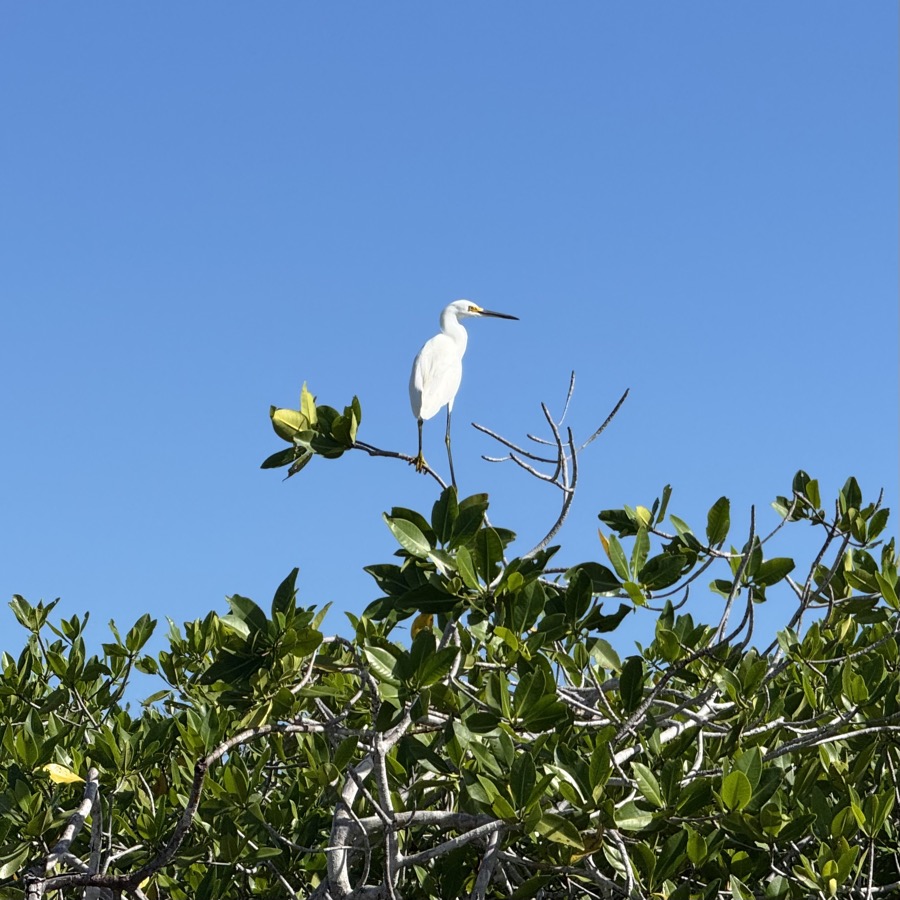
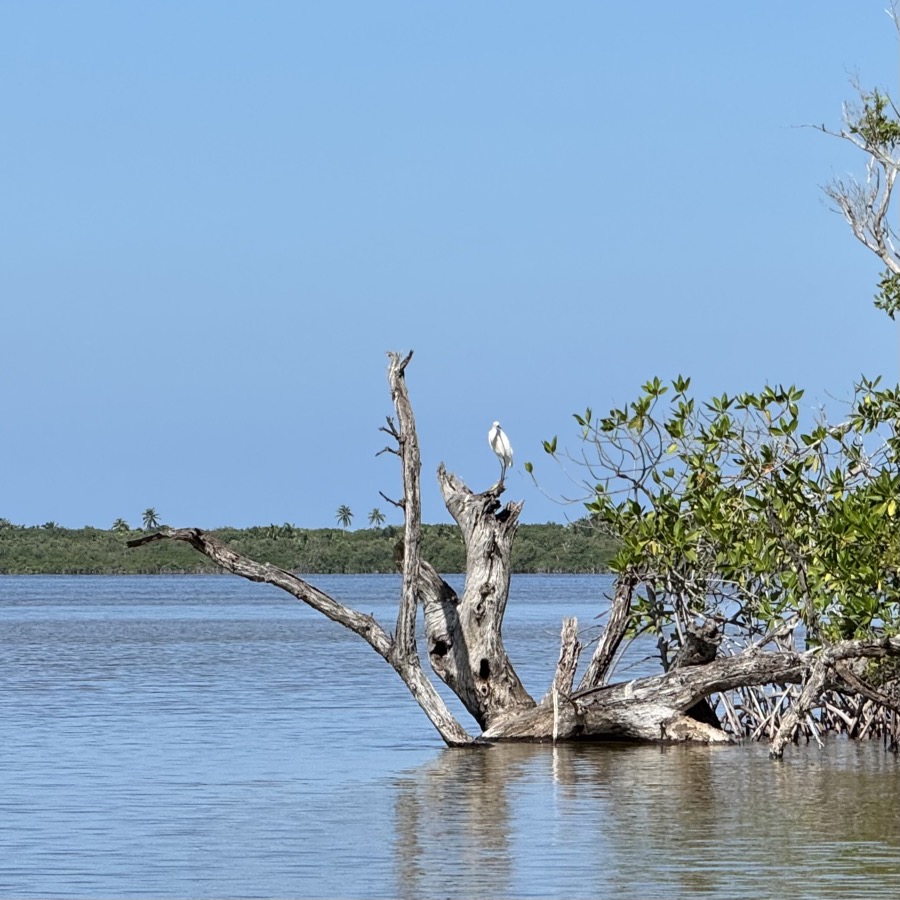
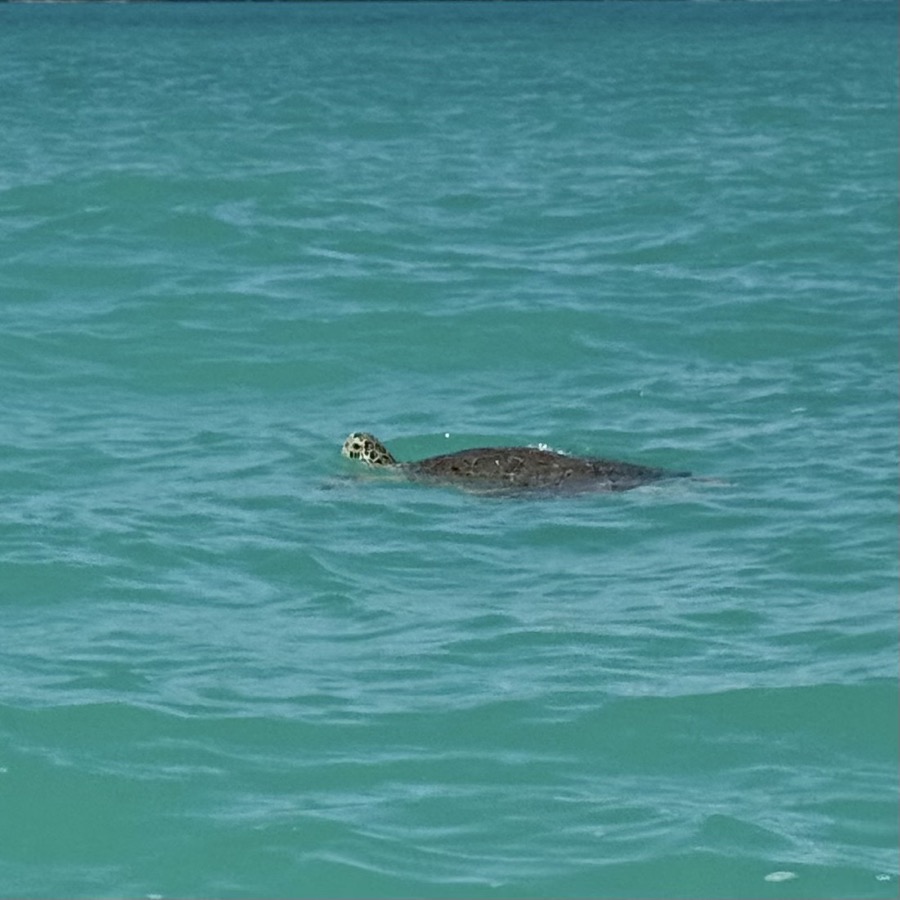
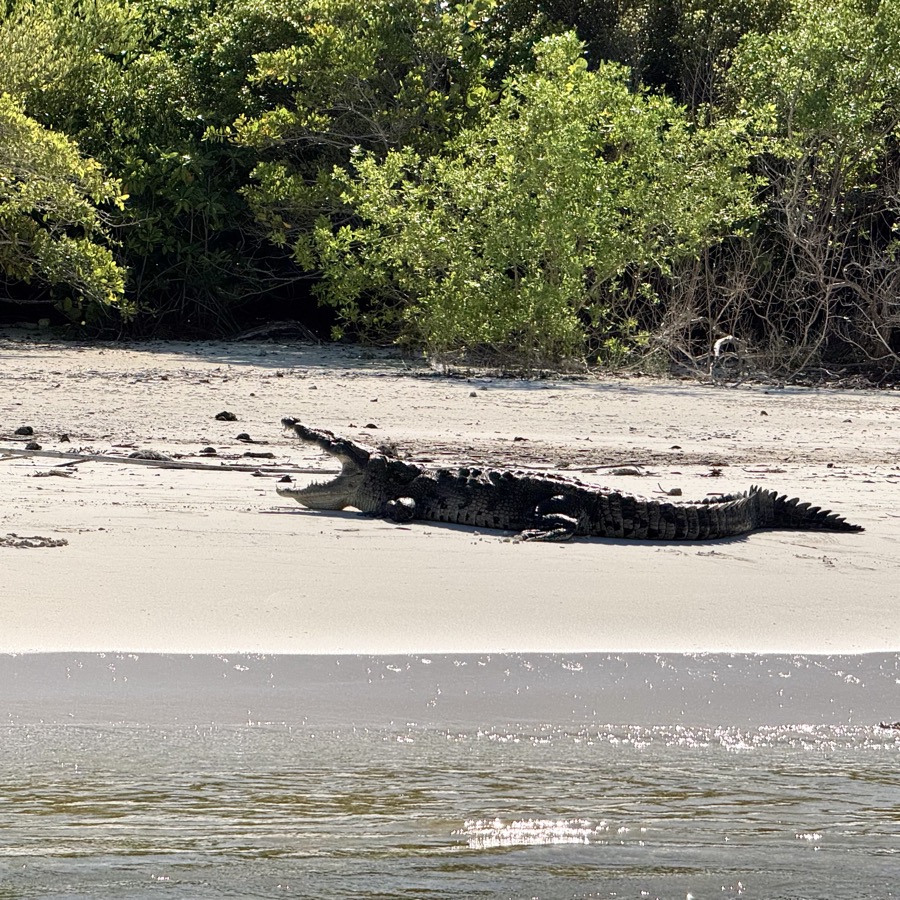
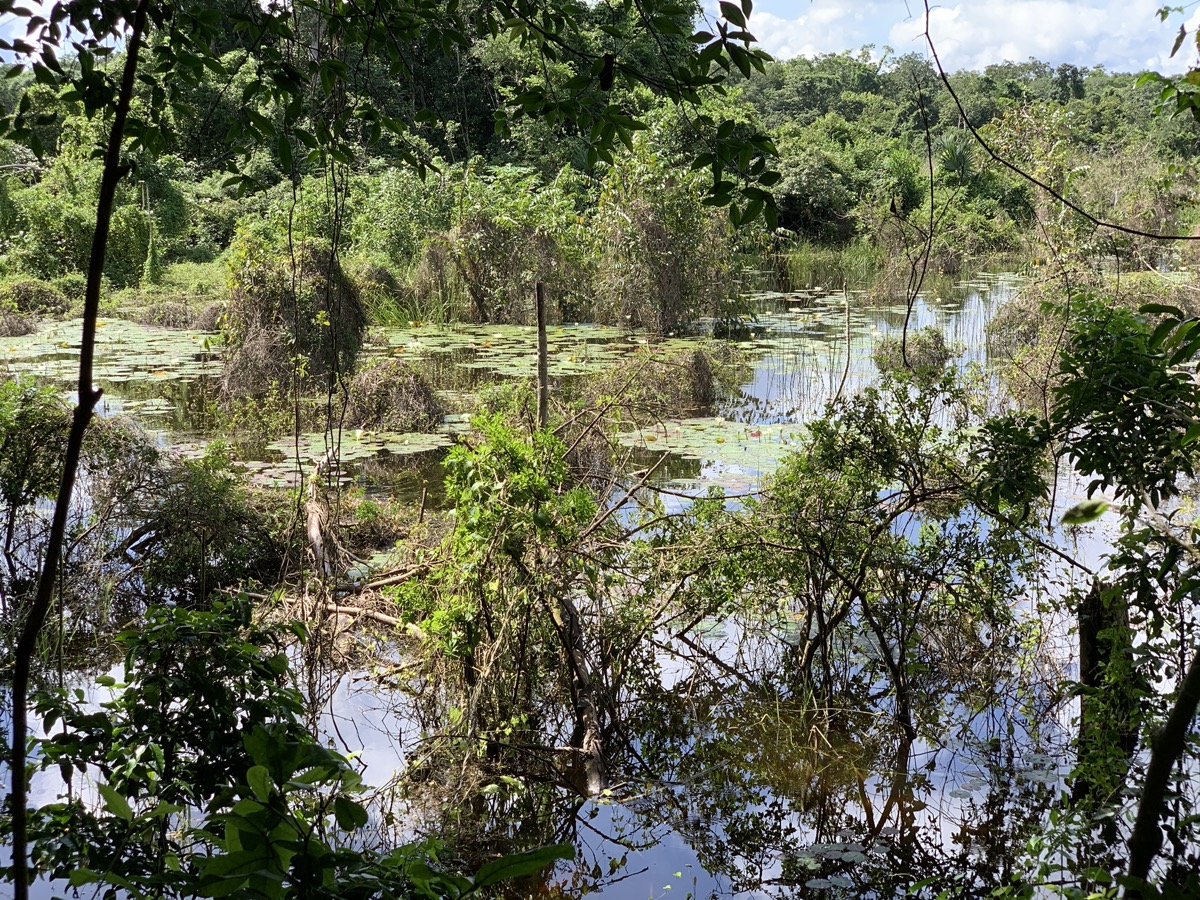
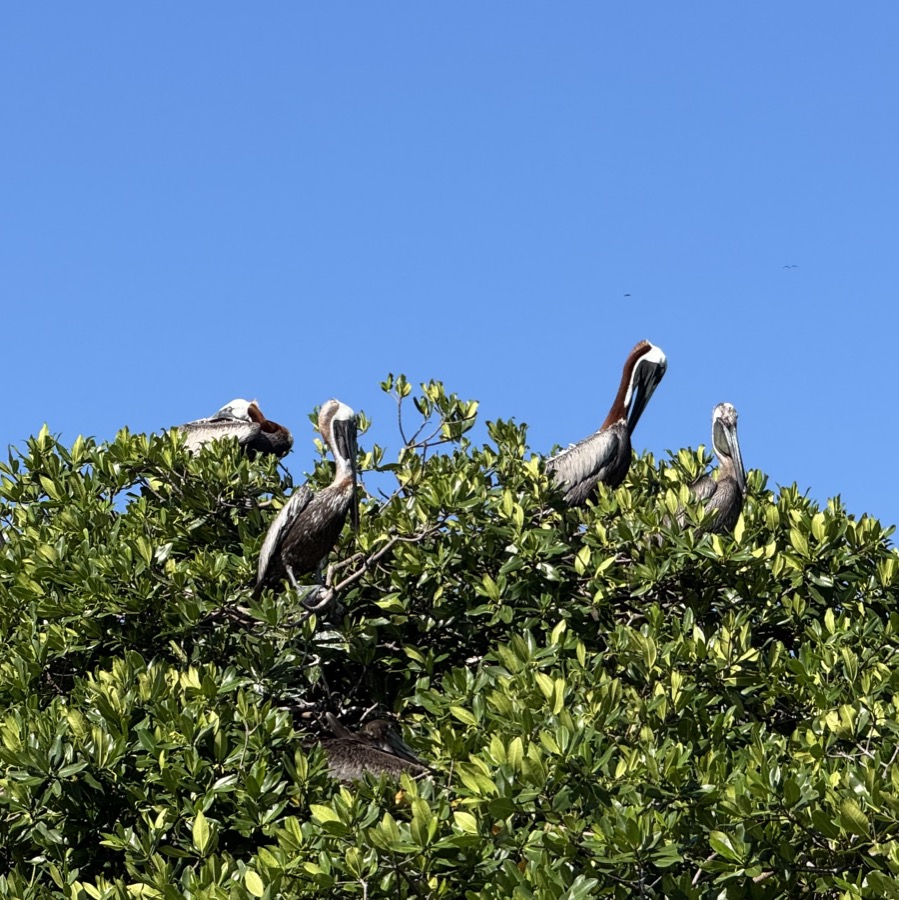
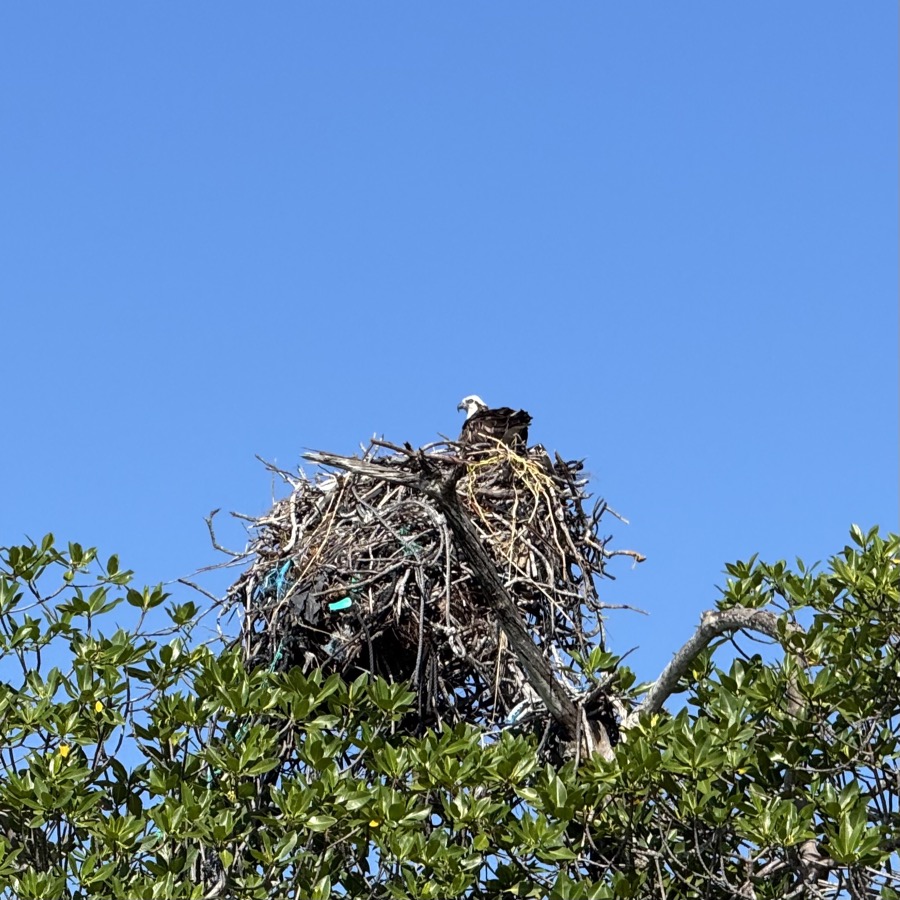
Sian Kaʼan Biosphere Reserve: boat tour of brackish water lagoons and mangroves watching wildlife. Plus soaking in Caribbean Sea at Punta Allen beach followed by lunch in local restaurant. The sea was too rough for snorkeling at coral reef. We were lucky to see several (West Indian) manatees hanging around underwater cenote. They appeared for a few seconds at a time to breath, we gave-up on taking pictures and just observed them. We spent some time with two pods of (Bottlenose) dolphins, watched turtles and crocodiles. We circled around Isla Pajaros to watch birds. In addition to what we captured on film (below), we saw vultures, cormorants, ibis and other birds, and another, this time very large crocodile parked at red mangrove edge.

Find Nearby Share Location Get Directions
Close

We went with ☞ Mexico Kan Tours (recommended), after extensive on-line and in person investigation. Good decision: everything was well organized and relaxed, guides were good and engaged, groups were small, we were quite lucky with wildlife, but wished conditions were good for snorkeling. The entire tour was from 7 am pick-up to 4.30 pm drop-off with 6-hour and 80-km boat part.

Day 5.

Kind of slow day. Joanna was looking for open cenotes to swim in, found deep Cenote Cristal with fish and turtles. Many open cenotes were closed because of recent rains. Piotr was resting.

Day 6.

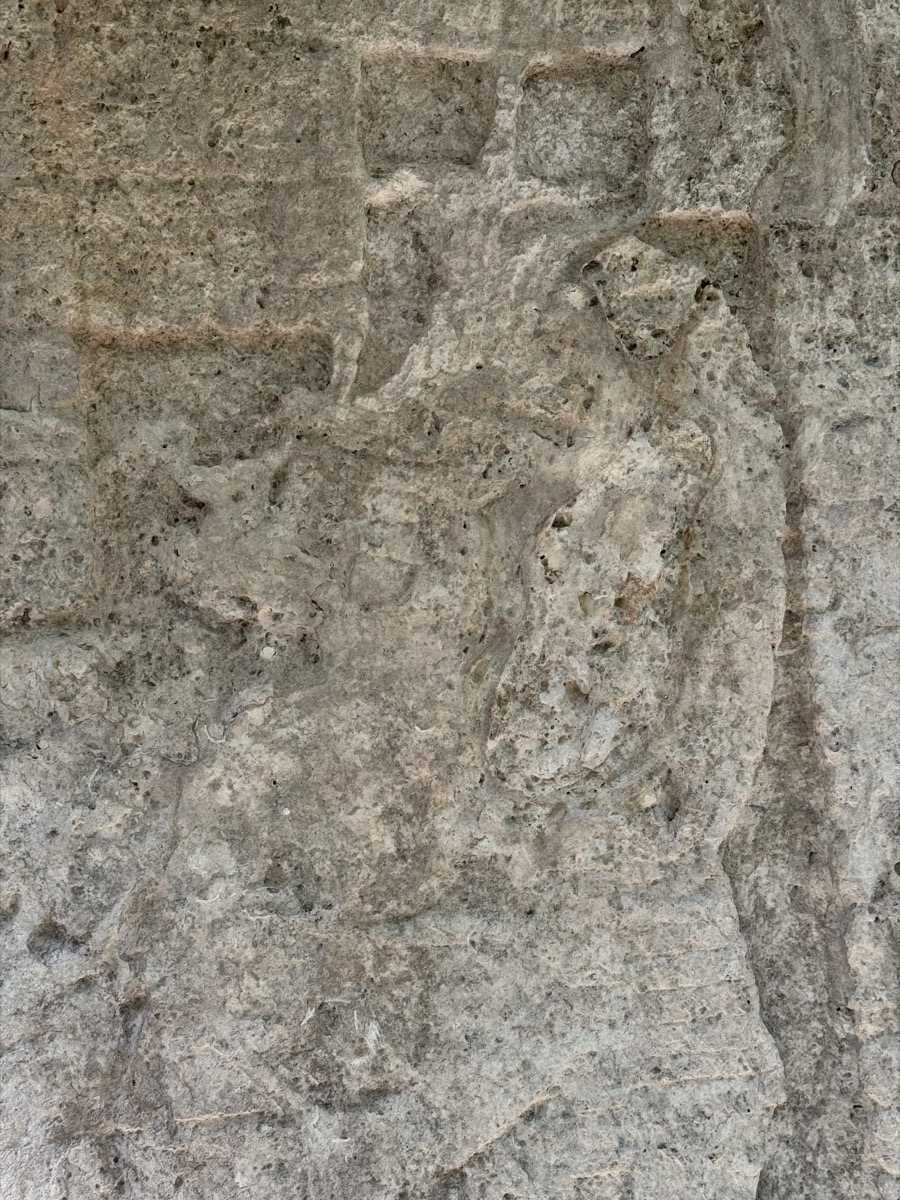
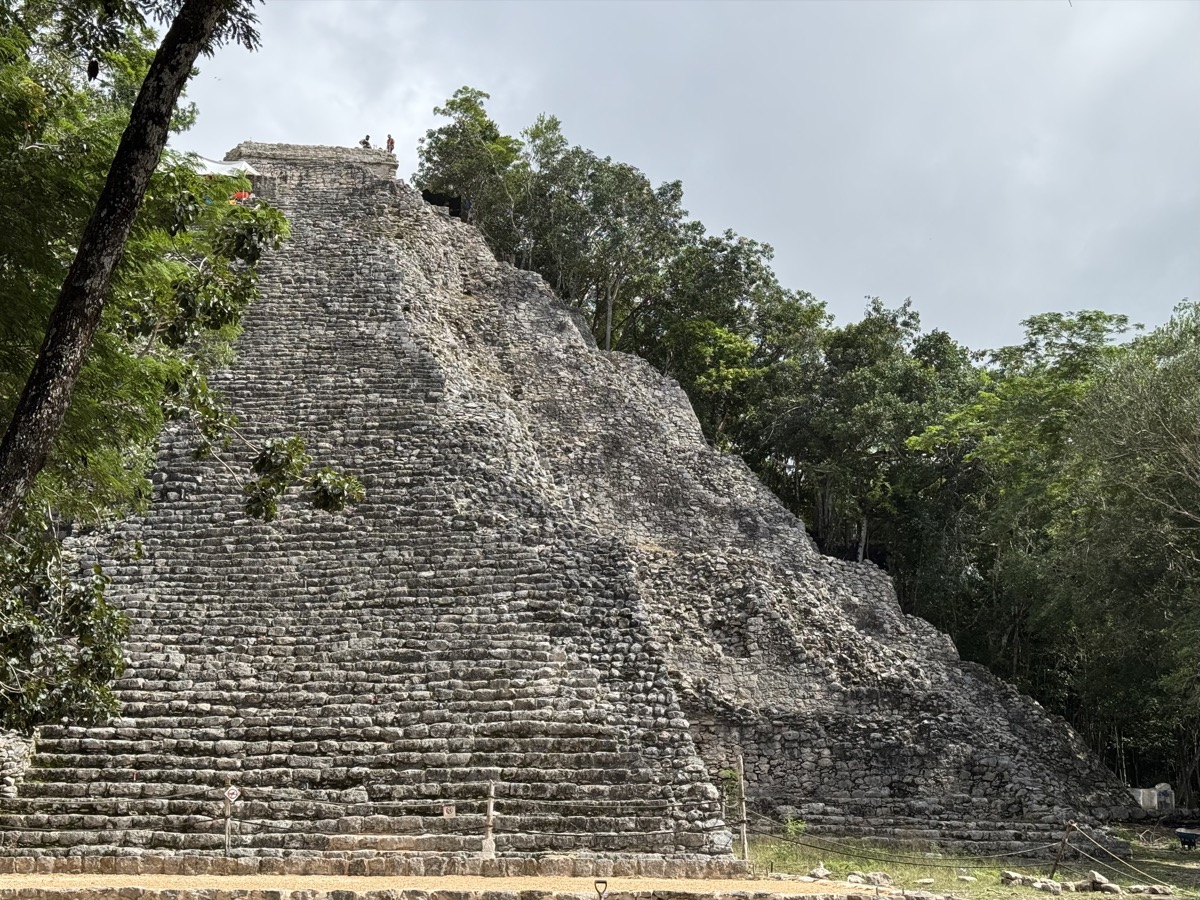
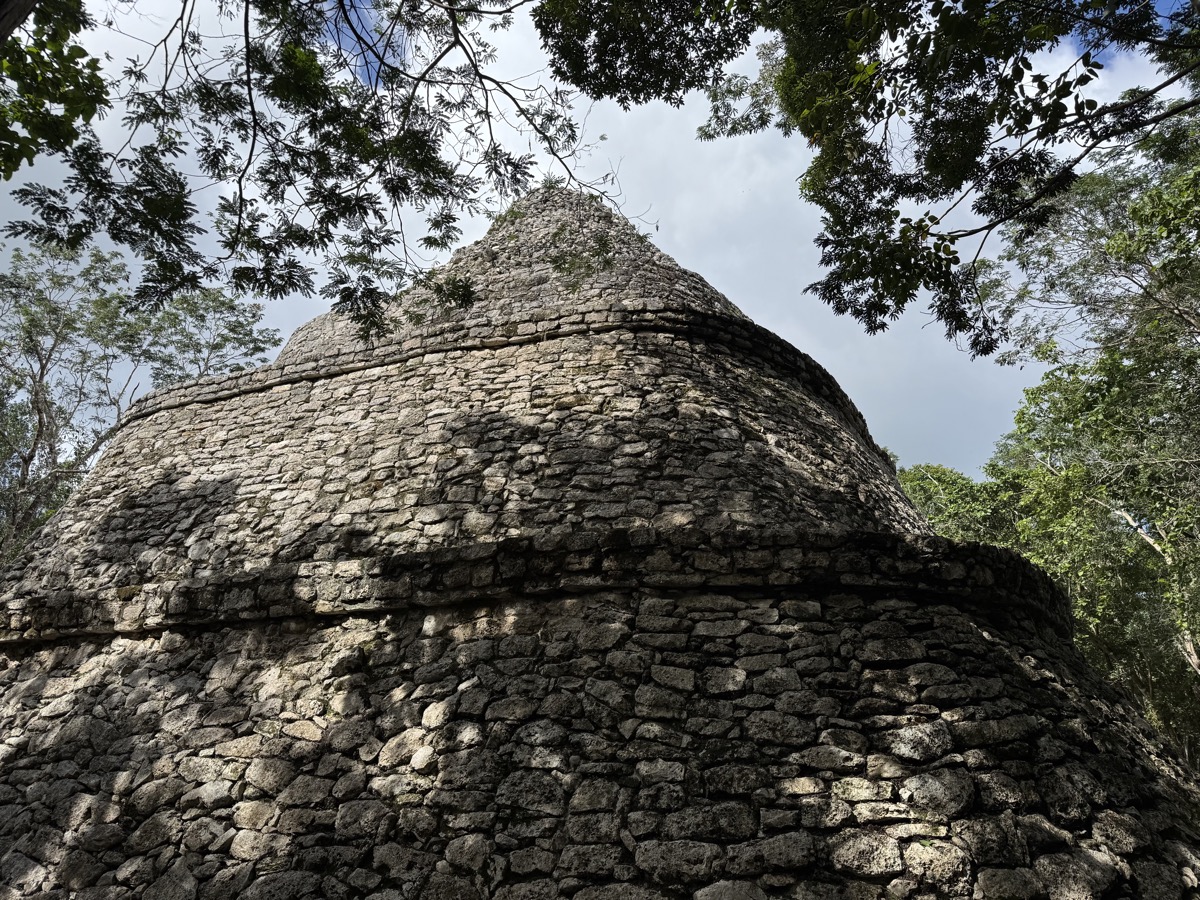
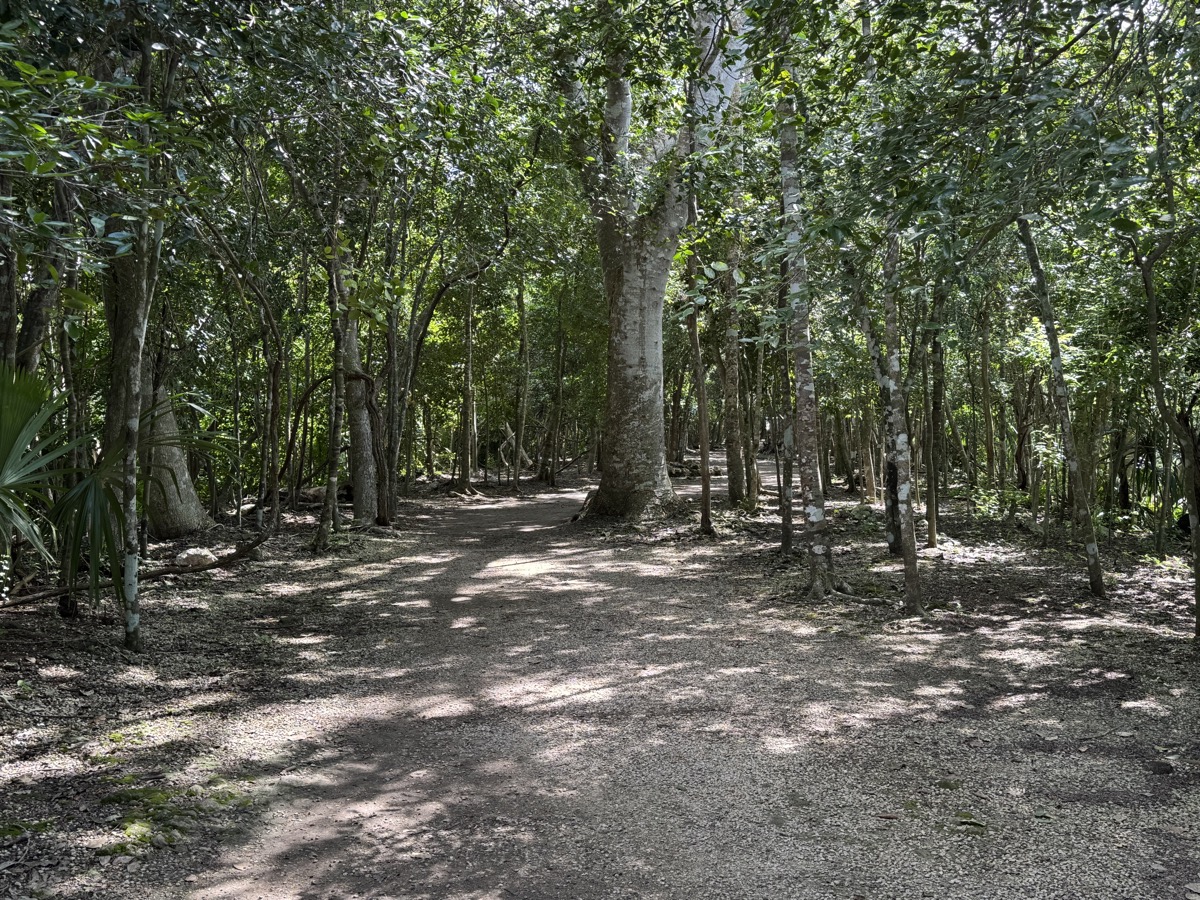
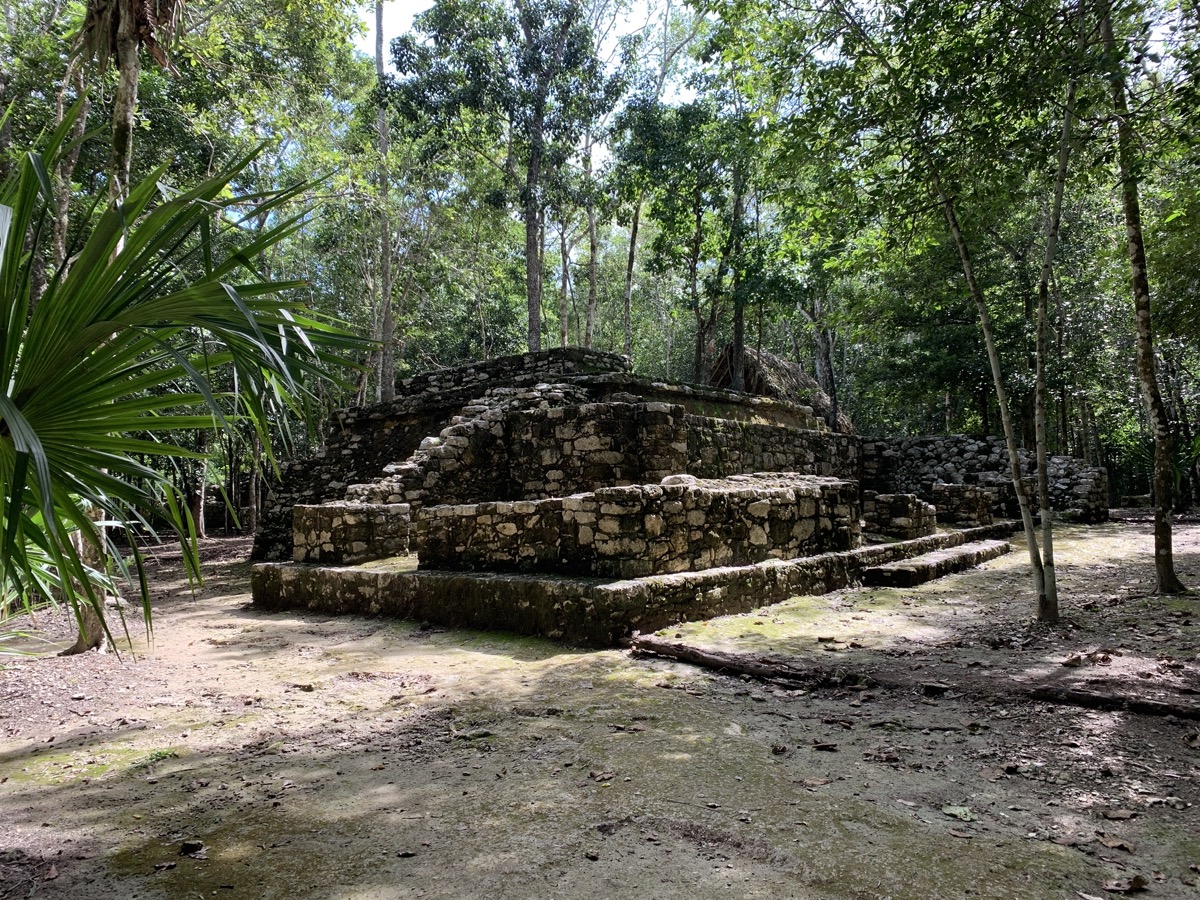
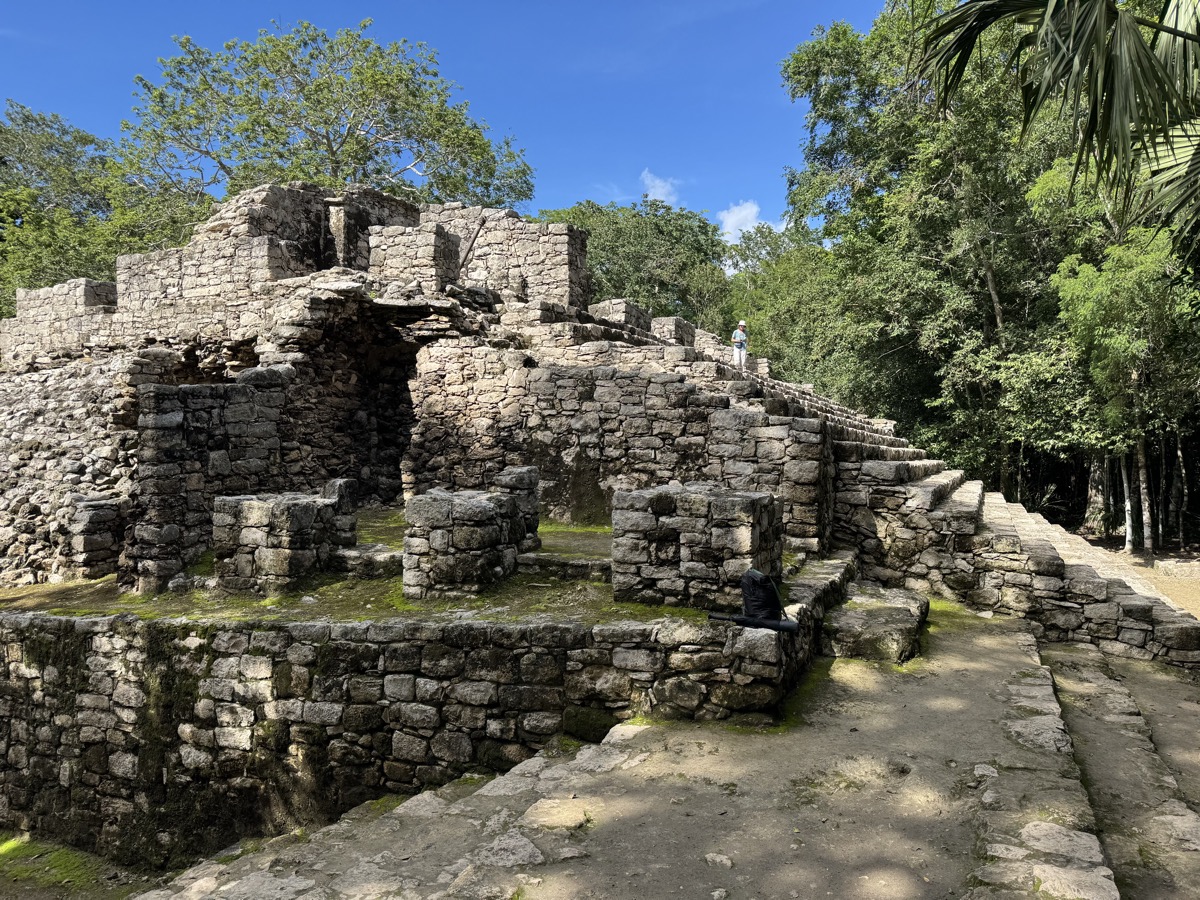
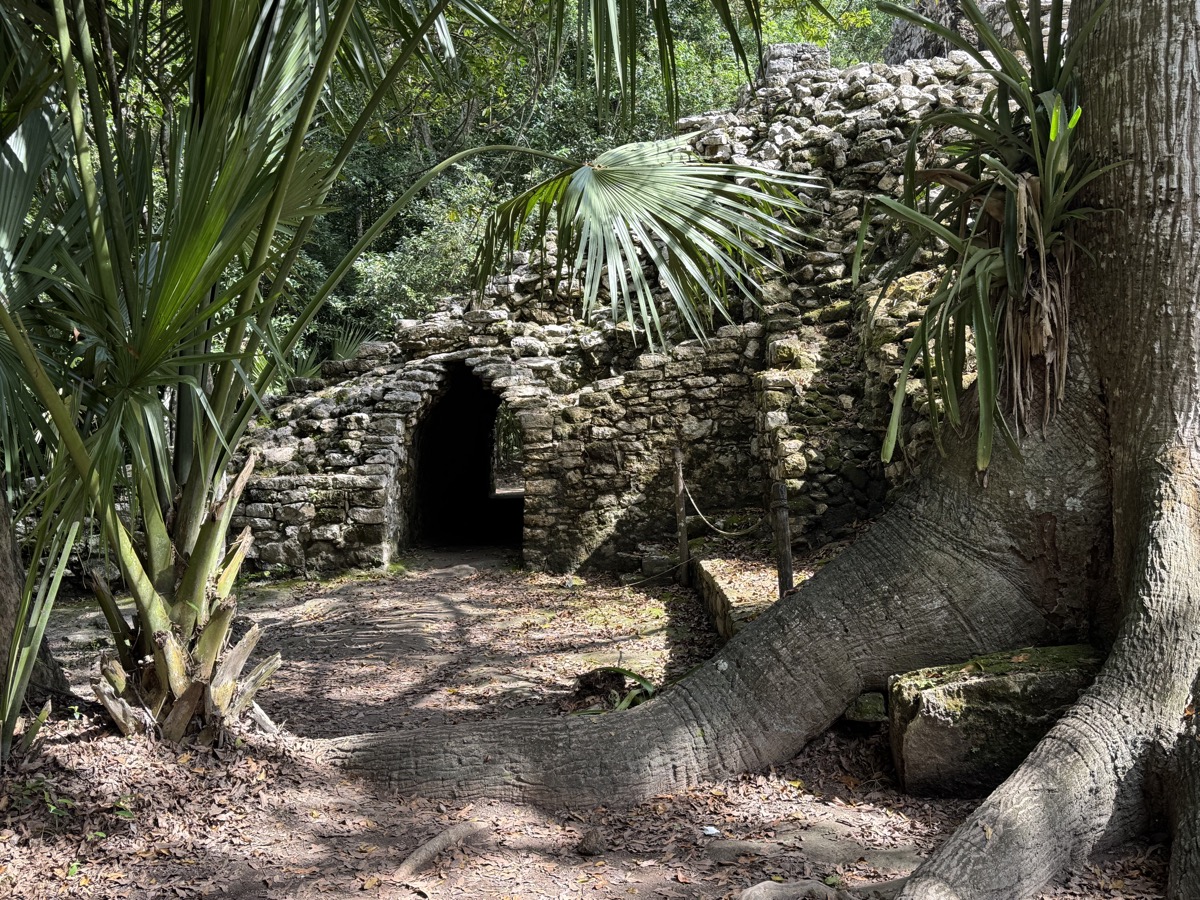
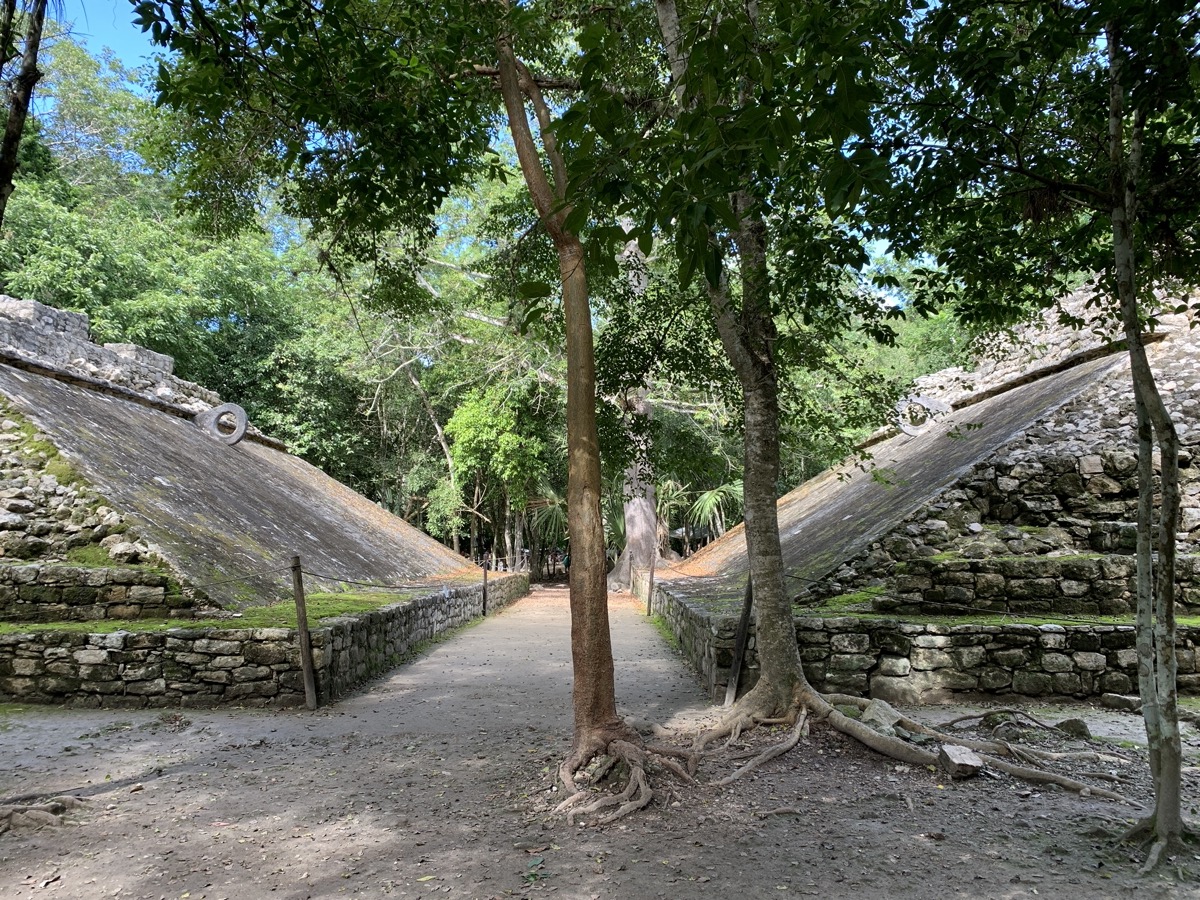
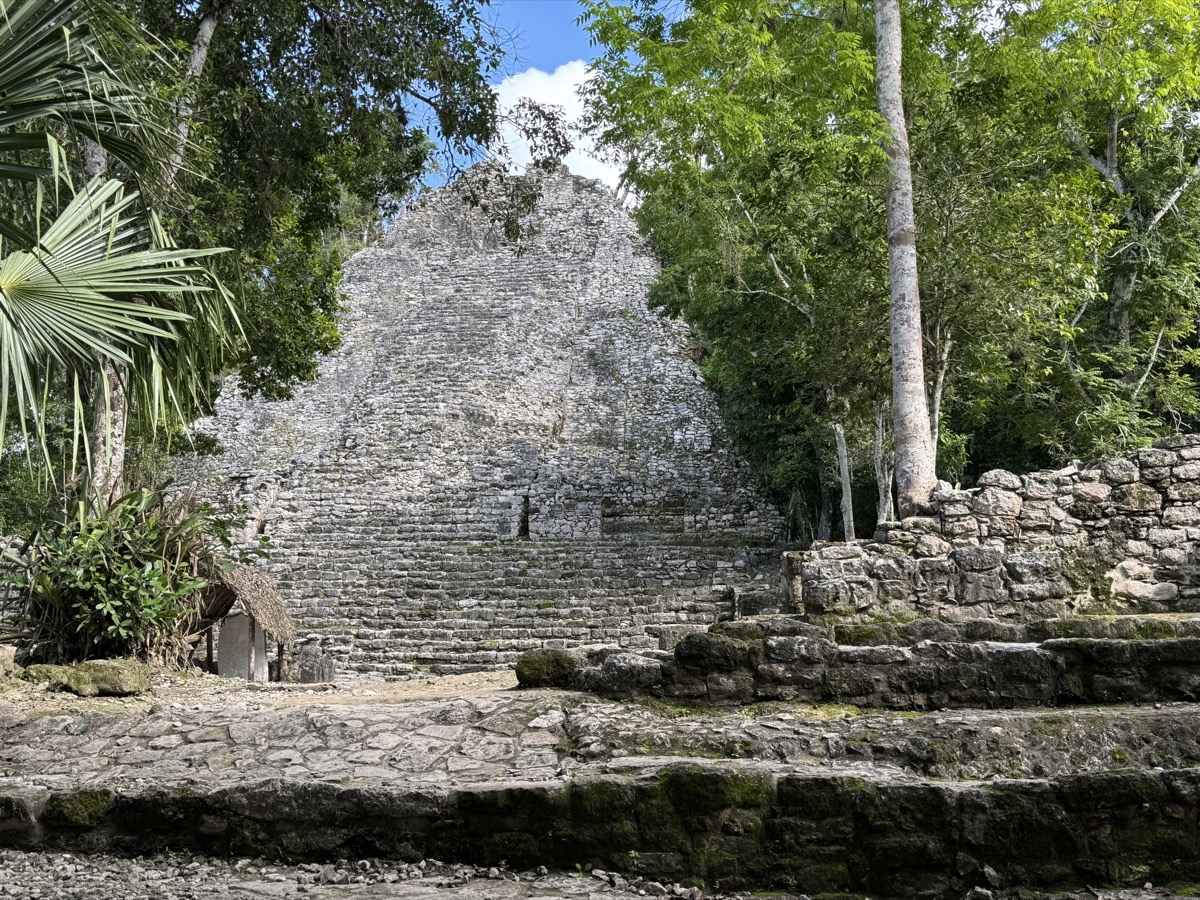
More Mayan ruins, this time in Coba. We took Oriente bus from ADO terminal. Upon arrival at the archeological park, we were approached by many people offering services (guides, bike rentals, bike “taxis”) frequently, but not overwhelming like in many other tourist destinations. Coba was reminiscent of other Mayan sites we visited in Guatemala and Belize. Easy walking on old Mayan roads (stone causeways) shaded by trees between excavated/restored structures with many more unexcavated piles of stones hiding in the jungle. Coba was a large center with history going back two thousand years, great influence at its peak and competing with Chichen Itza. It was abandoned by mid 16th century. There are many reasonably preserved structures/pyramids to explore (climbing them is no longer permitted), but stelas are quite aged. Access to Nohoch Mul pyramid (tallest in Coba) was restricted by construction of new viewing platforms.

We took colectivo on the way back. We found the stop, but asked around about departure times with mixed results. One person knew the correct answer and we soon were back in Tulum. We each had 4 tacos for dinner at Taqueria Maya on Sagitario Oriente: tasty, with different ingredients and flavors.

Day 7.

Snorkeling at coral reef and swimming at Tulum beaches. We traveled by colectivo to Tulum ruins again (and later back), but this time we went straight to Playa Paraiso and all other beaches. Line to check point was very long, but at least we were ready without a trace of plastic in our backpacks. Joanna took 2-hour boat trip arranged on Pescadores beach to snorkel at two locations on coral reef: many fish species including large stingrays and many turtles. Plus an opportunity to see Tulum ruins from the sea. To visit the beaches, one has to either pay entrance fee (“tax”) like us or visit one of the beach clubs lining the shore (the boat trip was from one of them).

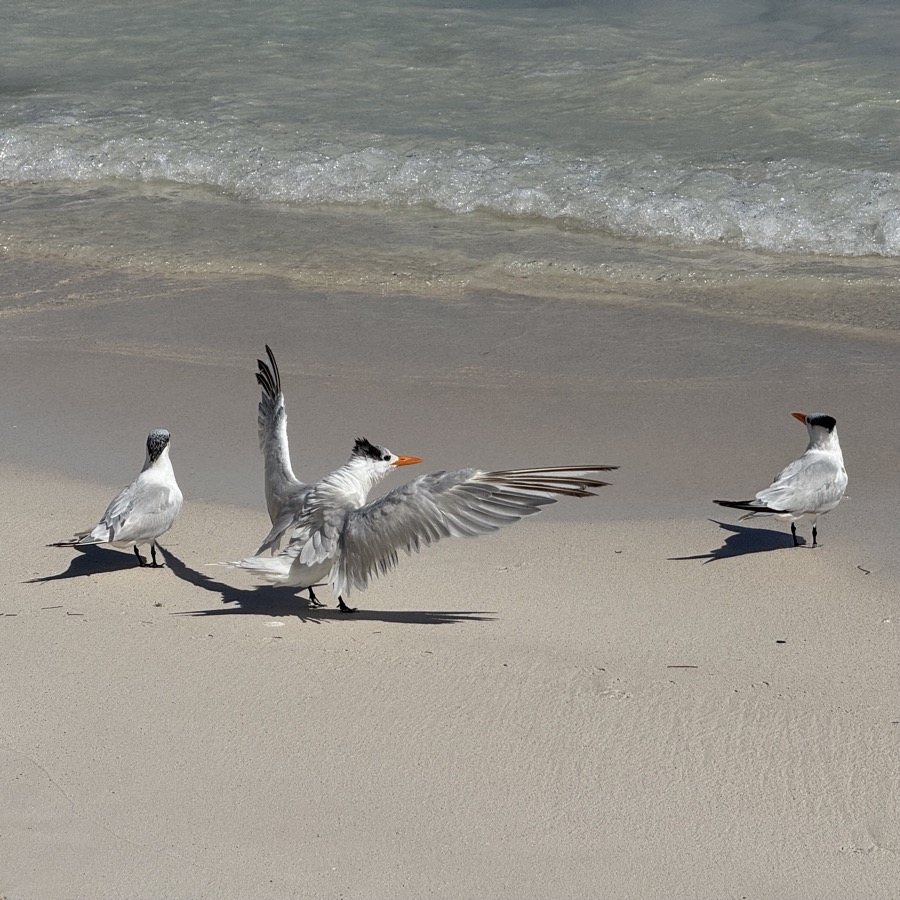
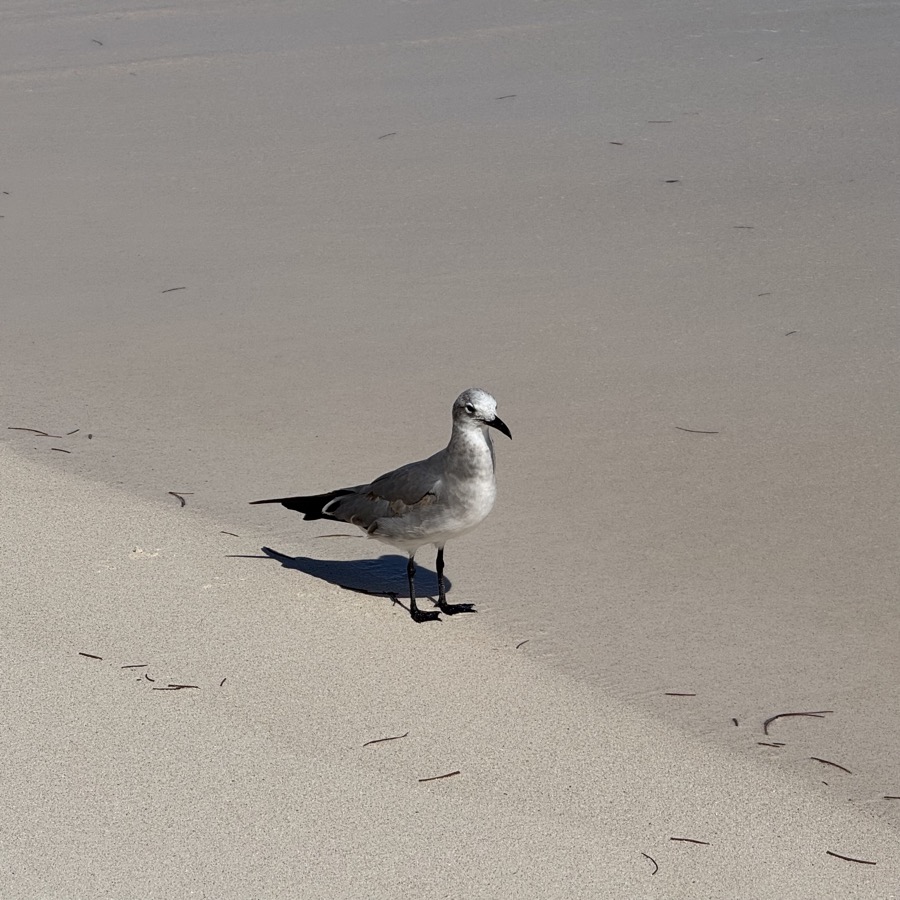
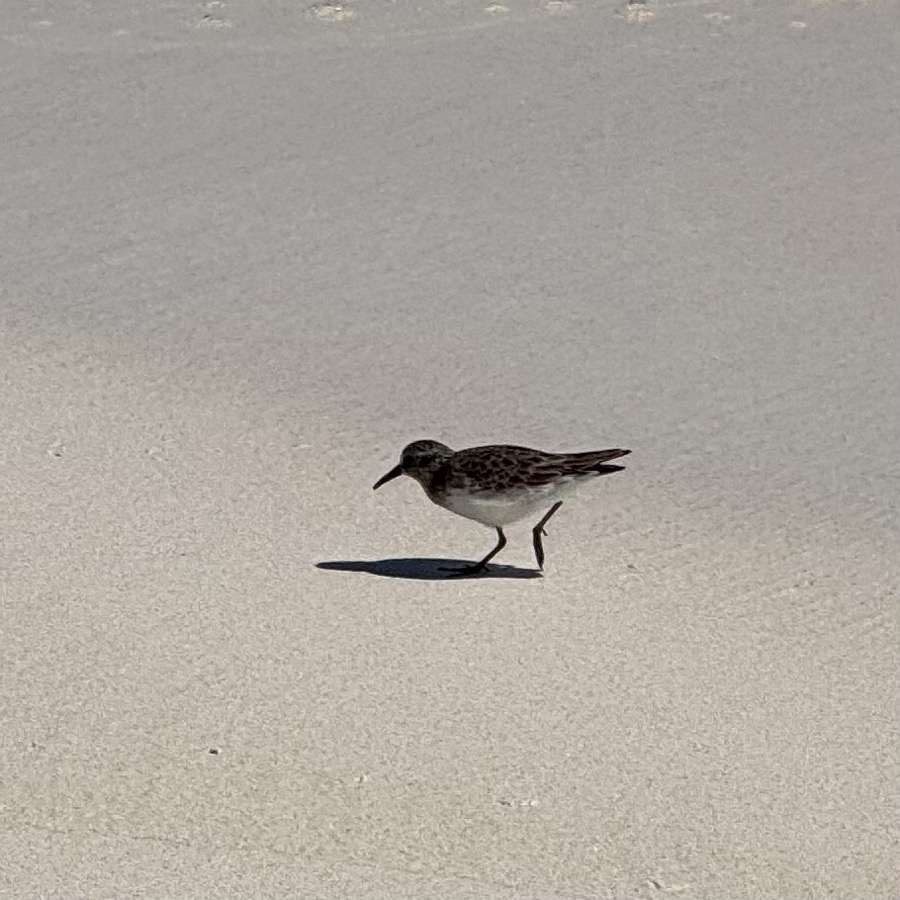
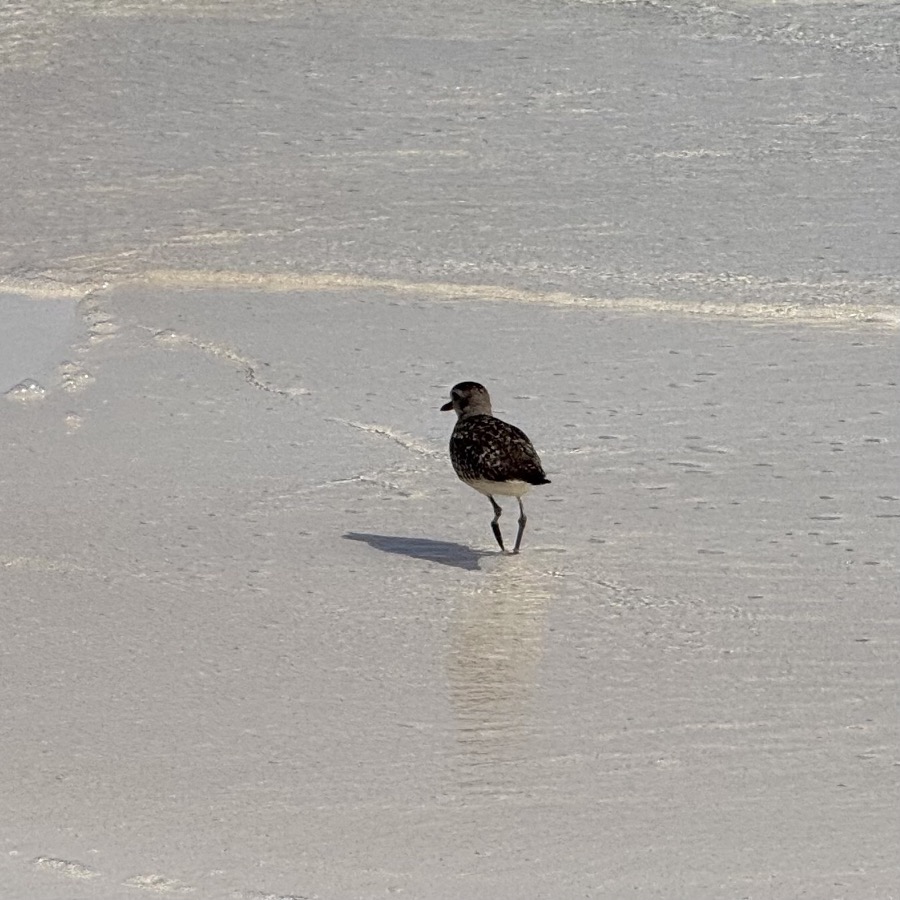
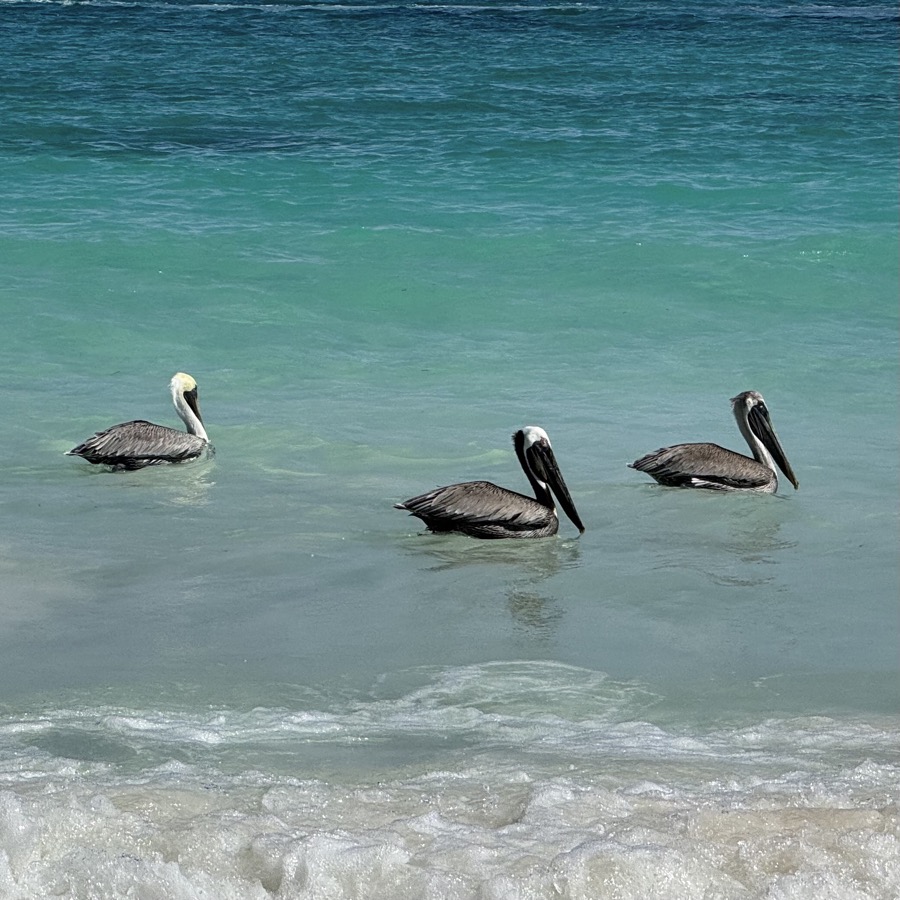
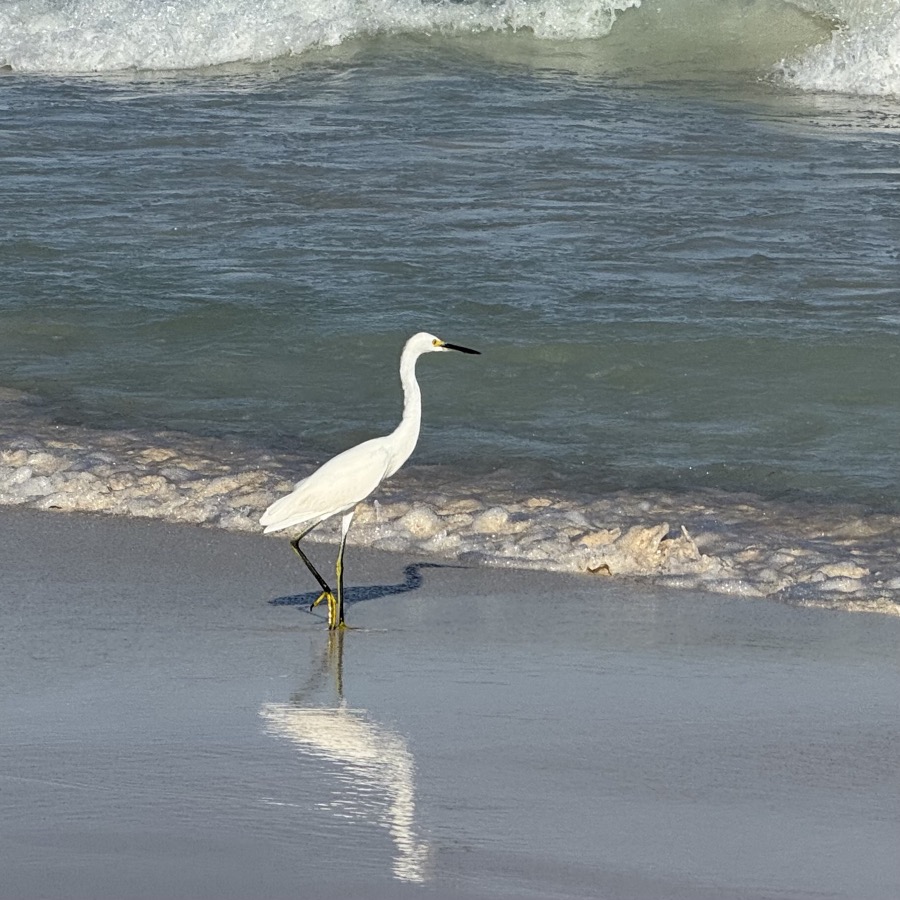
Piotr spent time relaxing, swimming and watching beach life. Documented 8 different bird species visiting that day.

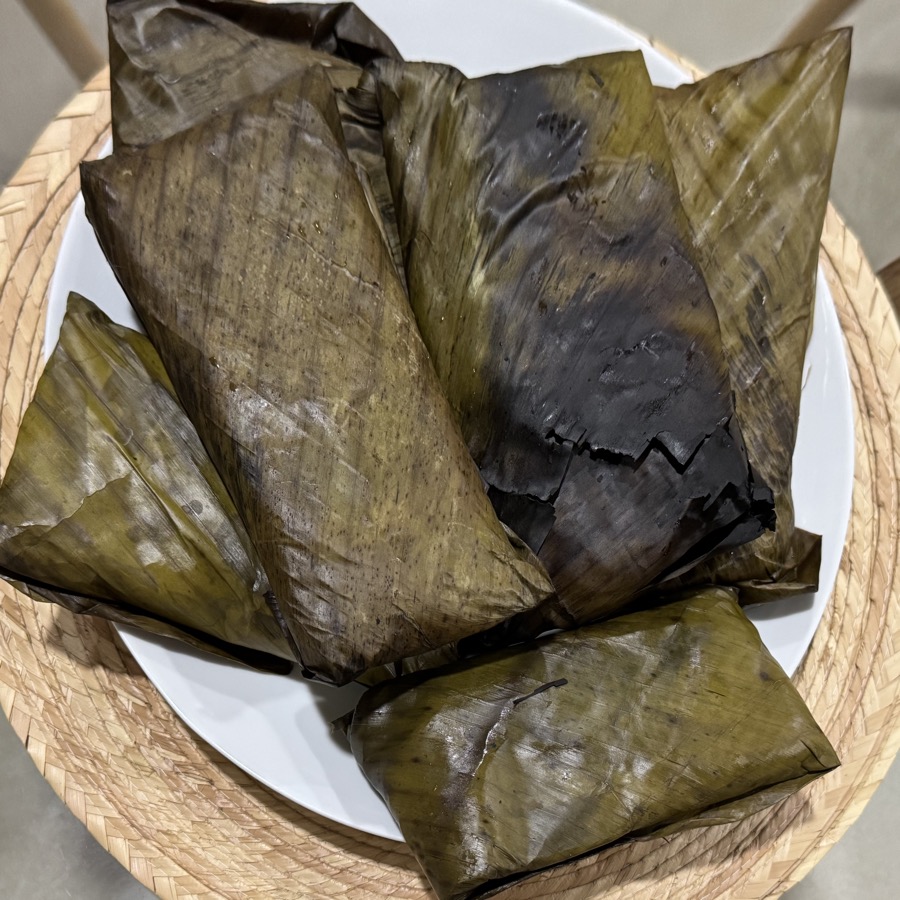
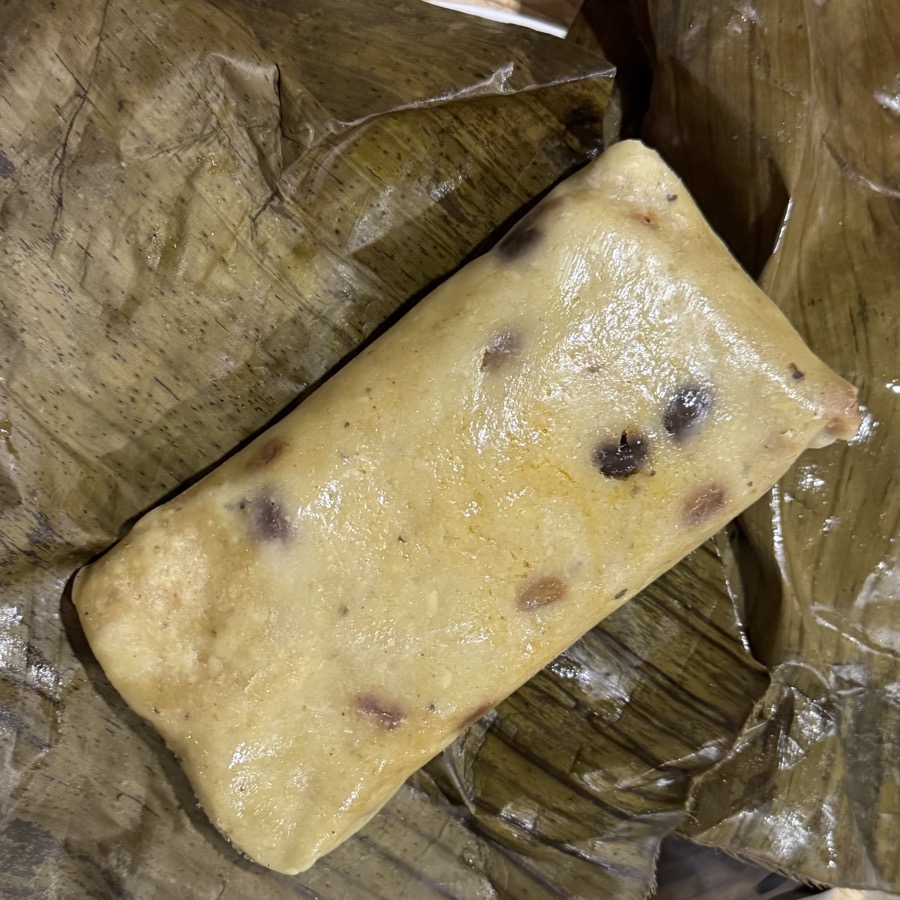
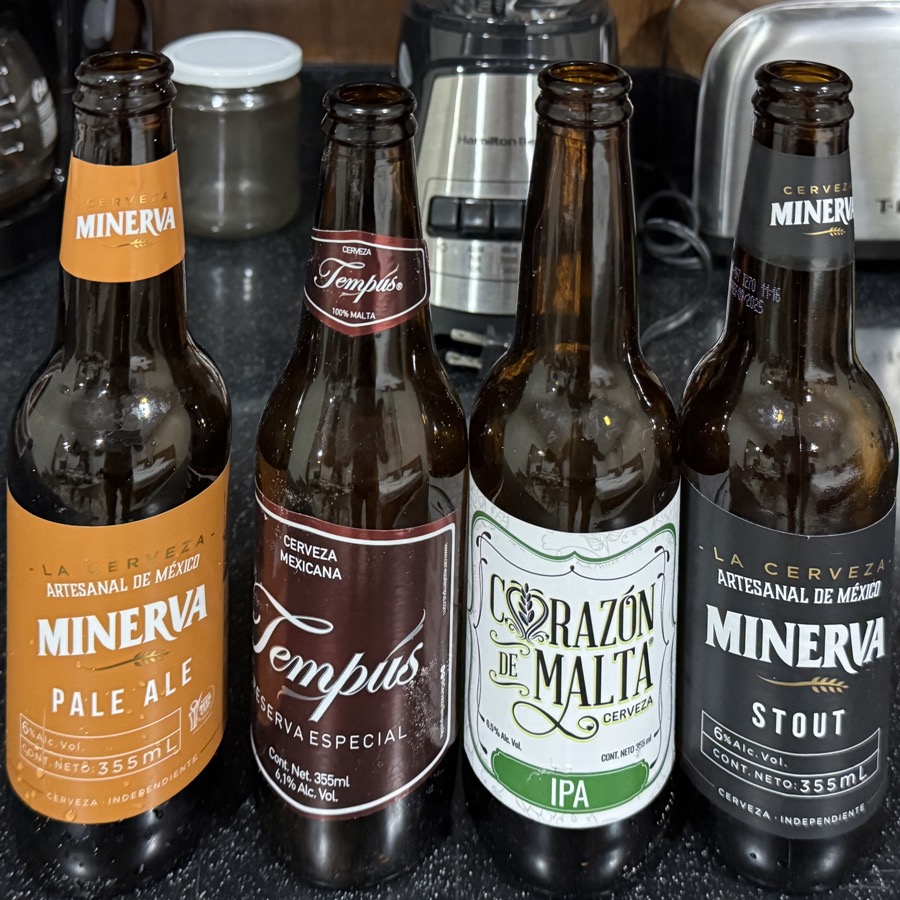
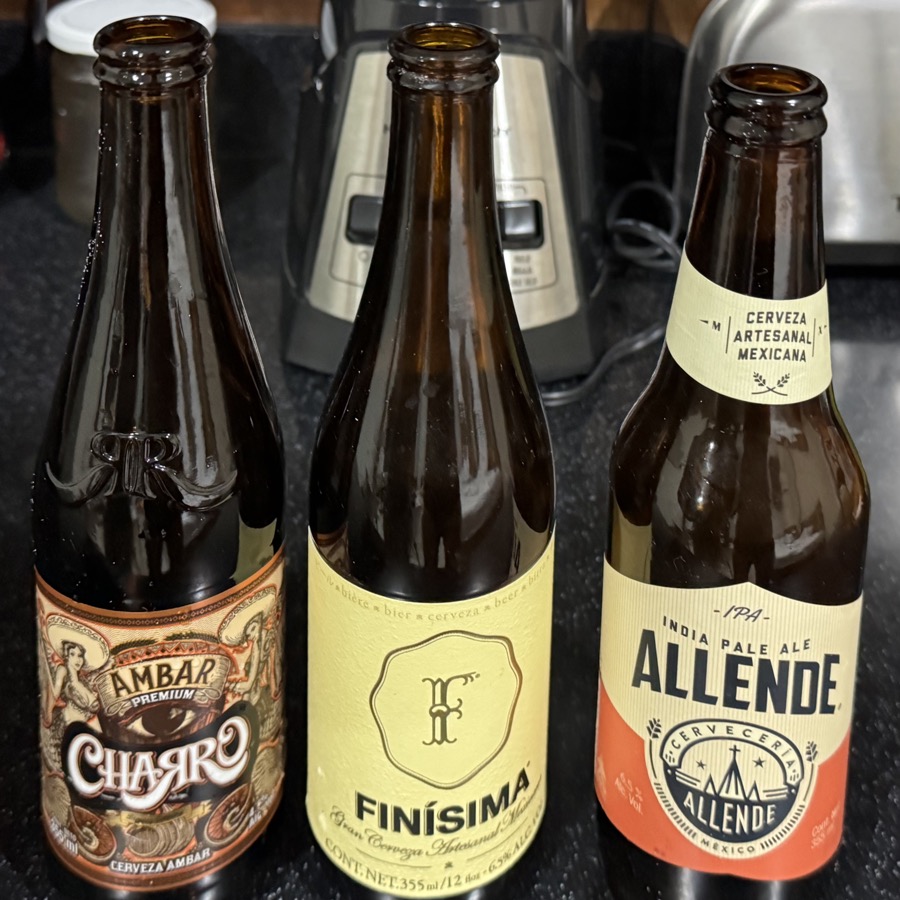
On the way home, we stopped at Tamales Don Taco on Centauro Norte (recommended) to pick-up dinner: 8 tamales in several different varieties (mostly chicken). We ate them in the evening with more bear preparing for the return trip next morning. The tamales were very large, fresh, tasty and with different flavors. Wrapped in real banana leaves. Throughout our visit we tried a dozen beers and left tequila/mescal tasting for next time.

We felt safe moving around Tulum and having good base (our apartment) to rest at the end of the day made the trip relaxed and comfortable. Our interactions with local people were friendly and helpful as we were trying to find our way around. Some chaos and sale attempts/tricks at touristy sites were not too surprising and did not affect us much. We liked traveling on colectivos, no-nonsense and inexpensive approach to quickly move people around. Buses were on time and efficient even though buying tickets at the terminal was unbelievably slow (better to buy on-line). Long-term weather forecasts were not reliable. We expected more rain, but we had great sunny or partially sunny days.

Last day was just travel: taxi to ADO bus terminal, bus to all new and modern Tulum (Felipe Carrillo Puerto) airport for flight back to Chicago. Everything on time and without problems.